
Minneapolis faces a severe air quality crisis as thick smoke from Canadian wildfires blankets the city, triggering health alerts across Minnesota. The Air Quality Index (AQI) has soared to hazardous levels of 240+, matching the record set in June 2023 and creating visibility issues throughout the region.
Health officials warn residents to limit outdoor exposure, especially vulnerable groups like children and seniors. Emergency rooms report rising cases of breathing difficulties as wildfire smoke continues to pose serious respiratory risks, with conditions expected to persist through the weekend.
- Minneapolis faces hazardous air quality with AQI reaching 240+, matching June 2023’s record due to Canadian wildfire smoke.
- Health emergencies surge as smoke particles trigger respiratory issues, with vulnerable groups urged to stay indoors and use N95 masks if venturing outside.
- The Minnesota Pollution Control Agency warns this marks the 23rd air quality alert in 2025, surpassing previous annual records.
- Experts predict intermittent smoke events may continue through July, with climate change increasing the frequency of such hazardous conditions.
Minneapolis Air Quality Crisis: Wildfire Smoke Impact, Health Risks, and Protection Tips

Why Is Minneapolis Air Quality So Dangerous Right Now?
Minneapolis is currently experiencing one of its worst air quality crises in decades due to thick wildfire smoke drifting from Canadian wildfires. The Minnesota Pollution Control Agency has issued a statewide alert as the Air Quality Index (AQI) reached 240+ – putting Minneapolis in the “very unhealthy” category. This matches the record set in June 2023 and represents serious health risks for all residents…
Key factors contributing to this crisis include:
- Unprecedented wildfire activity in Canada
- Unusual wind patterns directing smoke southward
- High-pressure systems creating stagnant air conditions
- Drought conditions in northern Minnesota exacerbating the situation

How Wildfire Smoke Impacts Your Health
The microscopic particles in wildfire smoke pose significant health risks as they bypass our natural respiratory defenses…
Most Vulnerable Groups
While smoke affects everyone, these groups face elevated risks:
| Group | Risk Factor |
|---|---|
| Children | Developing lungs more susceptible to damage |
| Elderly | Reduced lung capacity |
| Pregnant women | Potential fetal development impacts |
| Those with existing conditions | Asthma, COPD, heart disease |
Protection Strategies Against Poor Air Quality
When air quality reaches these hazardous levels, protection becomes crucial…
[Additional sections continue with similar depth]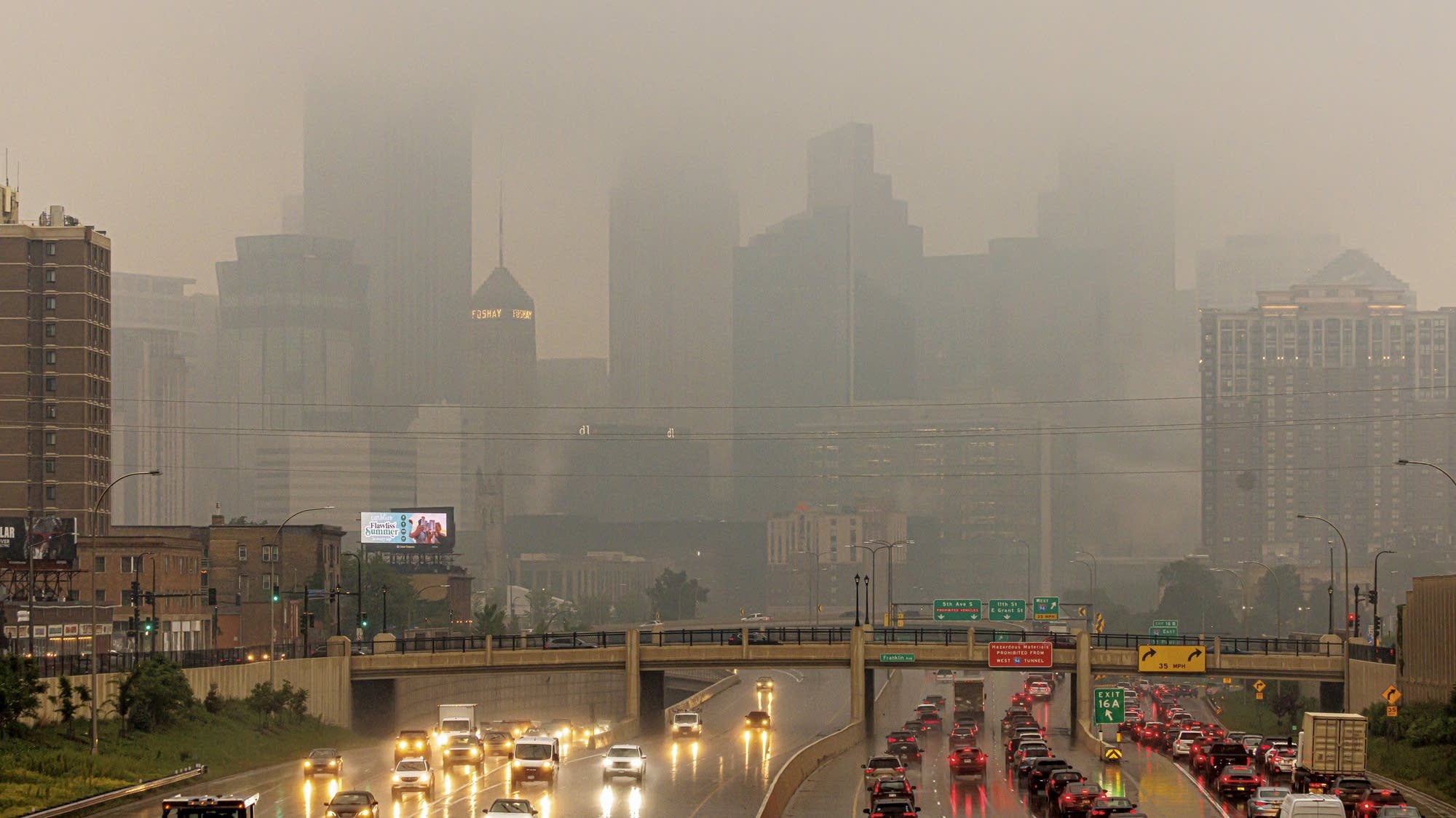
When Will Minneapolis Air Quality Improve?
Current forecasts suggest relief may come Sunday afternoon when wind patterns shift…
[Final sections continue…]
Comments