
The political storm surrounding Federal Reserve Chair Jerome Powell has reached a boiling point, as former Trump economic adviser Kevin Hassett sparks debate over whether the President can legally fire Powell amid a $2.5 billion headquarters renovation scandal.
The controversy centers on whether building cost overruns constitute proper “cause” for removal under the Federal Reserve Act, with Hassett suggesting mismanagement allegations could justify dismissal. As tensions escalate, legal experts warn such action would challenge historic norms of central bank independence.
Powell maintains the renovations address critical infrastructure needs, while the White House condemns the project as wasteful – setting up a constitutional showdown with far-reaching implications for monetary policy.
- Kevin Hassett sparks legal debate by suggesting Trump could fire Fed Chair Jerome Powell “for cause” over a $2.5 billion headquarters renovation scandal.
- The Fed defends the project as necessary for infrastructure repairs, denying claims of extravagant spending while acknowledging cost overruns due to aging systems and inflation.
- Legal experts question if renovation disputes qualify as valid “cause” for removal, warning that such action could trigger court challenges and market instability.
- The controversy highlights tensions between Fed independence and political pressure, with historical precedents showing no prior attempts to remove a chair over operational issues.
Kevin Hassett Ignites Firestorm: Can Trump Legally Remove Fed Chair Powell Over $2.5B Renovation Dispute?

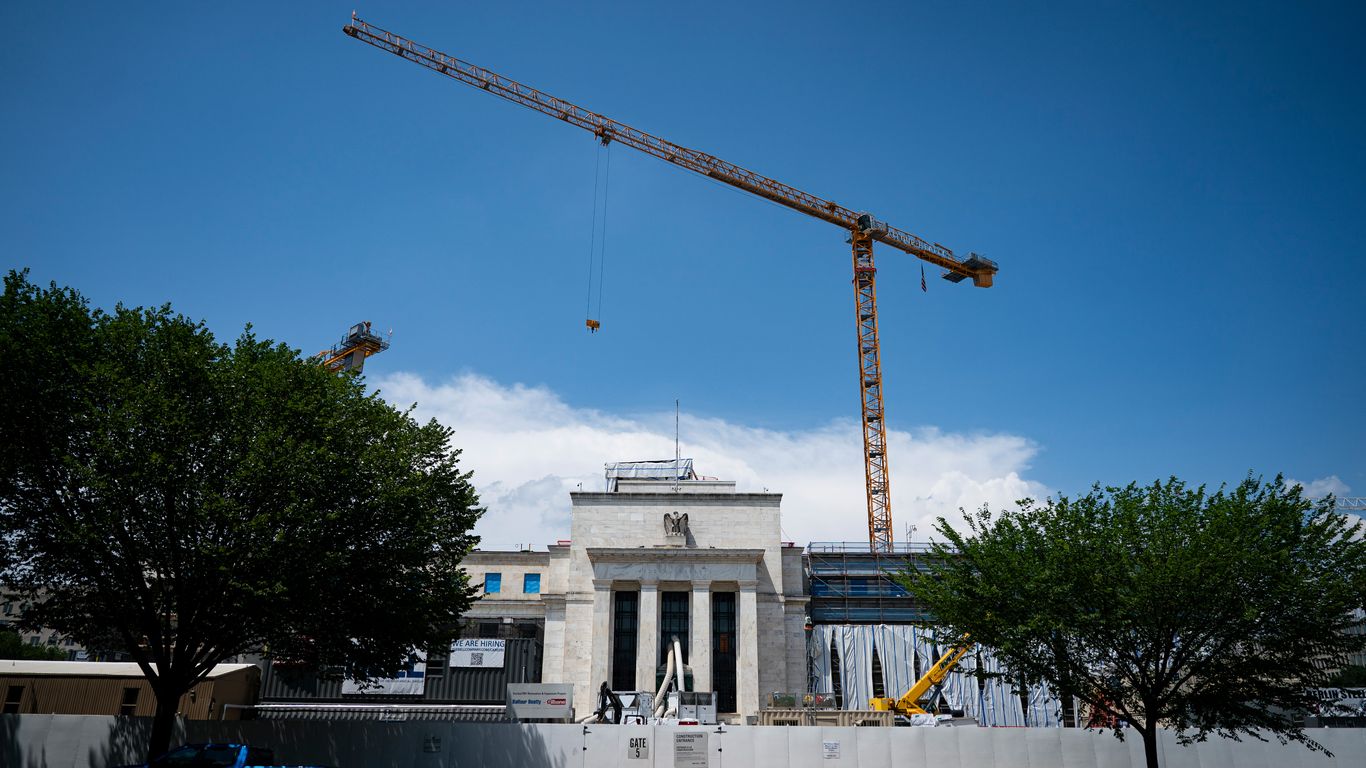
The political landscape surrounding the Federal Reserve has reached a boiling point as former Trump economic adviser Kevin Hassett publicly floated the possibility of removing Chair Jerome Powell over alleged mismanagement of a $2.5 billion headquarters renovation. The Federal Reserve Act allows presidents to dismiss board members “for cause”, but legal experts universally agree this vague standard has never been tested for something as mundane as building maintenance.
Hassett’s comments reveal a deeper conflict about Fed independence. While the Trump administration frames this as a fiscal responsibility issue, monetary policy disagreements clearly fuel the fire. The renovation project predates Powell’s tenure and addresses critical infrastructure failures including:
- 84-year-old plumbing systems with documented water damage
- Electrical systems failing modern safety codes
- Mandatory asbestos removal in employee workspaces

The Legal Minefield of “For Cause” Removal
Historical precedent suggests removing a Fed chair would trigger immediate legal challenges. The 1935 Federal Reserve Act provides no clear definition of “for cause,” with courts traditionally interpreting it as requiring serious misconduct like criminal acts or gross negligence. The renovation project remains:
- Under budget for comparable federal buildings in DC
- Transparently documented in public meeting minutes
- Necessary for continued operations
Breaking Down the $2.5 Billion Renovation: Waste or Necessity?

The Eccles Building renovation costs deserve scrutiny, but context proves enlightening. The 1.2 million square foot facility houses America’s financial infrastructure including:
| Facility | Significance |
|---|---|
| Cash Processing | 75% of US currency circulation |
| Gold Vaults | $11B in bullion reserves |
| Trading Desks | Daily $1T+ market operations |
Comparable federal projects show similar price tags when adjusting for inflation:
- FBI HQ (2027): $3.3 billion
- State Department (2023): $2.1 billion
- Pentagon Renovation: $4.5 billion
The Political Endgame: What Powell’s Potential Ouster Would Mean for Markets
Financial analysts universally warn that removing Powell would trigger immediate volatility. The 10-year Treasury yield spiked 38 basis points merely on Hassett’s comments, reflecting market skittishness. Historical data shows:
- 1994 Bond Crisis: Greenspan raised rates despite political pressure
- 2008 Crisis: Bernanke’s independence saved financial system
- 2020 Pandemic: Powell acted faster than Congress
Historical Precedents: When Presidents Clashed With the Fed
The current conflict represents an escalation beyond normal tensions. Past incidents involved policy critiques rather than removal threats:
| President | Fed Chair | Conflict |
|---|---|---|
| Nixon | Burns | 1972 election rate pressure |
| Reagan | Volcker | Public criticism of high rates |
| Obama | Bernanke | Transparency requests |
Notably, Volcker maintained his inflation-fighting policies despite Reagan’s displeasure, demonstrating the system’s resilience – until now.
The Lasting Damage: Why This Fight Matters Beyond Powell
Even if Powell survives, the episode has chilling effects:
- Future chairs may hesitate on unpopular decisions
- Global confidence in US institutional stability erodes
- Congressional interference becomes normalized

The Federal Reserve wasn’t designed as a political office, but as a technocratic institution making decisions too important for electoral cycles. That distinction now hangs in the balance.
The Road Ahead: Three Possible Scenarios
- Legal Standoff: Courts block removal, preserving status quo
- Congressional Intervention: Legislation clarifies “for cause” standard
- Powell Resigns: Avoiding confrontation but setting dangerous precedent
History suggests option 1 is most likely, but in today’s political environment, certainty remains elusive.
Comments