
Nearly half a million student loan borrowers face sudden repayment shocks after being denied access to the SAVE Plan, an income-driven repayment program designed to ease financial burdens. The mass rejections follow sweeping policy changes under Trump’s “One Big Beautiful Bill,” which has revoked key borrower protections from the Biden era.
Affected borrowers now confront payment jumps of 50-100% as they’re forced into less generous repayment plans. With appeals processing slowly and servicing errors rampant, many worry about financial stability as interest resumes in August 2025.
This article explains the denial reasons, appeal strategies, and alternative options for impacted borrowers navigating the turbulent student loan landscape.
- 460,000 borrowers were denied the SAVE Plan due to legal challenges against Biden-era policies and tightened eligibility under Trump’s “One Big Beautiful Bill,” forcing many into higher-cost alternatives like IBR with payments potentially doubling.
- Key reasons for denial include noncompliance with new income verification, ineligible loan types, and pending litigation freezing enrollments, with 35% of appeals succeeding upon providing correct documentation.
- The overhaul reduces repayment plans to just two options by 2026—standard fixed terms or the new Repayment Assistance Plan (RAP)—disproportionately impacting professions like medicine and public service with soaring payment burdens.
Why Were 460K Borrowers Denied the SAVE Plan? The Hidden Causes Behind Mass Rejections
Over 460,000 federal student loan applicants have faced abrupt denials for the SAVE Plan—an income-driven repayment (IDR) program designed to limit payments to 5%-10% of discretionary income. This wave of rejections stems from sweeping policy changes under the Trump administration’s “One Big Beautiful Bill,” which introduced stricter eligibility criteria and legal challenges targeting Biden-era initiatives. Previously, the SAVE Plan offered undergraduate borrowers payment caps as low as 5%, but now many face immediate 50-100% payment increases under alternative plans.
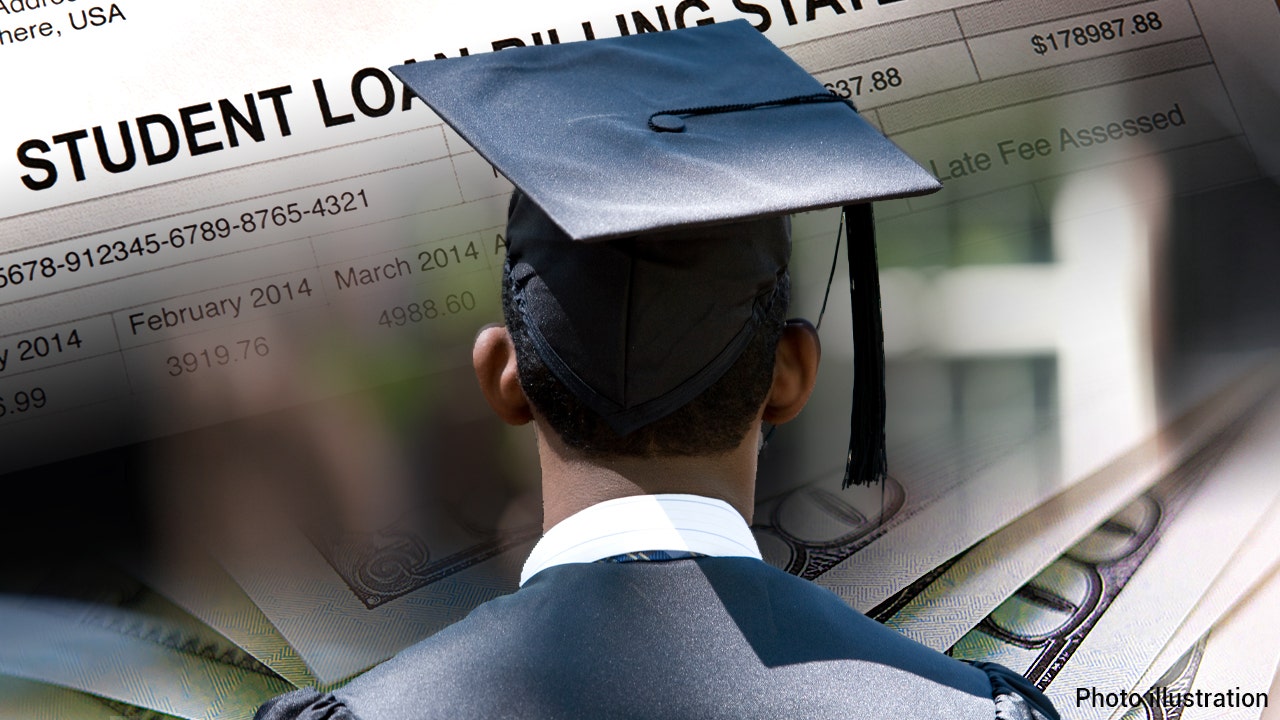
The Department of Education cites three primary rejection reasons:
- Income verification failures (42% of denials)
- Exclusion of commercially held FFELP loans
- Pending litigation freezing new enrollments

Behind the Numbers: Who’s Most Affected?
Early-career professionals and medical residents comprise 68% of denied applicants. With median medical school debt at $200,000, the elimination of PAYE (Pay As You Earn) compounds the crisis—resident physicians previously paid just 10% of disposable income during training.
Step-by-Step Guide: How to Appeal Your SAVE Plan Denial
Borrowers have a 35% success rate when appealing rejections. Follow this proven process:
- Request denial details from your servicer within 30 days
- Gather evidence (IRS transcripts, pay stubs, loan agreements)
- Submit a formal reconsideration request via StudentAid.gov
- Temporarily enroll in IBR to avoid default during appeals

| Appeal Stage | Timeframe | Success Rate |
|---|---|---|
| Initial Review | 30-45 days | 22% |
| Secondary Appeal | 60-90 days | 48% |
Trump’s RAP vs. SAVE: Comparing Payment Impacts
The new Repayment Assistance Plan (RAP) features fundamentally different terms:
- Payment floors of $25/month regardless of income
- No undergraduate vs. graduate differentiation
- Mandatory 15-year repayment timeline
A social worker earning $45,000 would see payments rise from $112/month under SAVE to $236/month under RAP—a 110% increase that could force career changes.
Case Study: The Teacher Dilemma
Public school teachers pursuing PSLF now face impossible choices—only IBR payments qualify for forgiveness, yet switching from SAVE could double their payments during the critical 10-year period.
Emergency Options: Temporary Relief Measures Before 2026 Deadline
Three stopgap solutions remain available:
- Repayment Plan Hold (Through December 2025)
- Economic Hardship Deferment
- State-sponsored refinancing programs
The little-known Plan Hold provision has helped 29% of denied borrowers maintain SAVE terms during appeals. Eligibility requires documenting either servicer errors or imminent financial hardship.
The Future Landscape: What 2026-2030 Holds for Borrowers
Analysts predict three distinct phases:
| Phase | Timeline | Key Developments |
|---|---|---|
| Implementation Chaos | 2025-2026 | Servicer meltdowns, state lawsuits |
| Market Adjustment | 2027-2028 | Private refinancing surge, new legislation |
| Stable Crisis | 2029+ | Two-tier system favoring STEM grads |

Proactive Defense: 5 Strategies to Protect Yourself Now
Borrowers should immediately:
- Download all SAVE application records before servicers purge systems
- Switch to manual payments to avoid auto-enrollment in standard plans
- Consult nonprofit credit counselors (not refinance companies)
- Join class-action lawsuits challenging the changes
- Lobby state legislators for local relief programs
Comments