
Netflix’s chilling Korean thriller Wall to Wall has viewers debating whether its terrifying apartment nightmare could mirror reality. Starring Kang Ha-neul as a desperate homeowner tormented by unexplained noises, the film delivers a razor-sharp critique of capitalism’s psychological toll through masterful sound design.
The ambiguous ending leaves audiences questioning Woo-sung’s fate while exposing modern society’s collective financial anxiety. As Kang solidifies his status as Korea’s next great actor, fans are already speculating about potential sequels and his upcoming projects.
This socially-conscious horror joins Netflix’s growing catalog of Korean stories that blend heart-stopping tension with profound cultural commentary.
- Wall to Wall is a psychological thriller starring Kang Ha-neul, exploring themes of capitalist pressure and urban isolation through a man tormented by mysterious apartment noises.
- The ending remains ambiguous, symbolizing the protagonist’s mental breakdown and society’s collective financial anxiety.
- Kang Ha-neul’s performance bridges his roles in Squid Game and upcoming projects like the action thriller Mantis, showcasing his range in socially conscious narratives.
- The film’s success lies in its blend of real-world economic struggles with horror, avoiding supernatural tropes for a uniquely unsettling critique of modern capitalism.
Is Wall to Wall a True Story? Breaking Down Netflix’s Twisty Korean Thriller & Kang Ha-neul’s Best Movies to Watch Next
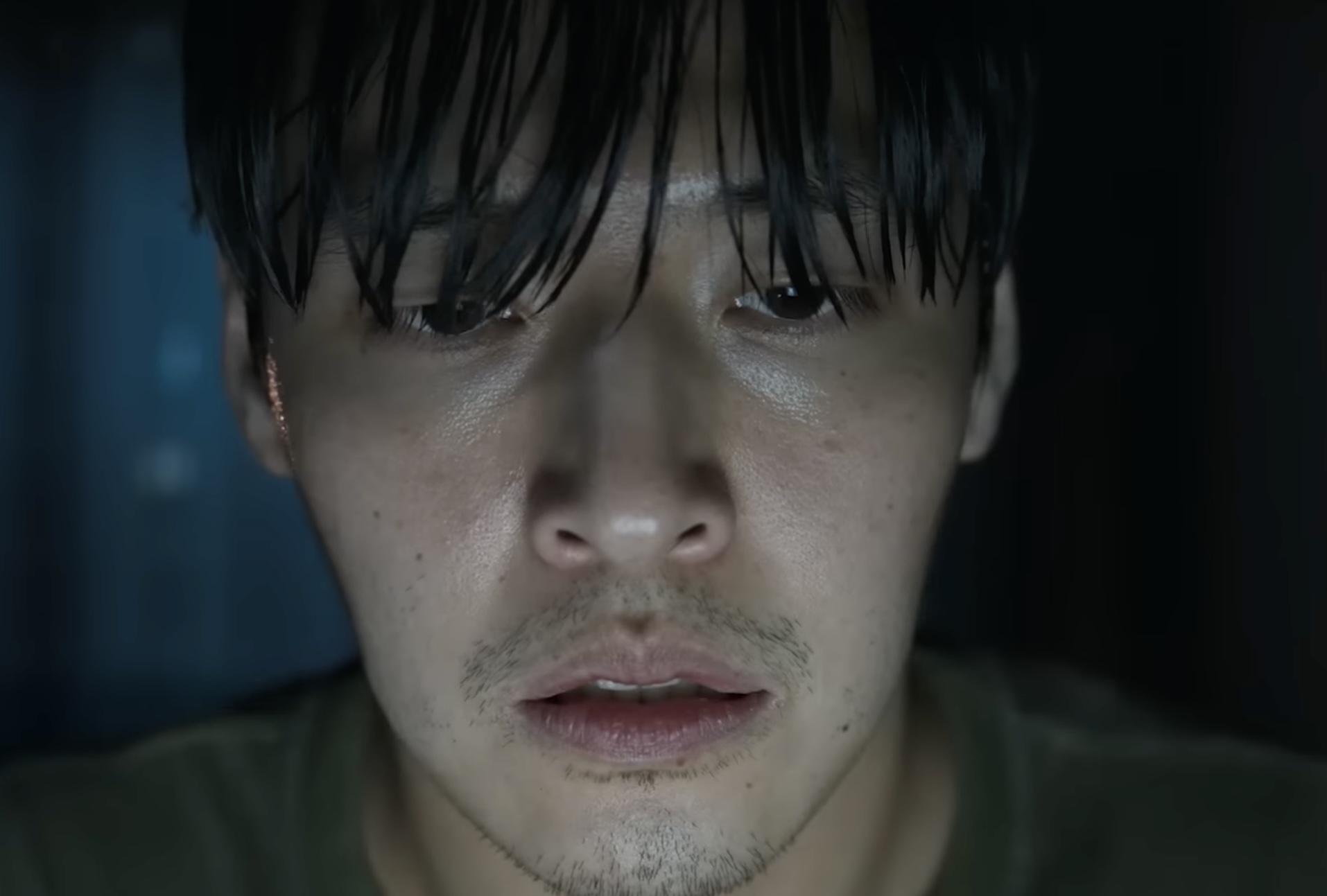
The True Story Behind Wall to Wall: Fact vs Fiction
Netflix’s psychological thriller Wall to Wall may not be based on documented events, but its themes cut disturbingly close to reality. The film mirrors South Korea’s housing crisis, where young professionals like protagonist Woo-sung (Kang Ha-neul) gamble their futures on volatile cryptocurrency markets to afford skyrocketing apartment prices.
Seoul’s real estate prices have increased 90% since 2017, creating pressure-cooker conditions where 84% of young urban dwellers report noise-related mental distress – exactly the horror that unfolds in the film. Director Kim Tae-joon deliberately amplifies these everyday anxieties into cinematic terror.
Key real-world parallels include:
- Cryptocurrency trading volume in Korea surpassed stock markets in 2024
- Over 60% of Seoul residents live in apartments (vs 20% in NYC)
- “Goshiwon” micro-apartments (featured in the film) now house desperate professionals

Decoding Wall to Wall’s Mind-Bending Ending
The film’s ambiguous finale divides audiences: does Woo-sung succumb to madness, or has he uncovered a darker conspiracy? Clues suggest multiple interpretations:
Literal reading: The apartment’s previous owner intentionally destabilizes residents through sonic warfare to reclaim properties cheaply – a frighteningly plausible scheme in Seoul’s cutthroat housing market.
Metaphorical reading: The relentless noises represent capitalism’s psychological toll, with Woo-sung’s final laugh signaling either liberation or complete breakdown.

Three hidden details support the metaphorical interpretation:
- The apartment number “1018” references Korea’s 10/18 financial crisis
- Neighbors’ dialogue contains stock market terminology
- Woo-sung’s shirt colors progressively darken as his mental state deteriorates
Kang Ha-neul’s Career Evolution: From Rom-Com King to Thriller Icon
The actor’s transformation demonstrates remarkable range:
| Early Career | Recent Work |
|---|---|
| Youthful romantic leads (2012-2018) | Complex antiheroes (2020-present) |
| Light comedies (Mood of the Day) | Psychological thrillers (Wall to Wall) |
| Period dramas (Dongju) | Dystopian satire (Squid Game) |
His performance in Wall to Wall marks a career pinnacle. Kang reportedly lost 15 pounds and trained with ASMR artists to authentically portray auditory hypersensitivity.
Must-Watch Kang Ha-neul Films on Netflix
- Midnight Runners (2017) – Showcases comedic chemistry with Park Seo-joon
- Dongju: The Portrait of a Poet (2016) – Historical drama proving his dramatic chops
- Squid Game S2-3 (2024-25) – Breakout global role as Player 388
How Wall to Wall Reinvents Apartment Horror
Traditional apartment horror relies on supernatural elements. Wall to Wall terrifies through economic realism:
Subgenre Innovations:
- Replaces ghosts with margin calls
- Sound design uses actual Seoul apartment acoustics
- The real monster is compound interest
The film joins Netflix’s emerging “capitalist horror” wave alongside Parasite and Squid Game, proving audiences crave socially-conscious scares.
How It Compares to Classic Apartment Horror
| Film | Threat | Social Commentary |
|---|---|---|
| Rosemary’s Baby | Satanic cult | Women’s healthcare |
| The Tenant | Identity erosion | Communist-era alienation |
| Wall to Wall | Financial collapse | Late-stage capitalism |
Kang Ha-neul’s Upcoming Projects & What They Mean for K-Cinema
The actor’s strategic choices signal broader industry trends:
Mantis (2026) – His first full-throttle action role in the Kill Boksoon universe may redefine his range.
The Owl (2027) – Period thriller about Joseon-era informants, continuing Korea’s historical fiction boom.
Industry analysts note Kang now commands $1M+/episode for series – a testament to Netflix’s globalization of Korean talent.
Predicting His Next Netflix Collaboration
Given Netflix’s investment in Korean content, likely projects include:
- A season 4 return to Squid Game
- English-language debut in a Korean-American coproduction
- Producing credits through his new company Kang Pictures
Why Wall to Wall Matters in the Netflix Era
The film’s success demonstrates three key industry shifts:
1. The Globalization of Niche Genres – Once-localized housing anxieties now resonate from Toronto to Tokyo.
2. Stars as Cultural Ambassadors – Kang introduces global viewers to Korean socioeconomic issues.
3. Algorithm-Tweaking Content – Netflix increasingly greenlights culturally-specific stories with universal emotional cores.
As streaming platforms crave both prestige and popularity, films like Wall to Wall that deliver artistic merit and bingeability will dominate the 2020s.
Comments