
The 2025 Fantastic Four Marvel movie has arrived, promising a cosmic spectacle unlike anything seen before in the MCU. Early reactions hail Galactus as a terrifyingly grand villain, with Ralph Ineson’s portrayal earning praise for its ominous depth and visual scale.
Pedro Pascal leads a stellar cast, bringing fresh gravitas to Reed Richards, while Julia Garner’s Silver Surfer adds chilling tension. The retro-futuristic 1960s aesthetic and jaw-dropping power visuals set this film apart—it’s not just a superhero story, but a universe-defining event.
- Galactus emerges as a cosmic-level threat in the 2025 Fantastic Four movie, praised for his portrayal as an “inevitable force of nature” rather than a conventional villain.
- Pedro Pascal’s Reed Richards is highlighted as a morally complex leader, with scenes teasing his role as the MCU’s new intellectual anchor post-Tony Stark.
- The film’s retro-futuristic 1960s aesthetic polarizes audiences but effectively mirrors Jack Kirby’s original comic era, while subtly addressing period-specific social issues like sexism in STEM.
- Post-credits scenes hint at Galactus’s larger role in the Multiverse Saga and introduce a key X-Men character, setting up future MCU phases.
Fantastic Four Marvel Movie 2025: Is Galactus the Best Villain Yet?
The 2025 Fantastic Four Marvel movie introduces Galactus as its primary antagonist, portrayed by Ralph Ineson. Early reactions describe his performance as “cosmically terrifying,” with critics praising both his visual grandeur and ominous presence. Unlike typical MCU villains who rely on physical domination, Galactus represents an inevitable cosmic phenomenon—a concept that adds philosophical depth to the conflict. This aligns perfectly with his comic book roots, where he symbolizes nature’s indifference.
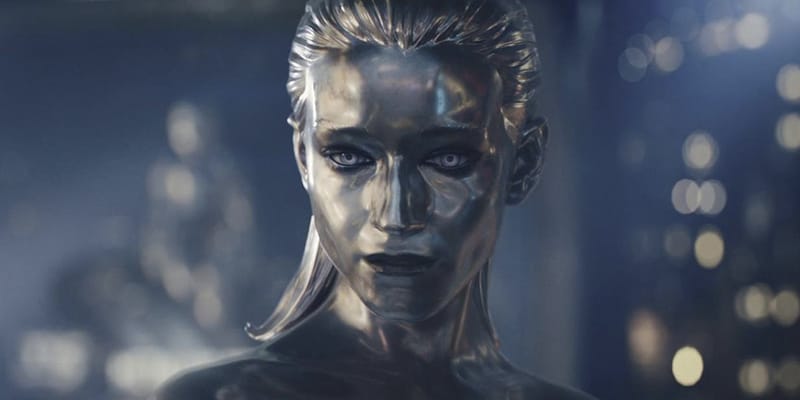
What sets Galactus apart from previous MCU antagonists like Thanos is his role as a force of nature rather than a traditional villain. The Silver Surfer (Julia Garner) serves as his herald, delivering warnings that escalate tension while providing emotional nuance to the celestial threat. Director Matt Shakman’s decision to frame Galactus through a retro-futuristic 1960s lens enhances his otherworldly menace, creating striking visuals that pay homage to Jack Kirby’s original designs.

How Does Galactus Compare to Thanos?
While Thanos dominated through sheer physical power and strategic genius, Galactus threatens existence itself as an impersonal cosmic event. This fundamental difference in threat level allows the Fantastic Four to showcase their problem-solving skills rather than merely engaging in brute-force battles. The film’s cosmic visuals—particularly Galactus’ planet-sized form—represent some of the MCU’s most ambitious CGI to date.
Pedro Pascal as Reed Richards: A New MCU Anchor
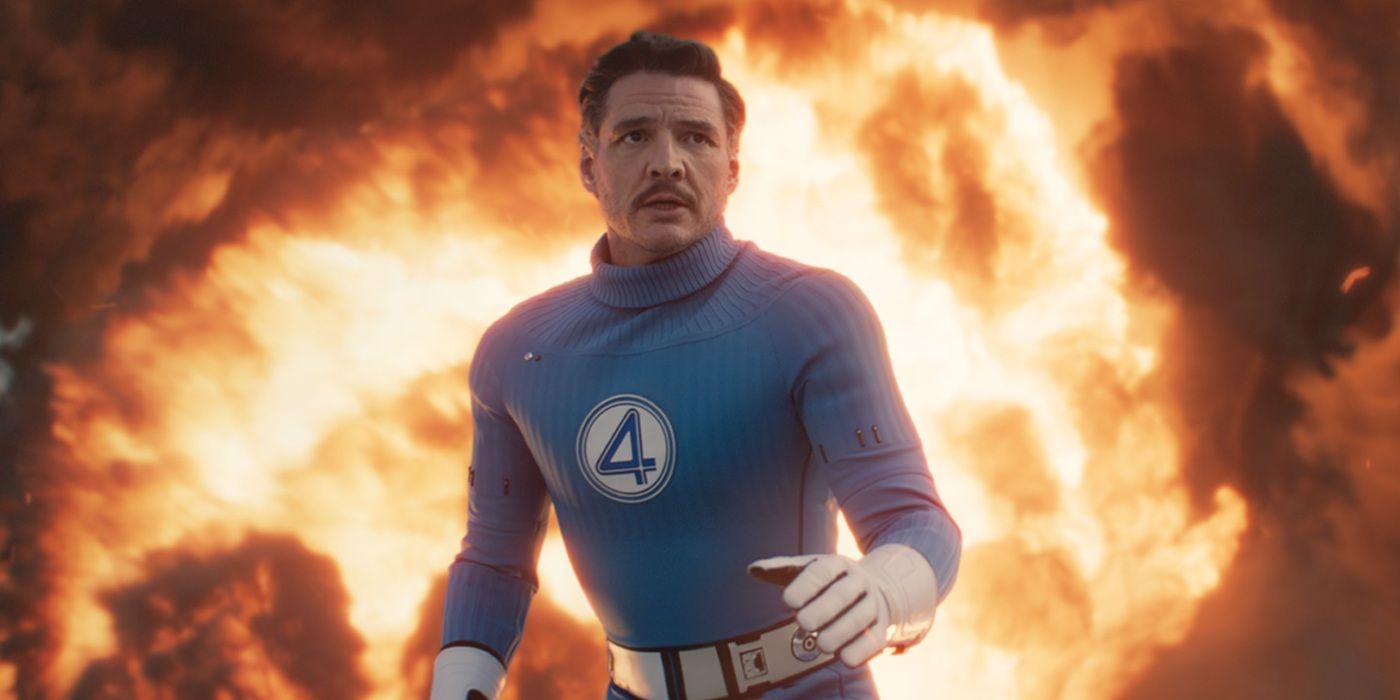
Pedro Pascal’s portrayal of Mister Fantastic introduces a Reed Richards markedly different from previous incarnations. While Ioan Gruffudd played him as earnest and Miles Teller as rebellious, Pascal delivers a nuanced performance that balances genius intellect with emotional vulnerability. His Reed faces moral dilemmas reminiscent of Tony Stark’s toughest moments, particularly when debating whether to sacrifice humanity’s safety for cosmic knowledge.
The character’s stretch powers receive their most visually impressive treatment yet, with seamless CGI that avoids past adaptations’ rubbery effects. Pascal’s chemistry with Vanessa Kirby’s Sue Storm creates the MCU’s most convincing superpowered couple, rooted in mutual respect and intellectual equality. Their relationship dynamic offers a refreshing contrast to other Marvel pairings.
The Science Future of the MCU
The film positions Richards to inherit Tony Stark’s role as the MCU’s preeminent scientific mind. Clever cameos from Shuri and Bruce Banner establish connective tissue with existing heroes, while post-credit scenes tease Richards’ involvement with Ultron technology and upcoming crossover events. This strategic world-building demonstrates Marvel Studios’ long-term planning.
The Best Fantastic Four Team Dynamics To Date
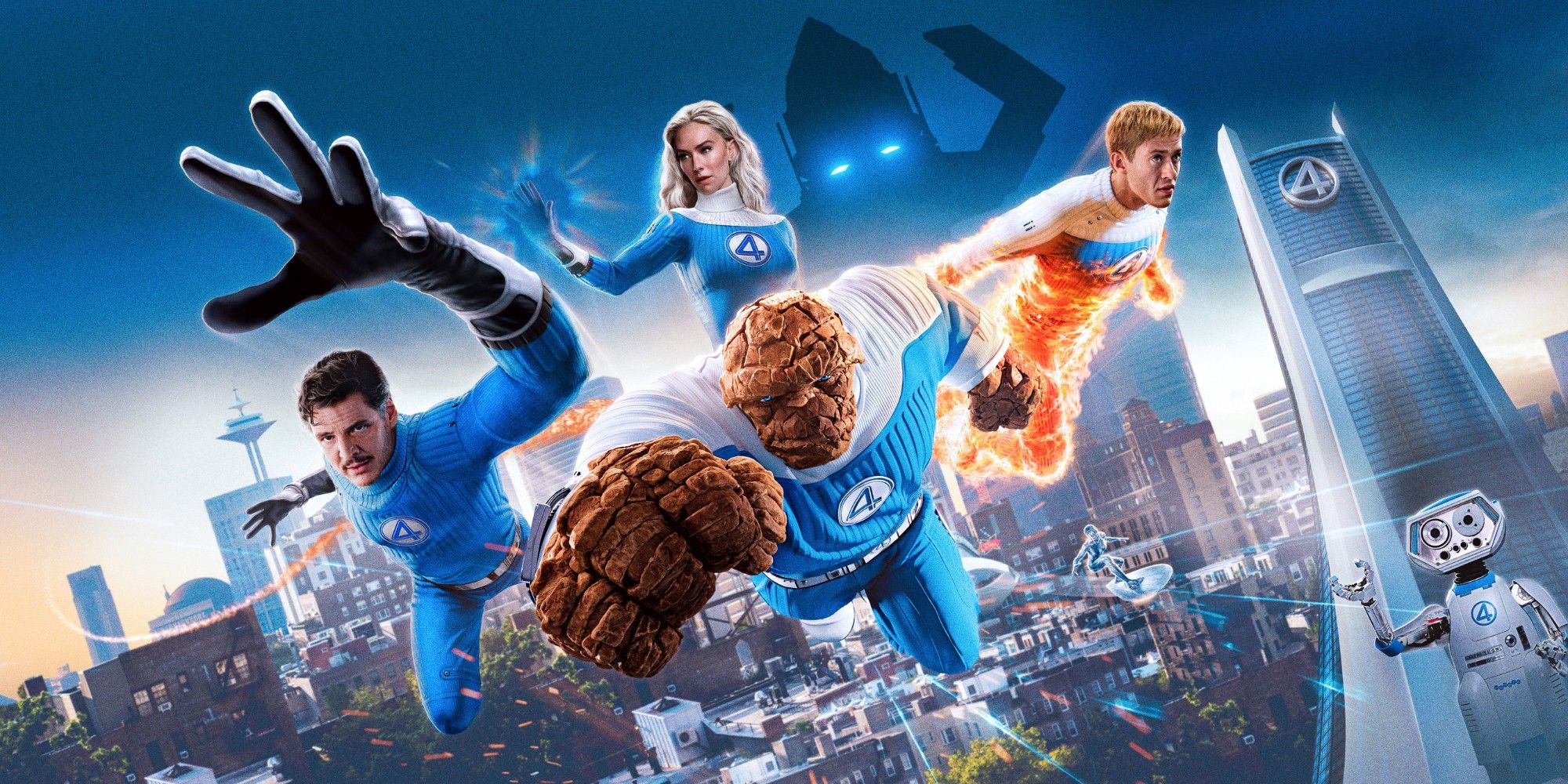
The 2025 film finally captures the First Family’s legendary chemistry that previous adaptations missed. Joseph Quinn’s Human Torch delivers perfect comedic timing and authentic sibling rivalry with Kirby’s Invisible Woman, while Ebon Moss-Bachrach’s Thing balances Ben Grimm’s tragedy with Brooklyn charm. Unlike earlier versions that struggled to balance four leads, this ensemble gives each member distinct arcs that interweave organically.
Johnny Storm’s pyrokinetic abilities showcase groundbreaking fire effects that behave according to real combustion physics—far removed from the cartoonish flames of prior films. Meanwhile, Kirby’s Sue Storm demonstrates creative force-field applications that surpass anything in previous MCU projects, including light-bending holographic decoys during major battle sequences.
The Thing’s Emotional Core
Moss-Bachrach’s performance through motion capture gives the Thing unprecedented expressiveness. His transformation scene delivers genuine pathos, while quieter moments with Pascal’s Richards highlight their deep friendship. The film smartly focuses on Grimm’s civilian identity as much as his rocky exterior—a balance previous adaptations rarely achieved.
The Retro-Futuristic 1960s Setting
The film’s unique aesthetic—described as Mad Men meets Star Trek—provides visual freshness in an MCU increasingly dominated by similar-looking locations. Production designer Ramsey Avery draws direct inspiration from Kirby’s original comics, evident in Art Deco spaceships and neon-lit laboratories. This period approach allows social commentary about 1960s gender roles through Sue Storm’s STEM struggles without feeling heavy-handed.
Some test audiences found the retro-futurism jarring against modern MCU continuity, but the setting ultimately serves narrative purpose. The optimistic tech aesthetic contrasts with Galactus’ cosmic horror, while allowing the Fantastic Four’s origin to remain untouched by previous MCU events—an elegant solution to continuity questions.
The Silver Surfer’s Introduction
Julia Garner’s Silver Surfer appears as Galactus’ herald, combining cosmic power with tragic emotion. Rather than copying previous portrayals, Garner brings a haunting physicality to the role—her sleek chrome design moves with balletic grace while delivering apocalyptic warnings. The character’s English dialogue (a departure from Norrin Radd’s traditional alien speech) makes her more accessible without losing mystery.
Credits Scenes and Future MCU Connections
The film includes two post-credit scenes that significantly impact Marvel’s Phase 6 plans. The first introduces a key X-Men character through a clever period-appropriate cameo, while the second shows Galactus may remain a Multiverse Saga threat beyond this film. These teases suggest Marvel Studios views the Fantastic Four as central to upcoming crossover events, with Reed Richards positioned as a scientific leader.
Additional Easter eggs hint at connections to Avengers: Doomsday and potential Fantastic Four spin-offs. Notably absent are references to previous Fox Marvel films—this reboot stands firmly within MCU continuity while respecting the source material’s spirit.
The Future of Marvel Storytelling
The film’s success suggests Marvel may pursue more standalone adventures with stronger directorial visions, countering recent criticisms about formulaic storytelling. Its balance of cosmic scope and character intimacy provides a template for future phases—one that emphasizes quality over quantity in interconnected storytelling.
Comments