
Fenway Park faces unprecedented disruption as 1,000 concession workers launch a historic 48-hour strike during the Dodgers vs Red Sox series. This first-ever labor stoppage at the iconic ballpark will leave food stands empty, forcing fans to rely on outside provisions.
The Aramark employees’ walkout over wage disputes and automation threats begins Friday noon, with the union urging supporters to boycott all stadium concessions. As replacement workers scramble to maintain operations, Fenway relaxes its usual outside food restrictions—creating a surreal fan experience for this marquee interleague matchup.
- Fenway Park concession workers will strike during the Dodgers vs Red Sox series, marking the first-ever labor action of its kind in the ballpark’s 112-year history.
- Fans are encouraged to bring outside food as stadium concessions will be severely limited, with security relaxing normal restrictions on sealed drinks and single-serving meals.
- Replacement workers are expected to be sourced from other Aramark venues, management personnel, and temporary agencies, potentially leading to service disruptions.
- The strike highlights ongoing labor disputes over wages, automation protections, and seniority rights, strategically timed during a high-profile interleague series.
- Local restaurants near Fenway are offering “strike supporter” meal deals as alternatives to ballpark concessions.
Dodgers vs Red Sox: Fenway Park Strike Disrupts Series – Fans Guide to Outside Food & Replacement Worker Details
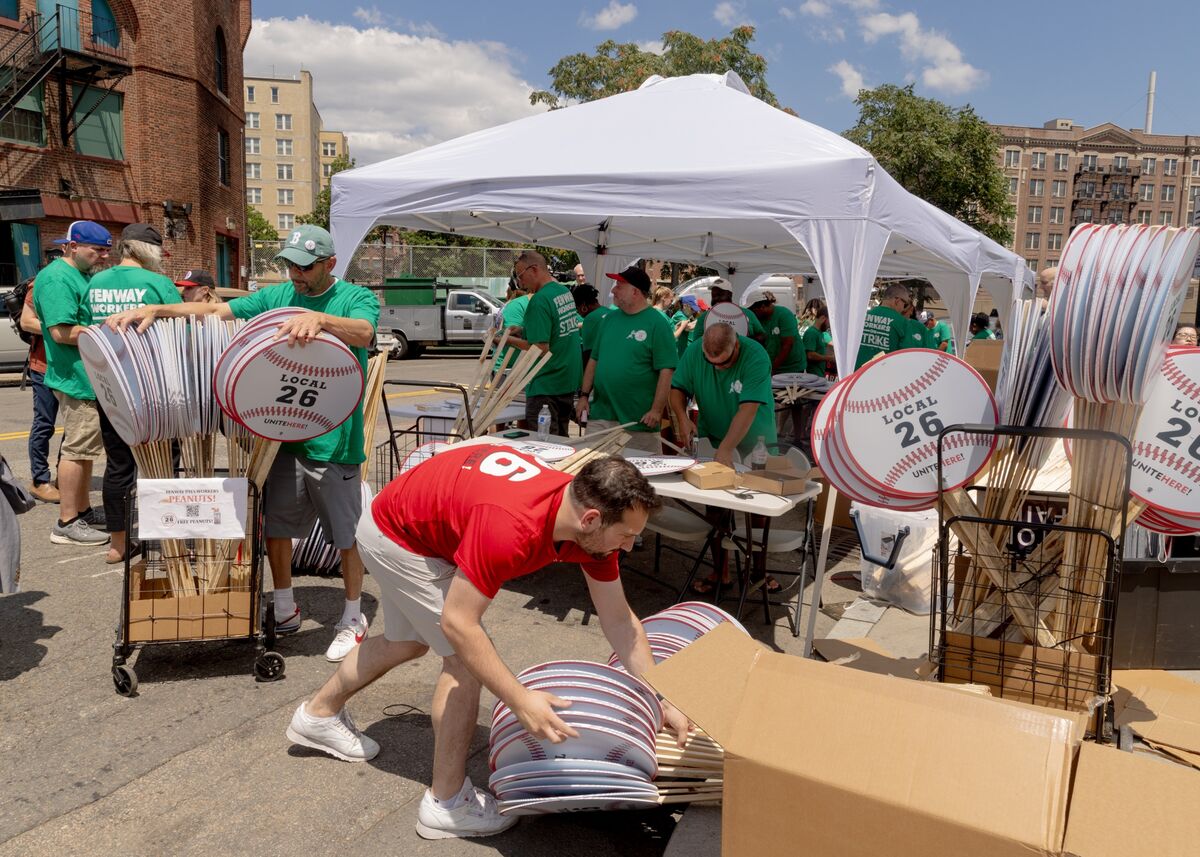
Historic Labor Strike Disrupts Dodgers-Red Sox Rivalry at Fenway
The storied Dodgers vs Red Sox rivalry takes an unprecedented turn as 1,000 Fenway Park concession workers launch the stadium’s first-ever strike during this weekend’s series. The 48-hour walkout by Aramark employees will leave food stands understaffed, with union leaders urging fans to boycott concessions entirely. This marks a pivotal moment in sports labor history, strategically timed during one of Boston’s most anticipated interleague matchups.
Workers are demanding wage increases that reflect Boston’s soaring living costs, protections against automation replacing jobs, and improved working conditions. The strike’s impact will be felt throughout the ballpark, affecting everything from beer sales to premium club dining services. Security policies regarding outside food are being temporarily relaxed, creating logistical challenges for stadium operations.

| Impact Area | Normal Operations | Strike Conditions |
|---|---|---|
| Concession Availability | Full service | Limited locations |
| Food Quality | Standard ballpark fare | Replacement worker uncertainty |
| Wait Times | 5-15 minutes | 30+ minutes expected |
Why This Strike Matters Beyond Baseball
Unlike previous disputes at newer stadiums, the Fenway strike carries unique symbolism. The workers aren’t just fighting Aramark – they’re challenging the entire sports concession model. Their demands resonate with broader economic struggles in the service industry, where inflation has outpaced wages despite record MLB revenues.
Fenway Park’s Outside Food Policy During the Strike
In a remarkable departure from standard procedure, Fenway security will temporarily permit fans to bring outside food into the stadium. The union has explicitly encouraged this as a show of solidarity, handing out lists of approved local restaurants near the ballpark.

Key policy changes include:
- Food quantity limits lifted (normally single-serving only)
- Soft drinks allowance expanded from 16oz to 32oz sealed bottles
- Cooler restrictions relaxed for families
- Alcohol prohibition remains strictly enforced
Top Local Alternatives to Ballpark Food
Savvy fans should consider these nearby options before first pitch:
- Tasty Burger – Their Fenway Frank replica costs half Aramark’s price
- El Pelon Taqueria – Easily portable burritos with authentic flavors
- Time Out Market – Diverse food hall options 10 minutes from gates
Inside Aramark’s Replacement Worker Strategy
Industry sources reveal contingency plans involve three tiers of temporary staffing:
| Tier | Worker Source | Experience Level |
|---|---|---|
| 1 | Aramark corporate staff | Management training |
| 2 | Boston-area hotel banquet staff | Limited concession experience |
| 3 | Temporary agency hires | Minimal food service background |
This patchwork solution raises serious concerns about service quality during the sold-out Dodgers series. Complex systems like beer tap maintenance and premium club dining require institutional knowledge that replacement workers lack.
Potential On-Field Impacts of the Concession Strike
While players remain insulated from direct strike effects, subtle gameplay influences may emerge during the Red Sox vs Dodgers series:
- Extended inning breaks as replacement workers struggle with increased bathroom traffic
- Altered crowd energy from protest chants versus normal baseball atmosphere
- Clubhouse meal service disruptions affecting player routines

The Dodgers’ west coast labor culture may produce visible solidarity gestures, while Red Sox players face pressure regarding hometown working conditions. Both teams could see performance impacts from the atypical stadium environment.
Fan Experience: Navigating the Strike Weekend
Attendees should prepare for a fundamentally different Fenway experience during the Dodgers series:
Essential Strike Game Tips
- Arrive 90+ minutes early – Enhanced security checks expected
- Bring cash backups – Some registers may only accept cards
- Download food delivery apps – Nearby restaurants offering gate drop-offs
- Pack patience – Everything will move slower than usual
Long-Term Implications for MLB Concessions
This strike represents a watershed moment in stadium labor relations that could ripple across baseball:
| Impact Area | Short-Term Effect | Potential Long-Term Change |
|---|---|---|
| Vendor Contracts | Renewal negotiations | Stricter labor clauses |
| Fan Expectations | Food inconvenience | Permanent outside food policies |

As the Dodgers and Red Sox battle on the field, the concession workers’ struggle may ultimately prove more consequential for baseball’s future. Their fight spotlights the unsustainable economics of modern stadium experiences, where corporations prioritize profits over both workers and fans.
Comments