
SpaceX has successfully launched another batch of Starlink satellites from Vandenberg Space Force Base today, marking the company’s second mission in under 24 hours following yesterday’s Florida deployment. The evening liftoff generated sonic booms heard across Southern California as the Falcon 9’s first stage returned to Earth.
This mission delivered 24 new satellites to orbit, continuing SpaceX’s rapid expansion of its global internet constellation. Meanwhile, NASA remains on track with preparations for its upcoming TRACERS science mission despite SpaceX’s busy launch schedule.
- SpaceX successfully launched 24 Starlink satellites from Vandenberg Space Force Base, marking its second Starlink mission within 24 hours after a Florida launch.
- Sonic booms were reported across Southern California as the Falcon 9’s first stage returned to Earth and landed on the droneship Of Course I Still Love You.
- The launch highlights SpaceX’s rapid cadence of polar/Sun-synchronous missions from Vandenberg, contrasting with equatorial launches from Cape Canaveral.
SpaceX Launch Today: Successful Starlink Deployment from Vandenberg
SpaceX achieved another milestone with the successful launch of 24 Starlink satellites from Vandenberg Space Force Base on July 26, 2025. The Falcon 9 rocket lifted off at 8:52 p.m. PDT, marking the company’s second Starlink mission in under 24 hours following a Florida launch earlier that day. The first stage booster successfully landed on the droneship “Of Course I Still Love You” in the Pacific Ocean, while the upper stage delivered the satellites to low Earth orbit.
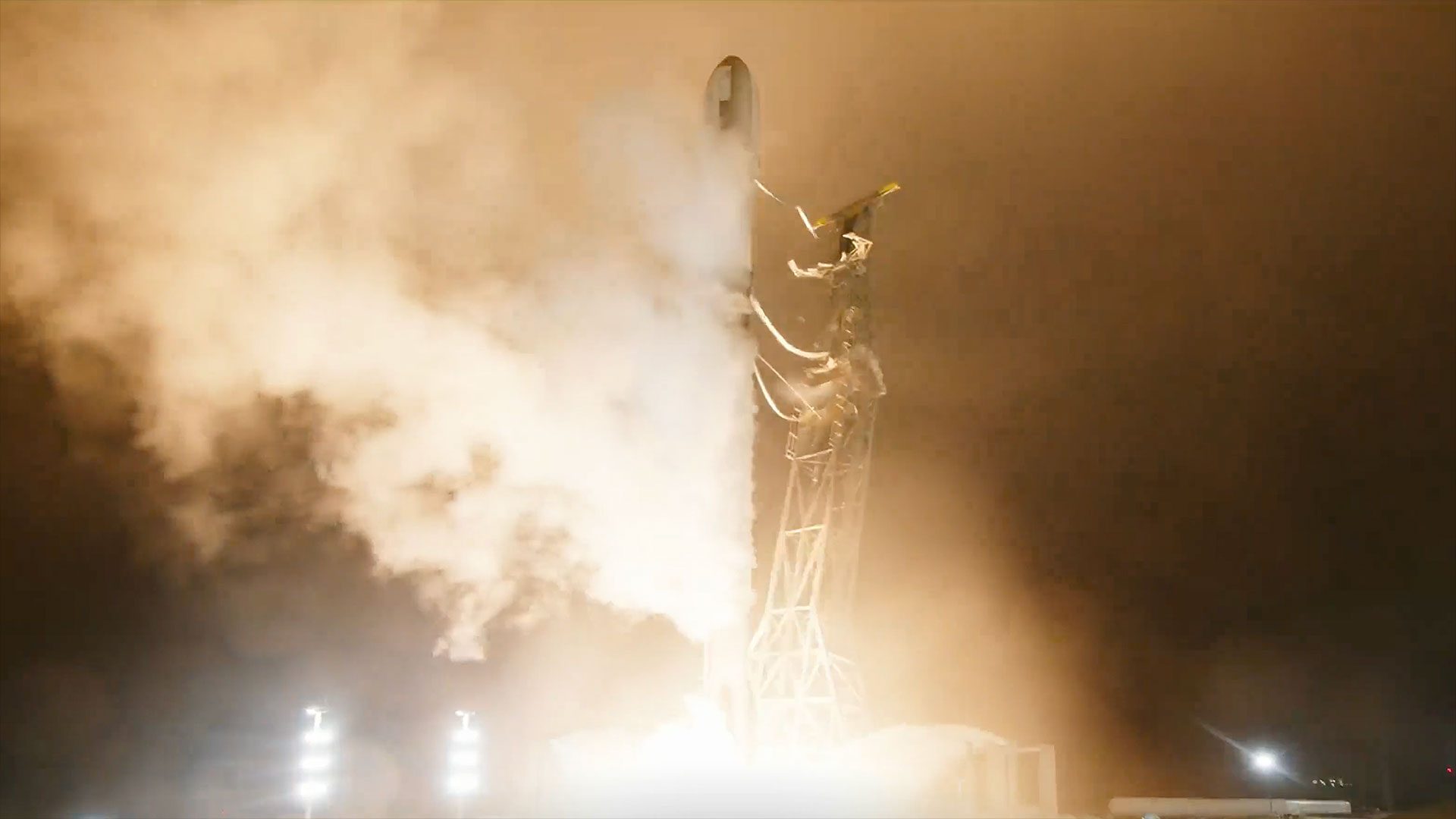
This launch continues SpaceX’s rapid deployment of its satellite internet constellation, bringing the total number of operational Starlink satellites to nearly 8,000. The company has maintained an aggressive launch cadence in 2025, with this being the 18th Starlink mission from Vandenberg alone.

Technical Details of the Mission
The mission followed SpaceX’s standard profile for Starlink launches:
- Liftoff occurred at 8:52 p.m. PDT
- First stage separation at T+2:19
- Boostback burn completed successfully
- Satellite deployment at T+9:36
Sonic Booms Rattle Southern California After Launch
Residents across Southern California reported hearing distinctive double sonic booms approximately 8 minutes after liftoff as the Falcon 9’s first stage re-entered Earth’s atmosphere. The phenomenon occurs when the booster exceeds the speed of sound during its descent, creating shockwaves audible across wide areas.
Historical data shows that sonic boom intensity varies based on:
| Factor | Impact on Sonic Boom |
|---|---|
| Atmospheric conditions | Temperature inversions can amplify sound |
| Observer location | Closer to landing zone increases intensity |
| Booster trajectory | Steeper angles produce louder booms |
Best Viewing Locations for Vandenberg Rocket Launches
Space enthusiasts in California have identified several prime locations to witness SpaceX launches from Vandenberg:
- Ocean Avenue Park, Lompoc – Offers unobstructed views of the launch pad
- Surf Beach – Combines ocean scenery with launch viewing
- Hawk’s Nest – Elevated vantage point in Vandenberg Village
- Jalama Road – Remote location with minimal light pollution

Comparison: Vandenberg vs. Cape Canaveral Launches
SpaceX utilizes both coasts to achieve different orbital parameters for its missions. The key differences include:
| Parameter | Vandenberg | Cape Canaveral |
|---|---|---|
| Primary Orbital Inclination | 70° (Polar/Sun-synchronous) | 28°-51.6° (Equatorial/ISS) |
| Launch Frequency (2025) | 18 missions YTD | 32 missions YTD |
| Recovery Location | Pacific Ocean | Atlantic Ocean |
Vandenberg’s southern latitude makes it ideal for polar orbit missions, while Florida’s eastern position provides better energy efficiency for equatorial launches.
Impact on Starlink Network Coverage
The complementary launch sites allow SpaceX to:
- Provide global coverage with varying inclinations
- Maintain launch cadence despite weather constraints
- Optimize orbital planes for network efficiency
Future of SpaceX Launch Operations
With the Vandenberg launch successful, SpaceX continues its path toward completing the initial Starlink constellation. The company has ambitious plans for expansion:
- Current constellation: ~8,000 satellites
- Phase 1 completion: 12,000 satellites by 2027
- Future plans: Up to 42,000 satellites across multiple orbital shells
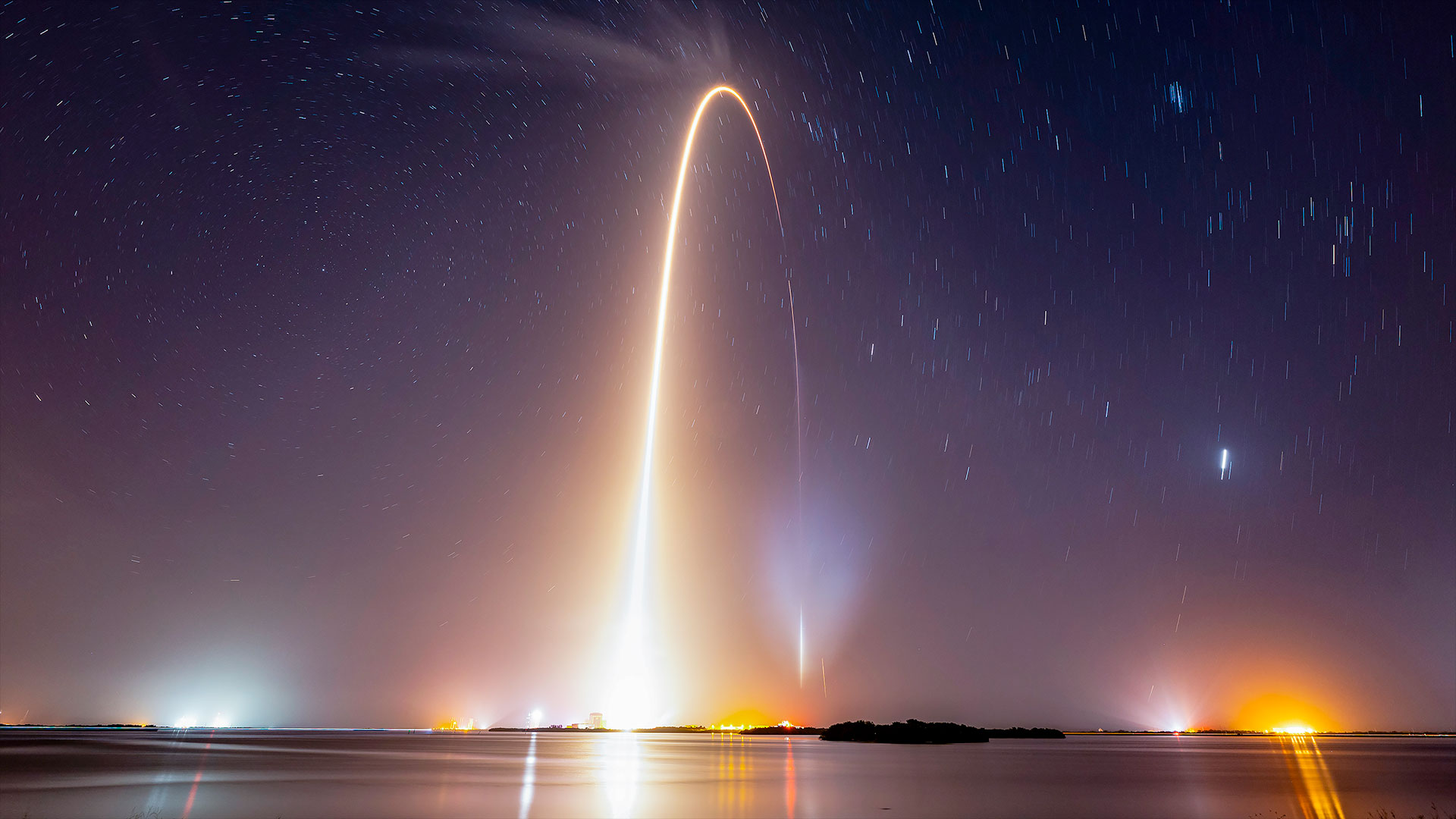
The company’s launch frequency has increased dramatically at Vandenberg:
- 2021: 4 launches
- 2023: 18 launches
- 2025: Projected 30+ launches
Regulatory and Operational Challenges
As SpaceX escalates launch operations, several challenges emerge:
- Airspace coordination with commercial aviation
- Environmental monitoring of launch effects
- Orbital traffic management with other operators
- Public response to increasing launch frequency
NASA Partnerships Amid Commercial Launch Surge
While SpaceX dominates commercial launch services, NASA continues its scientific missions, including the upcoming TRACERS (Tandem Reconnection and Cusp Electrodynamics Reconnaissance Satellites) mission to study Earth’s magnetosphere. Neither recent Starlink launch has impacted NASA’s schedule, demonstrating SpaceX’s ability to balance commercial and government commitments.
Notable NASA-SpaceX collaborations in progress:
- CRS (Commercial Resupply Services) to ISS
- Artemis lunar program
- Human spaceflight missions
- Earth science constellations

Comments