
Figma’s $20 billion IPO debut has sent shockwaves through the tech sector, with shares priced aggressively at $25-$28 amid volatile market conditions. The design collaboration leader’s valuation now exceeds established players like Adobe on revenue multiples, raising questions about its ability to justify the premium.
Investors face a critical dilemma: chase the 3x oversubscribed offering or avoid what skeptics call “2025’s most dangerous hype cycle.” With 46% YoY growth and 90% gross margins, Figma’s fundamentals shine, but looming lockup expirations and Adobe’s counterattack could test its staying power.
- Figma’s IPO is priced at $30–$32 per share, targeting an $18.8B valuation, reflecting strong institutional demand with 3x oversubscription.
- The company trades at 18x 2024 revenue ($1.04B) with industry-leading 90% gross margins, but faces competition from Adobe and Microsoft’s AI-powered tools.
- Lockup expiration on January 27, 2026 poses a key risk, as historical data shows SaaS stocks typically drop 8% in the 30 days pre-lockup.
Figma Stock IPO Price Analysis: Can $20B Valuation Survive Market Volatility and Sustain Growth?

The $32 Per Share Gamble: Breaking Down Figma’s Elevated IPO Price
Figma’s decision to price shares at $30-$32 represents a bold strategy in today’s volatile market. The company initially targeted a $25-$28 range, but overwhelming institutional demand – the offering was oversubscribed by 3x according to underwriters – prompted this upward revision. With 24.6 million primary shares and a 5.5 million greenshoe option, Figma’s leadership demonstrates confidence in their growth trajectory.
What makes this pricing particularly intriguing is how it balances private market expectations with public market realities. While the $18.8 billion valuation falls slightly short of Figma’s last private valuation of $20 billion, it positions the company at approximately 18x its 2024 revenue of $1.04 billion – within the typical 15-20x ARR multiple for high-growth SaaS companies.
- Primary shares offered: 24.6 million (40% from existing shareholders)
- Greenshoe option: Additional 5.5 million shares
- Float percentage: Just 8% of total shares outstanding

Valuation Under the Microscope: Is Figma Worth $18.8 Billion?
At first glance, Figma’s valuation multiples appear steep:
| Metric | Multiple |
|---|---|
| Price/2024 Revenue | 18x |
| Price/2024 Operating Profit | 56x |
| Price/2024 Net Income | 120x |
However, Figma’s industry-leading metrics tell a more nuanced story:
- 90% gross margins (vs. Adobe’s 88%)
- 135% net dollar retention rate
- 46% YoY revenue growth in Q1 2025
First-Day Trading: Historical Patterns and What They Suggest
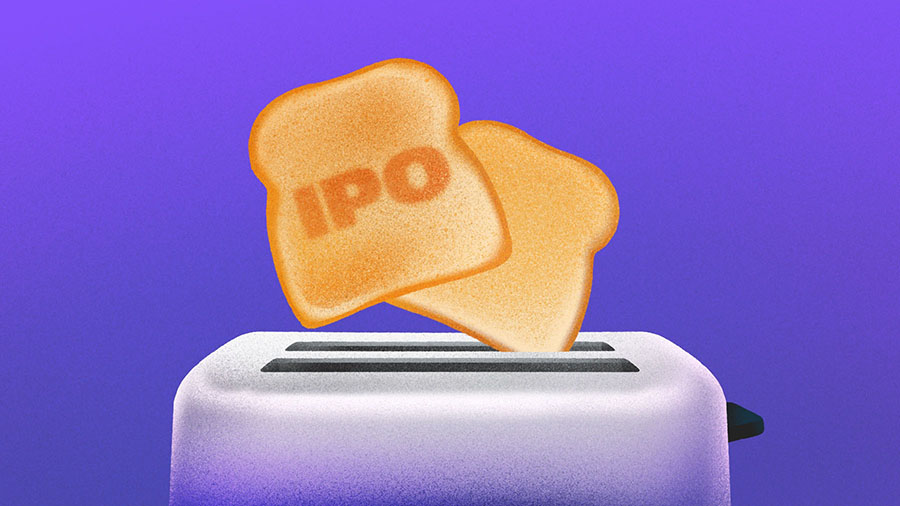
Recent tech IPOs provide a mixed blueprint:
- Rubrik: +16% first day, now +42% from IPO
- Reddit: +48% debut, now -12%
- Astera Labs: +72% first day, now +210%
Figma’s limited float (8% of shares) could create artificial scarcity, potentially driving an initial pop. Market makers typically facilitate 15-25% opening gains before stabilization. The VWAP (volume-weighted average price) during the first trading hour will reveal institutional accumulation patterns.
Critical indicator: If FIG shares trade below $30.50 within the first 48 hours, it suggests weak hands are taking early profits rather than institutions building long-term positions.The Lockup Expiration Countdown: Navigating Insider Selling
Figma’s 180-day lockup period expires on January 27, 2026 – a date that should be circled on every investor’s calendar. Historical SaaS market data reveals:
- 8% average decline in the 30 days preceding lockup expiration
- Trading volume spikes to 3x normal levels at expiration
- Companies with >20% insider ownership (like Figma) experience steeper drops
Index Ventures and Greylock Partners hold approximately 30% of shares between them, creating substantial potential selling pressure when restrictions lift. However, Figma’s strong fundamentals might mitigate the typical post-lockup slump.
Long-Term Growth: Can Figma Disrupt the Adobe Empire?

Figma’s product expansion echoes Adobe’s historical playbook:
- FigmaJAM whiteboarding at $5/user/month
- Enterprise version with admin controls
- Config marketplace with 5% revenue share
The TAM expands from $22B (design tools) to $85B when including collaboration software, but challenges remain:
- Adobe commands 21% creative software market share
- Creative Cloud’s bundling power remains formidable
- 95% Fortune 500 penetration leaves little easy growth
Three Underappreciated Risks
Beyond the obvious competitors, these threats deserve attention:
- Freemium conversion decline: Dropped from 5.2% to 4.7% in Q2 2025
- Apple’s Freeform: Direct FigJam competitor with deep OS integration
- Microsoft’s Designer: Now incorporates DALL-E 3 AI capabilities
Comments