
El Salvador has rewritten its constitution, allowing President Nayib Bukele to rule indefinitely—a seismic shift with global implications. This unprecedented move sparks fierce debates about democracy’s erosion versus Bukele’s popular crime crackdown and Bitcoin revolution.
While supporters hail the decision as necessary for stability, critics warn it mirrors authoritarian playbooks across Latin America. The extended six-year terms cement Bukele’s dominance amid soaring approval ratings and international condemnation.
All eyes now watch how indefinite rule will reshape El Salvador’s cryptocurrency experiment, gang suppression tactics, and delicate relationship with the United States.
- El Salvador abolished presidential term limits, enabling Nayib Bukele to rule indefinitely amid praise for reducing crime but criticism of democratic erosion.
- Bukele’s Bitcoin policy faces uncertainty—continued adoption could stabilize crypto experiments or risk autocratic financial decisions, with the government holding 2,381 BTC.
- The U.S. may reconsider aid and diplomatic ties due to democratic backsliding, though security cooperation and migration policies remain key points of engagement.
- Human rights concerns grow as mass incarcerations under emergency measures reveal abuses, while economists question the sustainability of Bukele’s security-focused model.
Nayib Bukele’s Indefinite Re-Election in El Salvador: Impacts on Bitcoin Policy, Crime Crackdown, and US Relations

The Constitutional Overhaul: How Bukele Engineered Indefinite Rule
El Salvador’s Legislative Assembly, dominated by President Nayib Bukele’s Nuevas Ideas party, has approved sweeping constitutional changes that abolish presidential term limits and extend terms to six years. This move effectively legalizes indefinite re-election, allowing Bukele to remain in power potentially for decades. The reforms were passed with 67 out of 84 votes, demonstrating the tight grip Bukele’s party holds over Salvadoran politics.
The constitutional overhaul also included changes to judicial appointment processes, making it easier for the executive branch to control the Supreme Court. Critics argue these changes follow a pattern seen in Venezuela and Nicaragua, where democratic institutions were systematically weakened to consolidate authoritarian rule.
Bukele’s government defends the reforms as necessary for stability, claiming traditional political parties failed to address El Salvador’s crisis-level violence and poverty. However, international observers note the changes were implemented without meaningful public consultation or opposition participation.

Bitcoin’s Future Under Bukele’s Permanent Presidency
As the architect of El Salvador’s pioneering Bitcoin adoption, Bukele’s indefinite presidency guarantees continuity for the nation’s cryptocurrency experiment. The government currently holds 2,381 BTC (valued at approximately $140 million) purchased through dollar-cost averaging strategies.

Potential Implications for Crypto Regulation
- Likely expansion of Bitcoin use in government transactions
- Potential for mandatory adoption by businesses if volatility continues
- Increased partnerships with global crypto companies
- Possible creation of crypto-focused special economic zones
While Bitcoin adoption has brought international attention, tangible economic benefits remain limited. Tourism increased 40% since adoption, but cryptocurrency comprises less than 1% of GDP. The dollar remains El Salvador’s primary currency for daily transactions.
Crime Reduction vs. Human Rights: The Sustainability Question
Bukele’s controversial state of emergency, in place since March 2022, has resulted in over 80,000 arrests and a dramatic 60% reduction in homicides. The government’s mega-prison, designed to hold 40,000 inmates, currently operates at 300% capacity.
| Year | Homicides per 100,000 | Gang Membership Estimate |
|---|---|---|
| 2015 | 105 | 70,000 |
| 2024 | 7.8 | Unknown (mass incarceration) |
Human rights organizations report hundreds of deaths in custody and thousands of wrongful arrests. While Salvadorans overwhelmingly support the security improvements, economists question whether the $300 million annual cost is sustainable long-term.
US-El Salvador Relations in the Bukele Era
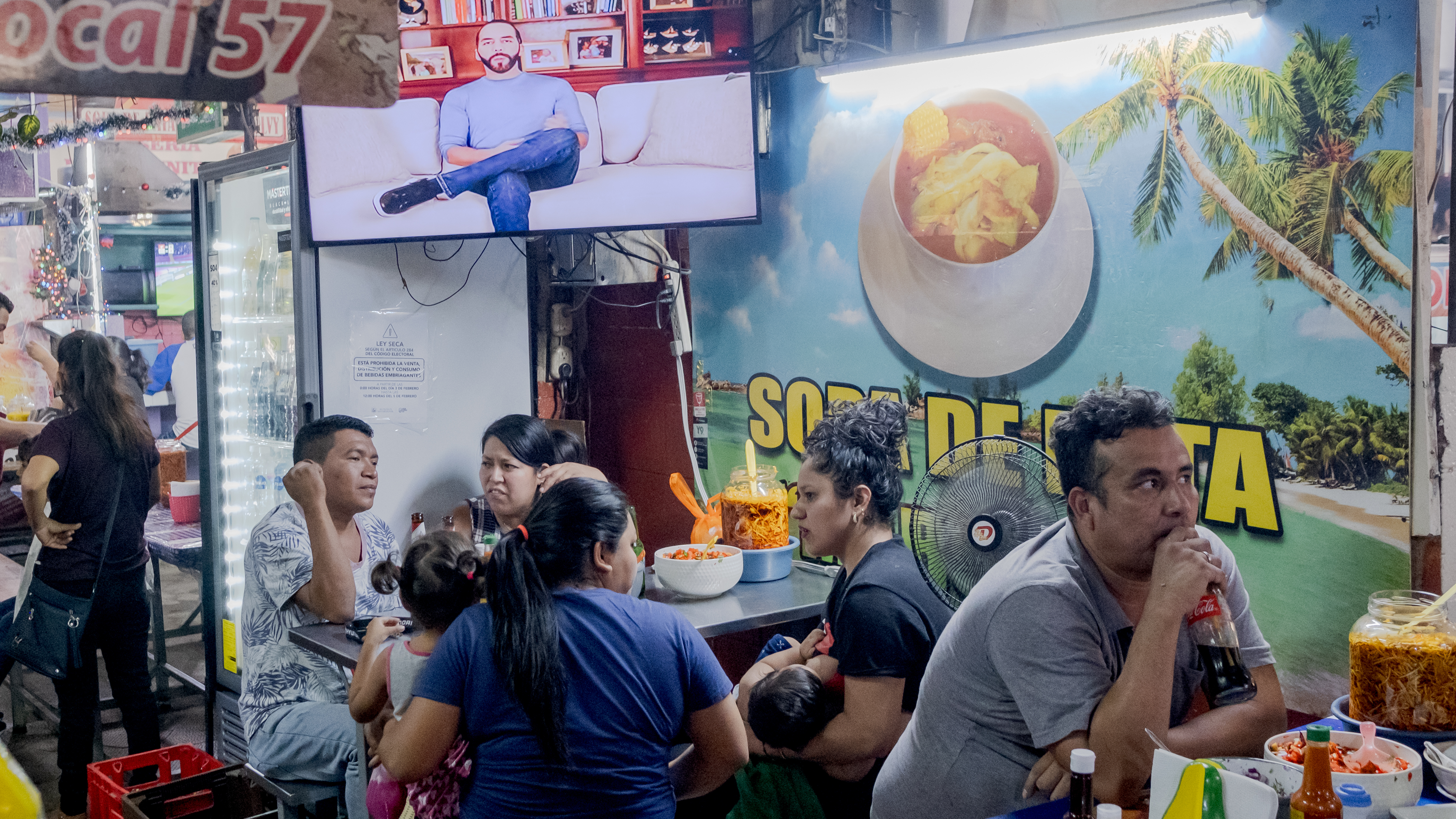
The Biden administration faces a dilemma in responding to Bukele’s indefinite re-election. While condemning democratic backsliding, the U.S. continues cooperating on migration control and security. Annual aid totaling $387 million remains crucial for El Salvador’s economy.
Potential Policy Shifts
- Congressional Democrats may push for aid conditionality
- Possible sanctions against officials involved in rights violations
- Reduced military cooperation if democratic norms erode further
- Increased Chinese influence if U.S. disengages
Bukele’s alignment with China on cryptocurrency and infrastructure projects could accelerate if relations with Washington deteriorate. China has already financed several major projects, including the new National Library.
The Economic Outlook Under Permanent Bukele Rule
El Salvador faces significant economic challenges despite security improvements and cryptocurrency experiments. Public debt stands at 85% of GDP, while Bitcoin investments remain highly volatile. The IMF continues warning about fiscal sustainability.
Key Economic Indicators
- GDP growth: 2.8% (2024 estimate)
- Unemployment: 7.1% (officially, though underemployment remains high)
- Remittances: $7.74 billion (27% of GDP)
- Bitcoin tourism revenue: $400 million annually
Bukele’s infrastructure projects, including airport modernization and new hospitals, have created jobs but added to debt burdens. The indefinite presidency raises concerns about unchecked spending and reduced transparency in economic management.
Civil Society and Opposition in an Authoritarian Era
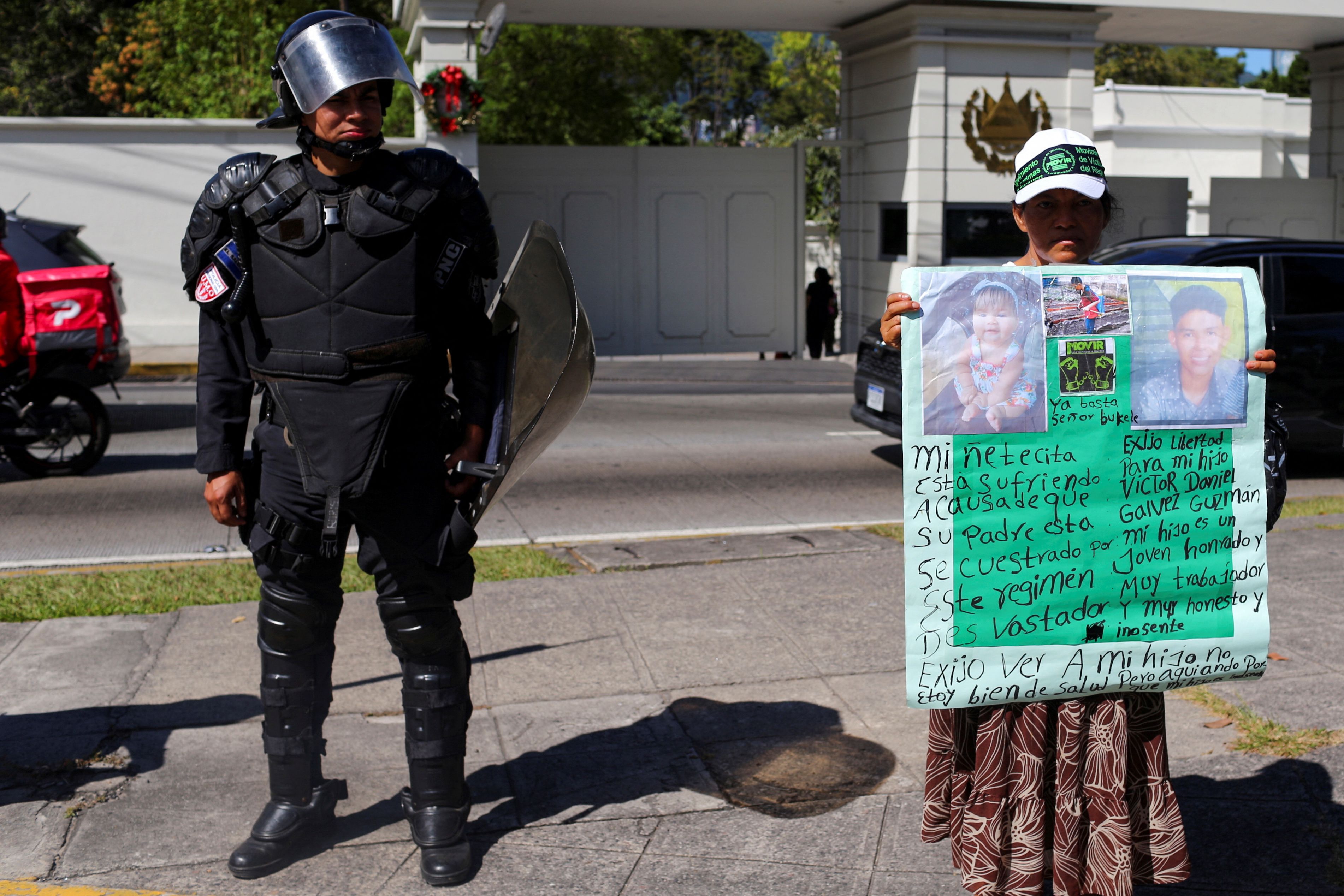
With Bukele controlling all branches of government, dissent carries increasing risks. Over 200 civil society leaders have fled the country since 2022, while independent media like El Faro operate from exile. The government has weaponized anti-gang laws to target critics.

The Catholic Church remains one of few institutions willing to criticize the government, but its influence has waned among younger Salvadorans. With elections no longer functioning as accountability mechanisms, prospects for democratic restoration appear bleak.
Comments