
A dangerous Vibrio vulnificus outbreak is spreading in the Outer Banks’ warm coastal waters, putting swimmers and seafood lovers at risk of flesh-eating bacterial infections.
With record-high ocean temperatures fueling bacterial growth, health officials report nearly 60 North Carolina cases this summer—including severe ICU hospitalizations. Immediate medical attention is critical when symptoms like wound redness or blistering appear within 24 hours of water exposure.
- An Outer Banks man’s ICU hospitalization highlights the rising threat of Vibrio vulnificus, a flesh-eating bacteria flourishing in unusually warm coastal waters, with North Carolina cases reaching 59 by late July.
- Warmer sea temperatures (mid-80s off Cape Hatteras) and heavy rainfall are creating ideal brackish water conditions for the bacteria, which infects through open wounds or raw seafood consumption.
- Survival depends on immediate treatment – symptoms like redness, swelling or blistering within 24 hours after exposure require urgent medical attention to prevent life-threatening complications.
- Health officials recommend avoiding saltwater with cuts, thoroughly cooking shellfish (boiling oysters for 3+ minutes, crabs for 9+ minutes after shells open), and washing with fresh water after swimming.
- High-risk areas include shallow sound-side waters of the Outer Banks, Gulf Coast regions affected by tropical weather, and Florida’s intracoastal waterways where warm, stagnant conditions prevail.
Outer Banks Vibrio Vulnificus Warning: Flesh-Eating Bacteria Risks, Survival Tips & How to Protect Yourself in Warm Coastal Waters

The Growing Threat of Vibrio Vulnificus in Outer Banks
The Outer Banks has recently become a hotspot for Vibrio vulnificus infections, with coastal waters reaching unusually warm temperatures this summer. A shocking 59 cases were reported in North Carolina by late July, marking the second-highest midsummer tally in the past five years. These warm coastal waters create perfect breeding conditions for this dangerous flesh-eating bacteria.
Sea temperatures in the mid-80s around Cape Hatteras, combined with diluted salt levels from heavy rainfall, form ideal brackish water conditions where Vibrio thrives. The bacteria primarily infects humans through open wounds exposed to contaminated water or consumption of raw seafood.
Health officials emphasize that immediate medical attention is critical when symptoms appear, which typically develop within 12-24 hours of exposure. Warning signs include redness, swelling, or blistering around wounds, along with fever and chills.

Recognizing Symptoms: The Race Against Time
Vibrio vulnificus infections progress with terrifying speed. Early symptoms may seem mild – often mistaken for food poisoning or minor skin irritation. However, within just 12-24 hours, symptoms can escalate dramatically to include:
- Severe pain and swelling around wounds
- Blisters with dark-spotted skin
- Fever and chills
- Nausea and diarrhea (for foodborne infections)
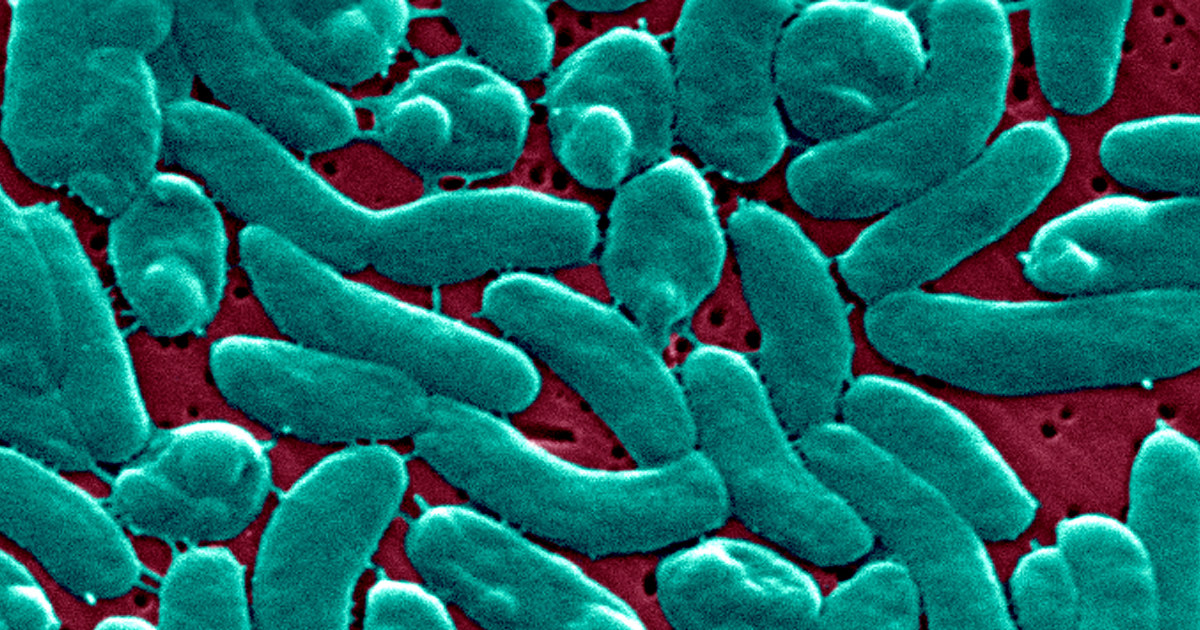
The key to survival is early intervention. Mortality rates drop significantly when treatment begins within the first 24 hours of symptom appearance. Patients who wait longer often face extensive tissue damage requiring surgical debridement or amputation.
Who’s Most At Risk?
While anyone can contract Vibrio infections, certain groups face higher danger:
| Risk Group | Reason |
|---|---|
| People with liver disease | Impaired immune function |
| Diabetics | Poor circulation and wound healing |
| Elderly individuals | Weakened immune systems |
Survival Stories: Lessons From Recent Cases
Despite the frightening statistics, many people do survive Vibrio infections with prompt treatment. Recent cases along the Outer Banks and surrounding regions offer valuable lessons:
One Outer Banks resident spent three weeks in ICU but ultimately recovered after aggressive antibiotic therapy. His doctors credit his survival to seeking treatment immediately after noticing unusual swelling around a small cut he got while fishing.

A Louisiana fisherman wasn’t as lucky – he survived but lost significant portions of his leg to necrotizing fasciitis. His case highlights the rapid progression possible when treatment is delayed even by a day.
Protecting Yourself: Practical Safety Measures
While Vibrio vulnificus poses serious risks, simple precautions can dramatically reduce your chances of infection:
- Avoid saltwater exposure if you have open wounds
- Wear waterproof bandages over cuts when swimming
- Thoroughly cook all seafood (especially shellfish)
- Wash hands and shower after water activities
- Be extra cautious after heavy rainfall
Cooking Seafood Safely
Proper preparation is crucial during Vibrio outbreaks:
| Seafood | Safe Preparation |
|---|---|
| Oysters in shell | Boil until shells open + 5 minutes |
| Shucked oysters | Boil 3 minutes or fry at 375°F for 10 minutes |
| Crabs/lobsters | Steam until shells open + 9 minutes |
Treatment Options: What Works Best
The standard treatment protocol combines:
- Third-generation cephalosporins (like ceftazidime)
- Doxycycline or minocycline
- Possible addition of ciprofloxacin for severe cases
However, antibiotic resistance patterns are evolving. Some newer cases have shown reduced susceptibility to traditional regimens. Research indicates that early administration (within 24 hours) is the single greatest predictor of survival, more important than the specific antibiotics used.

Comments