
Major changes are hitting SNAP benefits as seven states prepare to ban soda and candy purchases starting in 2026. Nebraska, Arkansas, and Utah lead the charge with USDA-approved restrictions targeting sugary drinks and snacks under the “Make America Healthy Again” initiative.
The policy shift marks the first time states have gained authority to modify federal food stamp guidelines. Simultaneously, expanded farmers market programs are creating new opportunities for SNAP users to access fresh produce, presenting both restrictions and incentives for healthier eating.
With 23% of SNAP spending currently going toward sugary items, these changes could significantly impact public health outcomes and grocery shopping habits nationwide.
- Multiple states including Nebraska, Arkansas, Idaho, and Utah will ban SNAP purchases of soda, candy, and energy drinks starting in 2026 under new USDA “Make America Healthy Again” initiative.
- SNAP program now allows previously restricted hot rotisserie chicken while prohibiting sugary items, using GS1 U.S. food categorization for enforcement.
- Farmers markets expand SNAP access with mobile EBT systems and double-up food buck programs, aiming to redirect 23% of current SNAP spending from processed foods to fresh produce.
- Retailers must update point-of-sale systems to automatically block restricted items, while critics argue the changes represent “disguised classism” against low-income families.
Food Stamps 2026: States Banning Soda & Candy Under New SNAP Rules – Plus Surprising Farmers Market Benefits

Major SNAP Overhaul: Which States Are Banning Sugary Items?
The Supplemental Nutrition Assistance Program (SNAP) is undergoing its most significant transformation in decades as multiple states implement controversial bans on sugar-sweetened beverages and candy purchases using food stamps. Nebraska made history by becoming the first state to receive USDA approval for its waiver banning soda, candy, and energy drinks from SNAP eligibility, effective January 1, 2026.
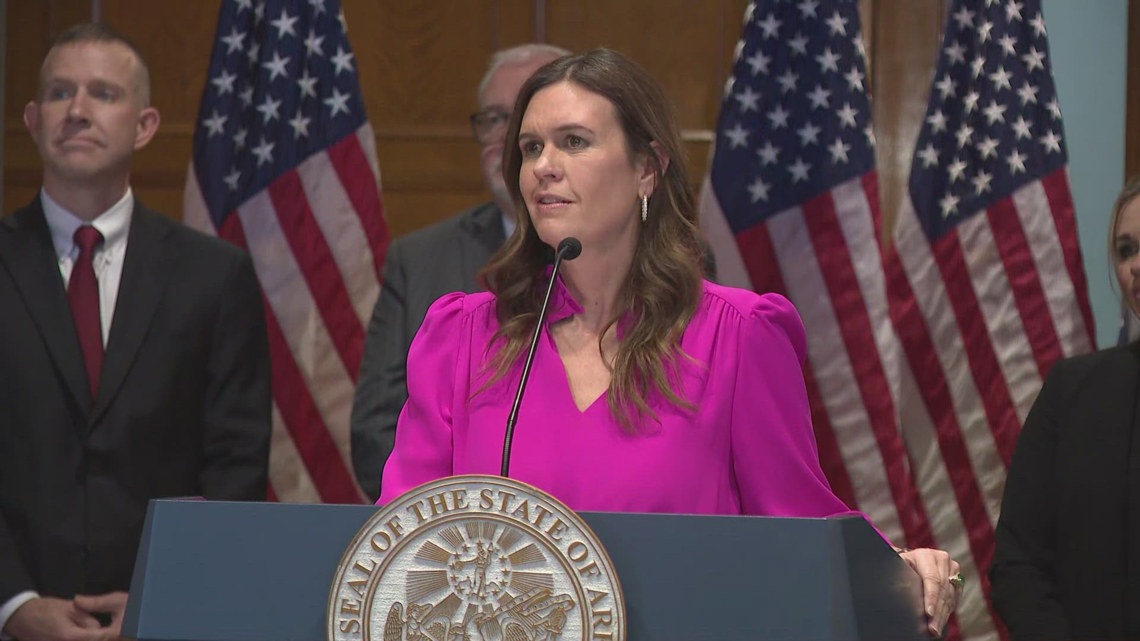
Arkansas quickly followed with its own restrictions set to begin July 2026, while Idaho and Utah have announced plans to implement similar bans later that year. These states are leveraging the USDA’s new “Make America Healthy Again” initiative, which grants unprecedented flexibility to modify federal nutrition assistance guidelines at the state level.
The prohibited items include:
- All carbonated soft drinks (including diet versions)
- Candy containing flour (like Kit Kats) or without
- Energy drinks with added sugars
- Fruit drinks with less than 50% real juice

The Farmers Market Revolution: How SNAP Expands Access to Fresh Food
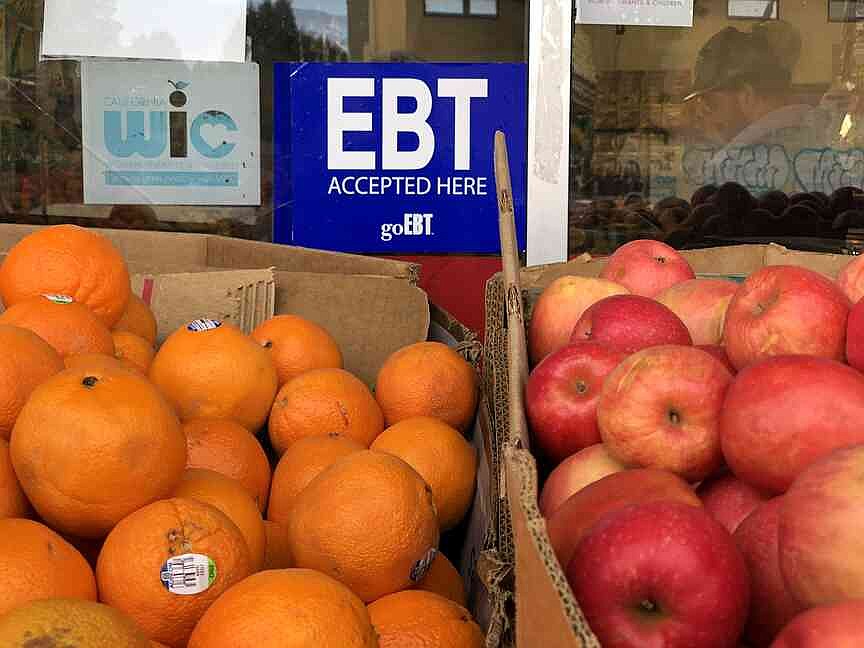
While restricting unhealthy options, the USDA is simultaneously expanding SNAP participants’ access to fresh, locally-grown foods through innovative farmers market programs. Over 8,200 farmers markets nationwide now accept SNAP benefits, with many offering “Double Up Food Bucks” programs that effectively double spending power for fruits and vegetables.

Key improvements include:
- Mobile EBT processing units for markets without electricity
- Extended operating hours (including weekends) for working families
- Nutrition education programs at point of purchase
- Minimum 40% produce vendor requirements for SNAP-participating markets
The Retailer Challenge: How Stores Are Adapting to New SNAP Rules
Grocery retailers face significant operational challenges implementing these changes. All point-of-sale systems must be reprogrammed to recognize and block restricted items using GS1 U.S. food categorization codes. Convenience stores – which derive 40% of sales from SNAP-eligible items – face particular pressure to adjust their inventory mixes.
Notable changes include:
| Retailer Type | Required Changes | Deadline |
|---|---|---|
| Supermarkets | Update all checkout systems | Q1 2026 |
| Convenience Stores | Reconfigure 30% of inventory | Varies by state |
Public Health Impact: Can SNAP Restrictions Reduce Chronic Disease?
Proponents point to compelling evidence about the potential health benefits. A landmark Stanford University study projected that eliminating sugary drink purchases through SNAP could prevent approximately 240,000 cases of type 2 diabetes over a decade. Arkansas officials note that nearly 35% of adult Arkansans already have diabetes or prediabetes – the third highest rate nationally.
However, critics highlight several concerns:
- SNAP benefits average just $1.83 per person per meal
- Participants may simply shift non-SNAP funds to restricted items
- Potential unintended consequences like black markets
What’s Next for SNAP? Potential Future Restrictions and Benefits
Policy analysts expect these initial restrictions could expand to other product categories if proven effective. The USDA is currently evaluating limits on:
- Highly processed snack foods (e.g., chips, crackers)
- Bakery items with excessive added sugars
- Prepared foods with unhealthy sodium levels
Simultaneously, benefits may expand for items like:
- Nutrient-dense prepared meals
- Meal kits with cooking instructions
- Herbs and spices to flavor healthy foods
These evolving policies reflect a fundamental rethinking of nutrition assistance – moving beyond calorie provision to actively shaping dietary patterns that reduce chronic disease burden on public health systems.
Comments