
The Cape buffalo has earned its reputation as Africa’s deadliest game animal, claiming more hunter lives annually than lions and elephants combined. Known as “Black Death,” these massive bovines ambush hunters with ruthless efficiency, turning defensive encounters into fatal charges.
Unlike predators that attack for food, Cape buffaloes hunt humans out of sheer territorial rage. With over 200 fatalities yearly, their combination of brute strength, tactical intelligence, and shocking resilience makes them the ultimate hunter’s nightmare.
- Cape buffaloes kill over 200 people annually and are considered Africa’s most dangerous animal for hunters, surpassing lions and elephants in fatalities.
- Their aggression stems from unique traits: ambush tactics, persistence in charging, herd coordination, and exceptional memory to stalk hunters who previously wounded them.
- 75% of fatal attacks occur during tracking, as wounded buffaloes silently circle back or hide in brush despite their massive size.
- Minimum survival gear requires .375+ caliber rifles, though professional hunters recommend .416 Rigby or .458 Lott for guaranteed stopping power.
- The “affordable danger” of buffalo hunts (around $5,300) compared to other Big Five game contributes to higher casualty rates among less-experienced hunters.
Why Cape Buffalo Are Africa’s Most Dangerous Big Game Animal
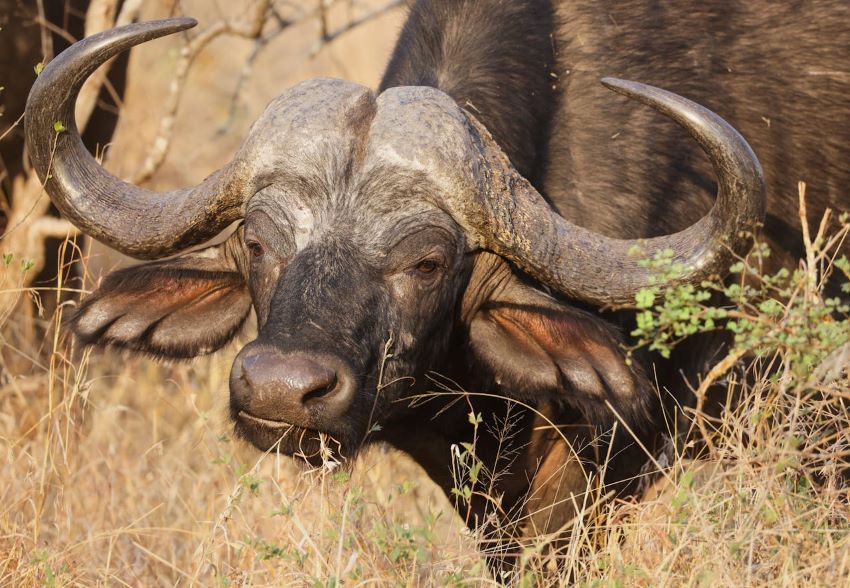
Cape buffalo (Syncerus caffer) account for approximately 200 human fatalities annually in Africa, making them deadlier to hunters than lions and elephants combined. Unlike predators that typically avoid humans, these 1,500-pound bovines will actively seek confrontation when threatened. What makes them exceptionally dangerous is their combination of intelligence, aggression, and herd coordination – traits that have earned them the nickname “Black Death” among professional hunters.
Key lethal behaviors include:
- Countercharging: 67% of attacks occur when hunters are tracking wounded animals
- Strategic ambushes: Using wind direction to mask approach routes
- Memory retention: Documented cases of recognizing hunters years later
Mr.Owl’s perspective:

The Anatomy of a Buffalo Attack: How They Kill Hunters
Buffalo attacks follow disturbing patterns that explain their high fatality rate. After absorbing initial gunshots (often requiring multiple hits from .375+ caliber rifles), they employ three primary killing methods:
- Goring: Upward horn thrusts targeting abdomen/thorax with surgical precision
- Trampling: 1,800psi stomping force to crush prone victims
- Tree ramming: Toppling shelter trees up to 8″ diameter
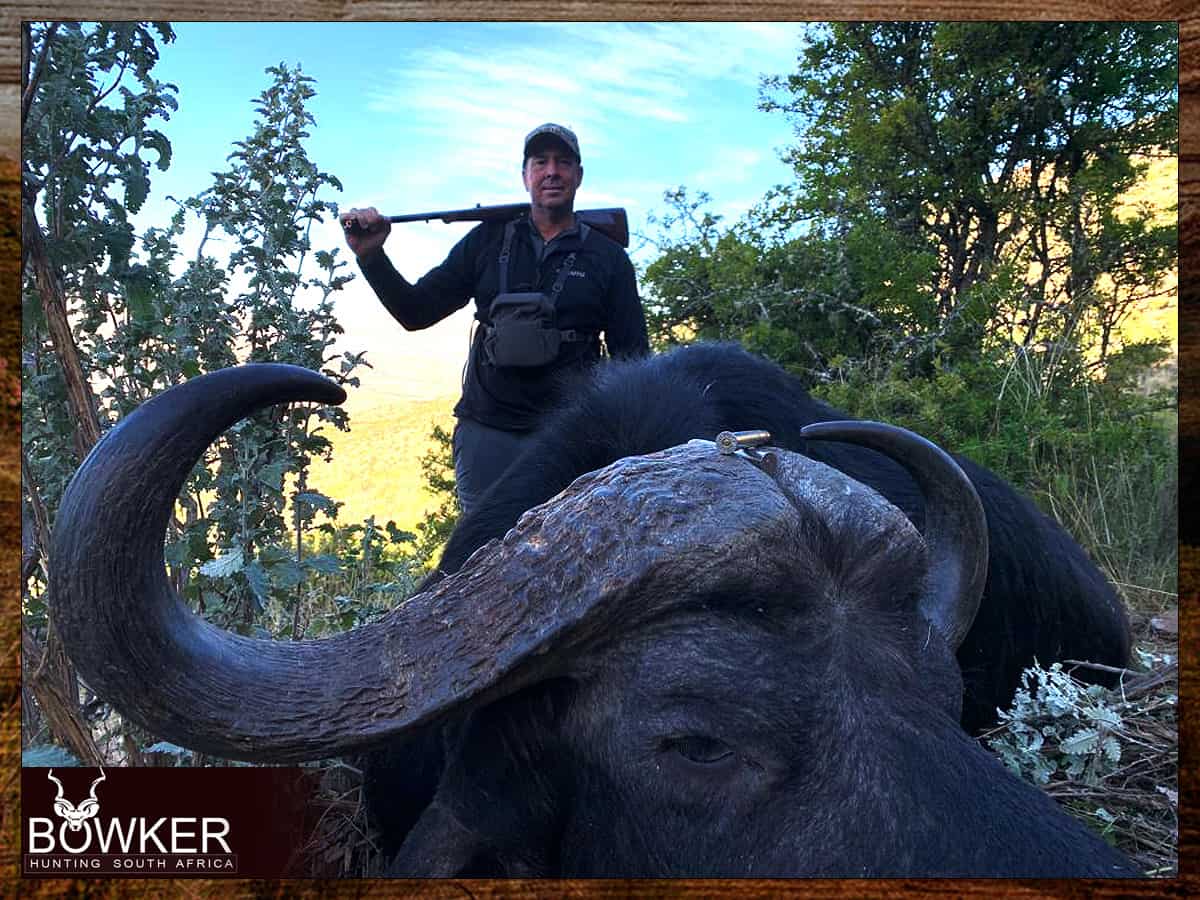
A 2025 study of 147 attack survivors revealed that 83% of fatal incidents occurred when hunters assumed the animal was dead or fleeing. Unlike elephants that typically charge once, buffalo will pursue for miles and have been documented waiting hours to ambush medical responders.
Mr.Owl’s warning:
Cape Buffalo vs. Other Dangerous Game: The Fatality Statistics
| Animal | Annual Hunter Fatalities | Attack Survival Rate |
|---|---|---|
| Cape Buffalo | 200+ | 42% |
| Lion | 35-50 | 68% |
| Elephant | 80-100 | 57% |
| Hippopotamus | 500+ | 91%* |
*Higher survival rate because most hippo victims aren’t hunters. Buffalo specifically target armed humans with coordinated attacks.
Mr.Owl’s analysis:
Why Buffalo Kill More Hunters Than Hippos
Despite hippos causing more total deaths, buffalo attack hunters at 15x the rate due to:
- Selective aggression: Specifically target humans with firearms
- Hunting scenarios: Wounded animals become hyper-aggressive
- Herd mentality: Multiple buffalo will join an attack
The Economics of Cape Buffalo Hunting
Comparative costs for dangerous game hunts in Africa:
| Species | Minimum Cost | Success Rate |
|---|---|---|
| Cape Buffalo | $5,300 | 92% |
| Lion | $45,000 | 76% |
| Elephant | $80,000+ | 85% |
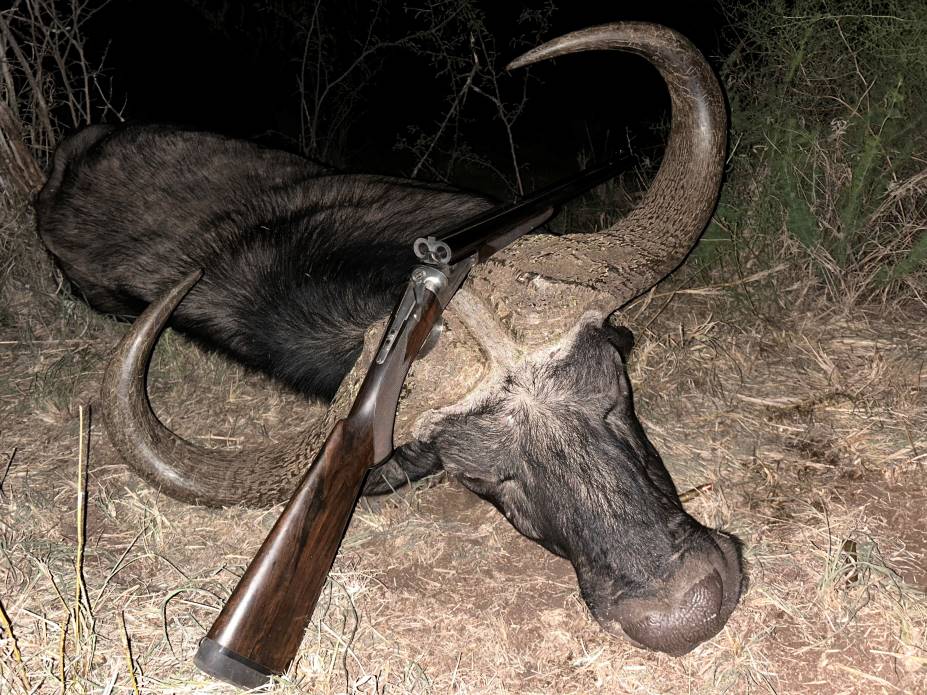
The “affordability” of buffalo hunts contributes to their danger – inexperienced hunters can legally pursue them with minimal preparation. Some outfitters even offer package deals combining buffalo with less dangerous plains game.
Mr.Owl’s critique:
Essential Gear for Hunting Africa’s Black Death
Firearms Selection
Minimum vs recommended buffalo rifle specifications:
| Parameter | Minimum | Recommended |
|---|---|---|
| Caliber | .375 H&H | .416 Rigby |
| Muzzle Energy | 4,000 ft-lbs | 5,300+ ft-lbs |
| Ammo Type | Soft-point | Solid monolithic |
Professional hunters universally recommend carrying a backup firearm – many fatalities occur during primary weapon malfunctions.
Survival Equipment
- Medical: Combat-grade tourniquets (not sports models)
- Protection: Kevlar-lined chaps for leg protection
- Communications: Satellite phone with emergency GPS beacon
Mr.Owl’s gear tip:
Ethical Considerations in Buffalo Hunting
The controversial practice raises several moral questions:
- Conservation impact: Buffalo populations remain stable at 400,000+
- Economic benefit: Hunting generates $75M annually for rural African communities
- Safety concerns: 60% of victims are local guides/trackers
Modern regulations require hunters to:
- Pass marksmanship tests (80% hit rate on moving targets)
- Carry €50,000+ emergency medical insurance
- Hunt with licensed professional guides

Mr.Owl’s final thought:
Comments