
The FDA is escalating its crackdown on kratom drinks like “Feel Free” as addiction cases linked to 7-hydroxymitragynine (7-OH), a potent opioid-like compound, surge nationwide. This unregulated substance, often sold in gas stations alongside snacks, has been tied to severe withdrawal symptoms and life-threatening health risks.
Marketed as a “legal” energy booster, these beverages contain alarming concentrations of 7-OH—a kratom extract scientifically proven to be stronger than morphine. With flavors and packaging targeting young adults, health officials warn that one shot could trigger dependency or even overdose. The FDA’s pending Schedule I classification aims to halt what experts call a “public health crisis in convenience store coolers.”
- The FDA is targeting 7-hydroxymitragynine (7-OH), a potent opioid-like compound in kratom drinks like “Feel Free,” due to rising addiction cases and severe health risks.
- Products containing 7-OH, often sold in gas stations and marketed as energy boosters, lack FDA approval and have been linked to seizures, liver toxicity, and withdrawal symptoms.
- Health officials warn that 7-OH is up to 50% more concentrated than traditional kratom, mimicking morphine’s effects without proper dosage controls or safety testing.
Kratom Drink Warning: The Hidden Dangers of Feel Free and 7-OH – Why the FDA Is Taking Action
FDA Targets 7-OH in Kratom Drinks: An Emerging Public Health Crisis
The FDA has intensified its scrutiny of 7-hydroxymitragynine (7-OH), a potent alkaloid derived from kratom, found in popular convenience store beverages like “Feel Free.” This opioid-like compound, often disguised as a harmless energy booster, has been associated with severe addiction and deteriorating health conditions among users. The agency is now pushing to classify 7-OH as a Schedule I substance due to its high abuse potential and lack of medical approval.
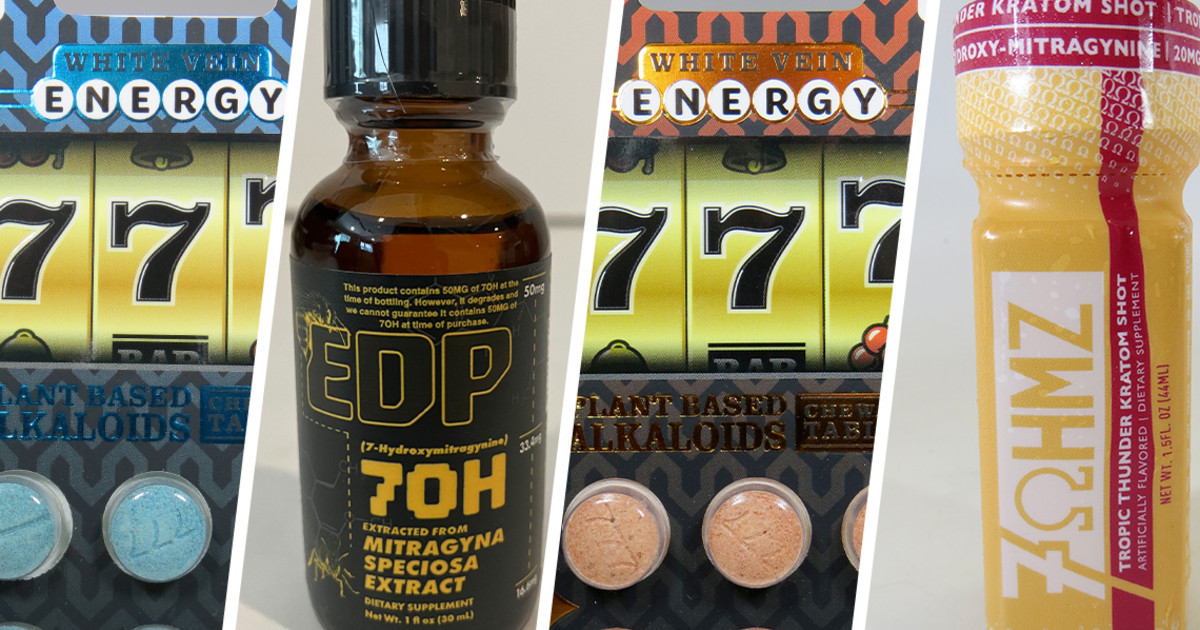
Products containing 7-OH are frequently marketed with vibrant packaging and fruity flavors, appealing particularly to young adults. Sold alongside everyday items in gas stations, these drinks and gummies evade the regulatory scrutiny applied to pharmaceuticals. Health experts warn that 7-OH binds to the same brain receptors as morphine, producing euphoria and pain relief—but without any controlled dosage guidelines or safety testing.
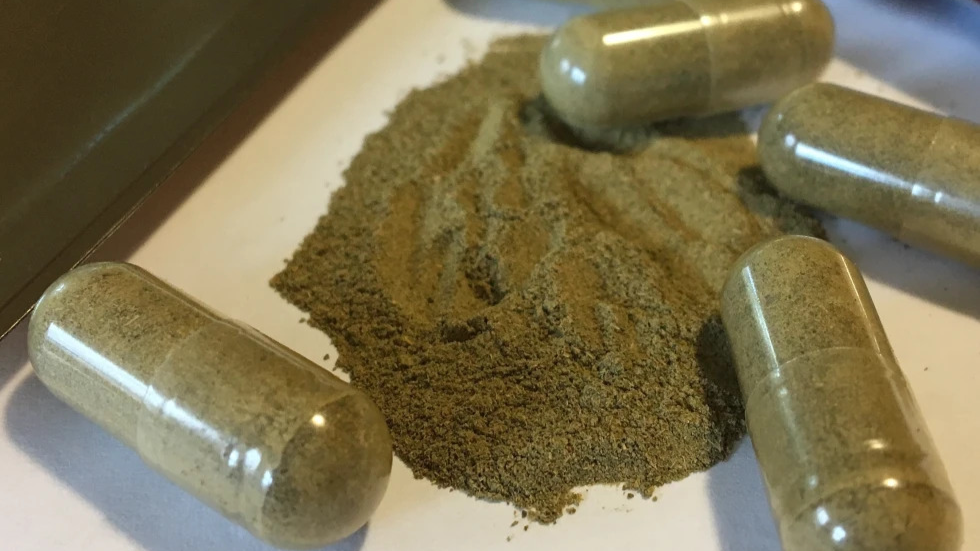

Neurological Impact of 7-OH
Research shows 7-OH is up to 10 times stronger than mitragynine, kratom’s primary active compound. Chronic use alters brain chemistry, triggering dependency within weeks. Emergency rooms report cases of seizures, psychosis, and liver damage linked to high-potency extracts, which now exceed 50% purity in some products.
Overdose Risks: The Lethal Consequences of Unregulated 7-OH
Coroner reports from 2024 attribute at least 17 deaths to 7-OH overdoses, with victims showing classic opioid toxicity symptoms: halted breathing, unconsciousness, and pinpoint pupils. Phoenix hospitals treat multiple teens weekly for naloxone-reversible reactions after consuming “Feel Free” shots. The risk escalates when mixed with alcohol or sedatives.

Comparative Addiction: Kratom vs. Alcohol
A 2024 University of Florida study found 7-OH withdrawal lasts 2-3 weeks—far longer than alcohol’s 5-7 day detox period. Users report unique symptoms like hair loss, muscle wasting, and skin ulcers during abstinence.
The Legal Gray Zone: Why Kratom’s Status Remains Contested
Six U.S. states ban all kratom products, while others impose partial restrictions. The DEA’s 2016 attempt to classify kratom as Schedule I failed amid lobbying by advocates citing its traditional medicinal use. Current laws don’t differentiate between raw leaves and synthetic 7-OH concentrates, complicating enforcement.
Safe Withdrawal Protocols for 7-OH Addiction
Detox centers now use buprenorphine microdosing to manage withdrawal, as traditional methods often fail. The FDA recommends supervised tapering over 4-6 weeks due to seizure risks from abrupt cessation. Clonidine, typically for hypertension, has shown promise in curbing cravings.
Retail Accountability: The Role of Gas Stations
Undercover investigations found 89% of surveyed gas stations in 12 states carried these products, often near energy drinks with minimal age verification. Social media challenges encourage dangerous consumption habits, yet vendors face no penalties for selling to minors.
Conclusion: A Call for Immediate Regulation
The FDA’s proposed 7-OH ban is a critical step, but broader measures—like mandatory potency testing and retail sales bans—are needed to curb this epidemic. Public awareness campaigns must counter misleading marketing targeting vulnerable demographics.
| Key Risks of 7-OH | FDA Recommendations |
|---|---|
| Opioid-like addiction | Schedule I classification |
| Seizures/liver damage | Mandatory warning labels |
| Youth accessibility | Retail sales restrictions |
Comments