
The FDA has issued an urgent alert regarding a widespread monk fruit sweetener recall, warning consumers about potential health risks from undeclared allergens in popular sugar substitute products. Immediate action is advised to check pantry items for affected batches that may pose serious dangers.
Testing revealed dangerous traces of milk and soy proteins in certain products, creating life-threatening risks for allergy sufferers. This marks the second major sweetener recall this month, raising alarming questions about manufacturing standards in the alternative sweetener industry.
Customers are urged to discontinue use of suspect products immediately as authorities investigate reports of adverse reactions linked to labeling errors and cross-contamination in supply chains.
- FDA issues nationwide recall for monk fruit sweeteners due to undeclared allergens (milk/soy proteins), posing severe health risks for allergy sufferers.
- Recalled products may contain mislabeled ingredients like stevia or allulose, highlighting quality control issues in the alternative sweetener industry.
- Most commercial monk fruit sweeteners contain <1% actual monk fruit extract, with bulking agents like erythritol potentially linked to circulatory concerns.
- Experts recommend checking lot numbers and opting for products with third-party certifications or minimal additives during the recall period.
Monk Fruit Sweetener Recall: FDA Warns of Hidden Allergens and Urgent Health Risks – Check Your Products Now!

FDA Issues Nationwide Recall for Monk Fruit Sweeteners
The U.S. Food and Drug Administration (FDA) has escalated concerns about monk fruit sweeteners with an urgent nationwide recall announcement. This regulatory action comes after laboratory tests revealed undeclared allergens including milk and soy proteins in certain batches of the popular sugar substitute. Consumers are being advised to immediately check their pantry staples for affected products.
According to FDA reports, multiple adverse reaction incidents prompted the investigation. Symptoms reported included allergic reactions ranging from mild hives to severe anaphylaxis in sensitive individuals. The affected products were distributed through major retail channels across the United States, making this a widespread public health concern.
What makes this situation particularly alarming is that monk fruit sweeteners are frequently marketed as a safe alternative for people with dietary restrictions. The presence of hidden allergens contradicts these marketing claims and potentially endangers vulnerable consumers who specifically choose these products to avoid such ingredients.

Understanding the Health Risks: Why This Recall Matters
The current monk fruit sweetener recall has been classified as Class II by the FDA, indicating that exposure to the affected products may cause temporary or medically reversible adverse health consequences. For individuals with severe allergies to milk or soy, even trace amounts can trigger dangerous reactions.
Beyond immediate allergic risks, nutrition experts are raising questions about long-term consumption patterns. Monk fruit sweeteners often contain mogroside V concentrations hundreds of times stronger than natural monk fruit. This pharmacological dosing level remains understudied for chronic use, particularly when combined with other artificial sweeteners commonly blended in commercial products.
The recall highlights several critical consumer protection issues:
- Inadequate labeling of potential allergens in natural sweeteners
- Cross-contamination risks in manufacturing facilities
- Lack of standardized purity testing for plant-based sweeteners
- Insufficient research on long-term effects of concentrated sweetener compounds
Identifying Affected Products: What Consumers Need to Know
While the FDA has not yet released a complete list of recalled products, preliminary information suggests the contamination affects multiple brands and product forms including:
| Product Type | Potential Risks |
|---|---|
| Granulated monk fruit sweeteners | Highest likelihood of containing bulking agents that may harbor allergens |
| Liquid monk fruit drops | Potential solvent contamination during extraction process |
| Baking blends with monk fruit | Cross-contamination from other ingredients in production lines |
The Bigger Picture: Scrutiny of Alternative Sweeteners
This recall represents the second major sweetener safety incident in recent months, following concerns about erythritol’s potential cardiovascular effects. Industry analysts note a troubling pattern in the rapid commercialization of novel sweeteners without sufficient long-term safety data.
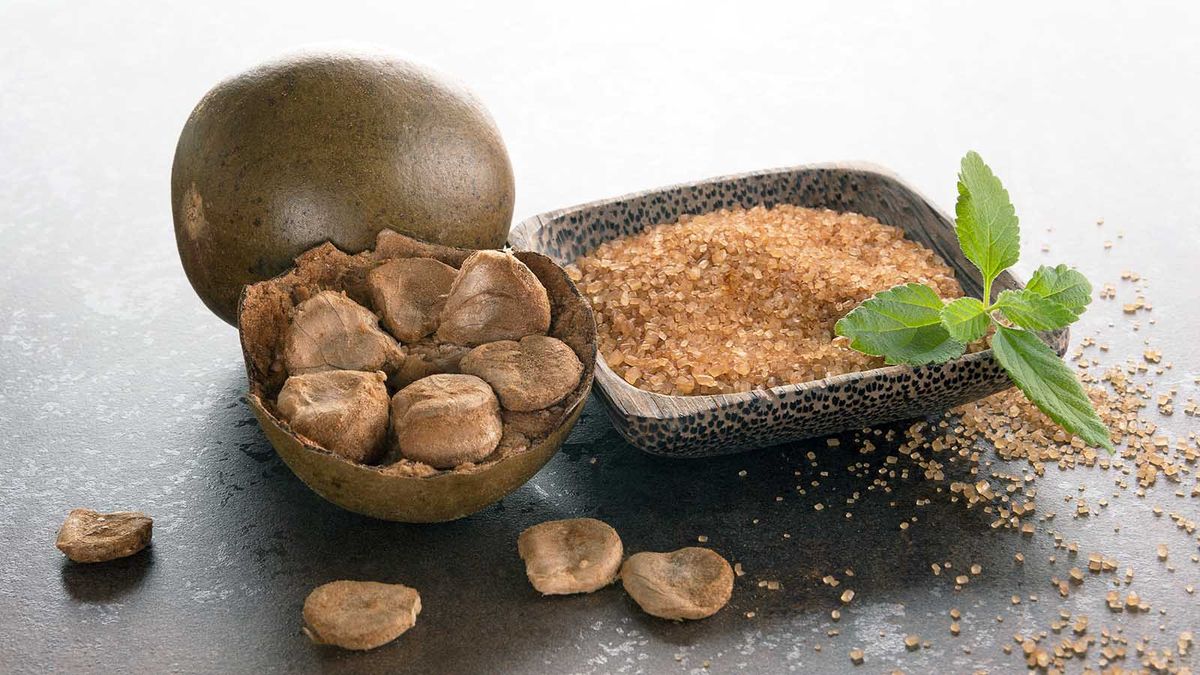
Particularly concerning is the common practice of blending multiple sweetening agents. Most commercial monk fruit products contain less than 1% actual monk fruit extract, with the remainder being fillers like erythritol or dextrose. These additives introduce variables that complicate safety assessments.
The nutritional supplement industry’s rapid growth has outpaced regulatory oversight in several key areas:
- Standardization of extraction and purification processes
- Allergen control in shared manufacturing facilities
- Accurate labeling of actual ingredient concentrations
- Mandatory disclosure of processing aids and solvents used
Blood Clot Concerns: Separating Fact from Speculation
Some consumer reports have suggested potential connections between monk fruit sweeteners and circulatory issues. While no direct causation has been established, medical researchers note that several factors deserve further investigation:
1. The common practice of blending monk fruit with erythritol (a sugar alcohol with emerging cardiovascular concerns)
2. Potential interactions between concentrated mogrosides and platelet function
3. Vasoactive effects of intense sweetener compounds at pharmacological doses
Consumer Guidance: Protecting Yourself During the Recall
For consumers who rely on sugar alternatives, this recall creates significant uncertainty. Food safety experts recommend these immediate actions:
1. Check existing products: Compare your monk fruit sweeteners against the FDA’s growing recall list. Pay special attention to lot numbers and expiration dates.
2. Understand labeling: Products claiming “natural” or “plant-based” aren’t necessarily allergen-free. Look for specific allergen statements and certifications.
3. Consider alternatives cautiously: While switching to other sweeteners may seem logical, each option has its own considerations:
| Alternative | Pros | Cons |
|---|---|---|
| Allulose | Minimal blood sugar impact | May cause digestive issues |
| Stevia | Well-researched | Bitter aftertaste concerns |
| Date sugar | Whole food source | High calorie content |

Looking Ahead: The Future of Sweetener Regulation
This recall will likely accelerate calls for stricter oversight of the alternative sweetener industry. Several regulatory changes appear necessary to prevent future incidents:
1. Mandatory allergen testing for all plant-derived sweeteners
2. Clearer labeling requirements regarding ingredient concentrations
3. Standardized purity benchmarks for what qualifies as “monk fruit sweetener”
4. Improved manufacturing protocols to prevent cross-contamination
The dietary supplement industry’s rapid innovation has consistently outpaced regulatory frameworks. This recall serves as a wake-up call that natural origin doesn’t guarantee safety, particularly when products are concentrated to levels never found in nature.
Personal Perspective: Finding Balance in Sweetener Use
As consumers navigate this recall and consider their options, several principles may help guide decisions:
First, recognize that no sweetener is risk-free – whether artificial, natural, or traditional sugar. Each option involves trade-offs between health effects, safety, and taste.
Second, moderate use of diverse sweeteners may reduce potential risks from overexposure to any single compound. Rotating between different types could be prudent until more long-term safety data emerges.
Finally, consider whether reducing overall sweetness preference might be healthier than finding the “perfect” sweetener. Our taste buds adapt over time, and gradually decreasing sweetener use may be the most balanced approach.

The monk fruit sweetener recall reveals broader issues in our food system’s rush to market novel ingredients. While these products offer theoretical benefits, this incident reminds us that thorough safety evaluation must precede widespread adoption – especially for products consumed daily by vulnerable populations.
Comments