
The Labubu doll frenzy has escalated into a full-blown crime wave, with Southern California retailers reporting smash-and-grab thefts targeting these coveted collectibles. Originally $30 toys now command up to $1,000 on resale markets, creating prime targets for organized thieves and counterfeiters flooding markets with dangerous “Lafufu” fakes.
Celebrity endorsements and artificial scarcity have transformed these plush figures into luxury status symbols, with limited editions sparking midnight release riots and stores implementing jewelry-level security. As authorities warn about toxic knockoffs, collectors face mounting risks in this surreal toy gold rush.
- Labubu doll thefts are surging in Southern California, with criminals targeting stores due to their high resale value (up to $1,000 per doll).
- The craze is fueled by celebrity endorsements (e.g., Rihanna, Blackpink’s Lisa) and limited editions, creating artificial scarcity and black-market demand.
- Counterfeit “Lafufu” dolls flood the market; buyers must verify authenticity via QR codes, UV stamps, and material quality to avoid scams.
- Retailers are adopting extreme security measures, including facial recognition and RFID tracking, to protect Labubu inventory.
- Experts warn the collectible market is volatile, comparing it to cryptocurrency, with prices driven by social media hype rather than intrinsic value.
Labubu Doll Theft Epidemic: The Shocking Value of These Collectibles & How to Avoid Fake Lafufu Scams
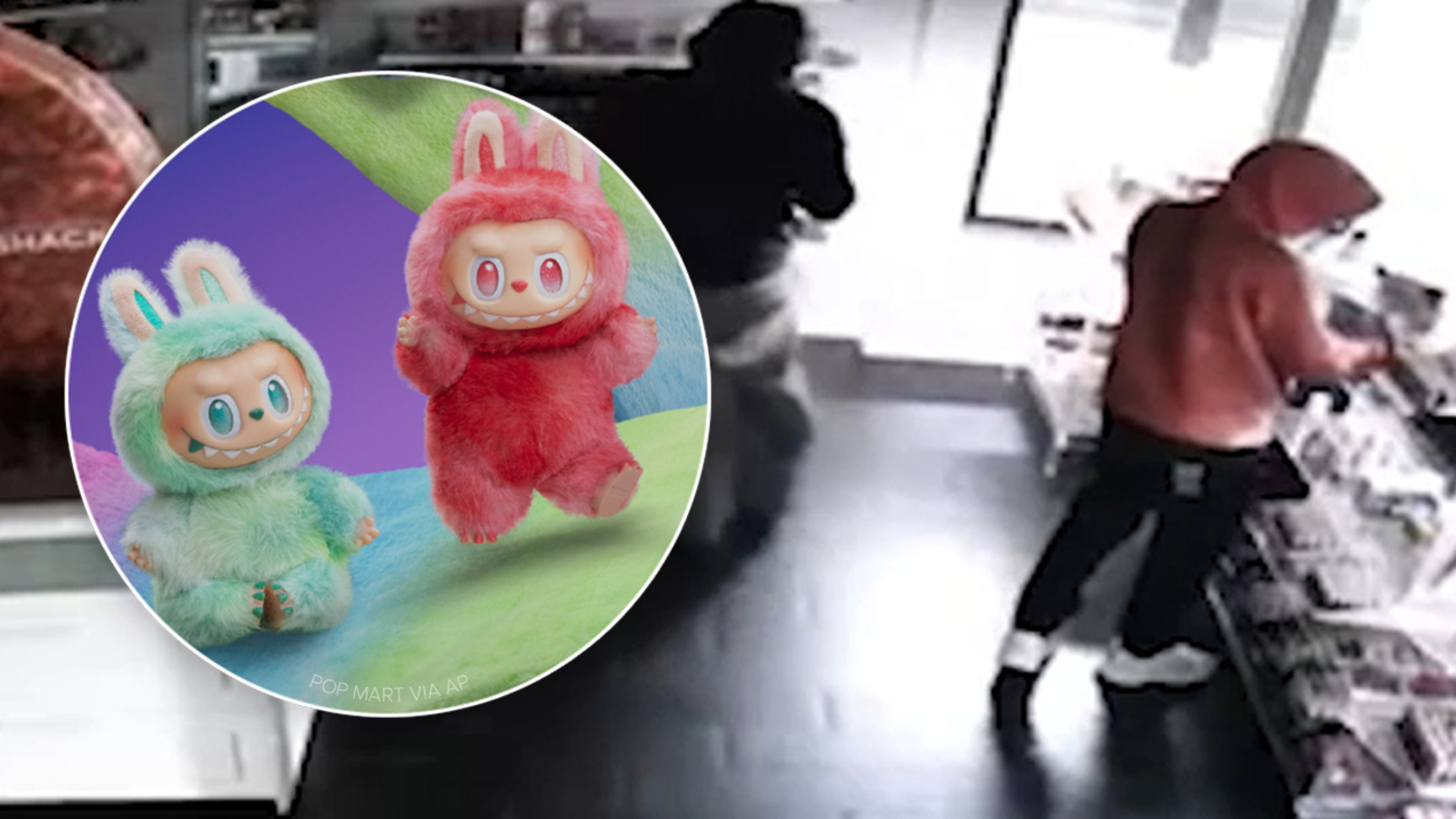
The Surging Criminal Demand for Labubu Dolls
Southern California has become ground zero for a bizarre crime wave targeting Labubu dolls, with retailers reporting coordinated smash-and-grab thefts. These adorable yet mischievous-looking collectibles from Chinese company Pop Mart are disappearing from shelves faster than stores can restock them, creating a booming black market.
Organized theft rings are specifically targeting limited edition variants, with some stolen merchandise valued at over $10,000 per haul. Police reports indicate these aren’t random crimes but carefully planned operations targeting the most valuable dolls. The phenomenon has spread beyond California, with similar incidents reported in New York, London, and Tokyo.
What makes these crimes particularly shocking is the items being stolen aren’t jewelry or electronics, but plush toys originally retailing for $20-30. The transformation from children’s plaything to high-value collector’s item has created perfect conditions for this unprecedented theft epidemic.

Why Thieves Risk Jail for Plush Toys
- Rare variants resell for 50x retail price within hours
- No serial numbers make stolen goods hard to trace
- Global collector base creates instant resale opportunities
- Lower security than traditional high-value targets
Understanding Labubu’s Meteoric Market Value
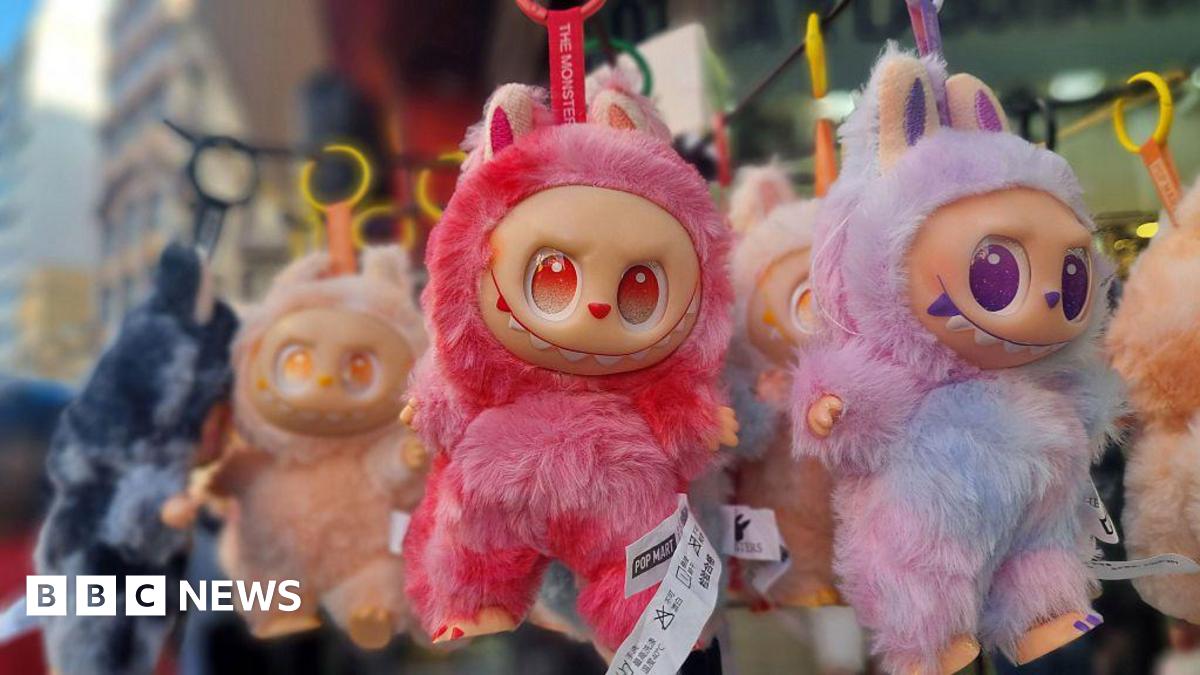
The Labubu phenomenon represents a perfect storm of collectibility factors converging to create unprecedented value. Originally conceived as cute characters for blind box mystery toys, certain variants have become status symbols among millennial and Gen Z collectors.
Celebrity endorsements from figures like Rihanna and Blackpink’s Lisa sent demand into the stratosphere, with some fans willing to pay astronomical sums for rare editions. The most coveted “Skull Panda” variant recently sold at auction for $15,000 – more than many luxury handbags.
This market frenzy has created a self-perpetuating cycle. As prices rise, media coverage increases, drawing more collectors into the market and driving prices higher still. The result is an inflationary spiral that shows no signs of slowing.
| Labubu Type | Retail Price | Resale Value |
|---|---|---|
| Standard Edition | $29.99 | $50-100 |
| Limited Edition | $59.99 | $500-1,500 |
| Celebrity-Owned | N/A | $5,000-15,000 |
The Dangerous Rise of Lafufu Counterfeits
As demand outpaces legitimate supply, counterfeit operations have flooded the market with “Lafufu” fakes – low-quality imitations often containing hazardous materials. Recent raids uncovered factories producing thousands of fake Labubus using toxic dyes and substandard stuffing.
These counterfeit operations frequently have ties to organized crime syndicates exploiting the collectibles boom. Authorities warn that fake dolls may contain lead, phthalates, and other dangerous chemicals, posing serious health risks to unsuspecting buyers, especially children.
Identifying authentic Labubu dolls requires careful inspection of several key features:
- Precision stitching with no loose threads
- Nine distinctive teeth in the characteristic grin
- Matte-finished packaging with tamper-proof seals
- QR code linking to Pop Mart’s authentication system
Recent Counterfeit Busts
- UK: £2.3 million in fake Labubus seized in Cardiff
- USA: 5,000 counterfeit units intercepted at LAX
- China: 12 factories shut down in Guangdong province
Protecting Yourself From Labubu Scams

With both theft and counterfeiting running rampant, collectors need to take precautions when purchasing Labubu dolls. Follow these guidelines to avoid becoming a victim:
Purchase only from authorized retailers like Pop Mart’s official stores or verified partners. Be wary of third-party sellers offering “too good to be true” prices on rare variants. These are often stolen goods or sophisticated fakes.
When buying online, insist on video verification of the product showing all authentication marks. Reputable sellers will happily provide this documentation. Never purchase from sellers who refuse to show the product outside its packaging.
Red Flags for Scams
- Prices significantly below market value
- Sellers unwilling to provide detailed photos
- No original packaging or certificates
- Pressure to complete transactions quickly
The Future of Labubu Collecting
As security measures tighten and counterfeit operations face crackdowns, the Labubu market is at a crossroads. Some experts predict a market correction as supply catches up with demand, while others believe the brand has established long-term collectible status.
Pop Mart has announced plans to increase production of popular variants while maintaining artificial scarcity for special editions. They’re also implementing blockchain authentication to combat counterfeits – a system that could revolutionize the collectibles market if successful.
The next year will determine whether Labubu becomes a lasting cultural phenomenon or a cautionary tale about collectible bubbles. Either way, the story of how a cute plush character became the center of a global collecting craze – and criminal enterprise – will be studied for years to come.
Key Trends to Watch
- Expansion into digital collectibles and NFTs
- More celebrity collaborations driving demand
- Tighter security at retail locations
- Potential market regulation
Comments