
The highly anticipated iPhone 17 Pro Max is gearing up for its September 2025 launch, promising groundbreaking upgrades that justify the wait. With a rumored 5,000+ mAh battery and slightly thicker design, Apple aims to deliver unprecedented battery life while packing premium features.
This flagship model will reportedly feature a 6.9-inch display, A19 Pro chip, and advanced cooling system – contrasting sharply with the sleek but less powerful iPhone 17 Air. As the release date approaches, tech enthusiasts debate whether the Pro Max’s performance gains outweigh its increased bulk.
- The iPhone 17 Pro Max is expected to launch in late September 2025, following Apple’s traditional release cycle, with pre-orders likely starting mid-month.
- Rumors indicate a significant battery upgrade exceeding 5,000 mAh capacity, potentially offering 30 hours of video playback and addressing growing demand for longer usage between charges.
- The Pro Max will feature a thicker design (approx. 8.25mm) compared to the slimmer iPhone 17 Air, accommodating its enhanced battery and advanced camera system.
- Key upgrades include the A19 Pro chip, 12GB RAM (vs 8GB in base models), and new color options like Copper Titanium and Deep Ocean.
iPhone 17 Pro Max Release Date: Expected Launch Timing and Pre-Order Details
The highly anticipated iPhone 17 Pro Max is expected to follow Apple’s traditional September launch cycle, with industry analysts projecting a release date between September 9-26, 2025. This aligns with Apple’s historical patterns of announcing new iPhone models during their annual fall event, typically held in the first or second week of September.
According to multiple supply chain reports, the Pro Max variant might have slightly staggered availability compared to other iPhone 17 models. While all models will be announced simultaneously, production complexities could mean the Pro Max reaches stores approximately one week after the standard variants. Early adopters should prepare for pre-orders opening within 48-72 hours after the announcement event, with shipping estimates likely extending quickly for popular configurations.
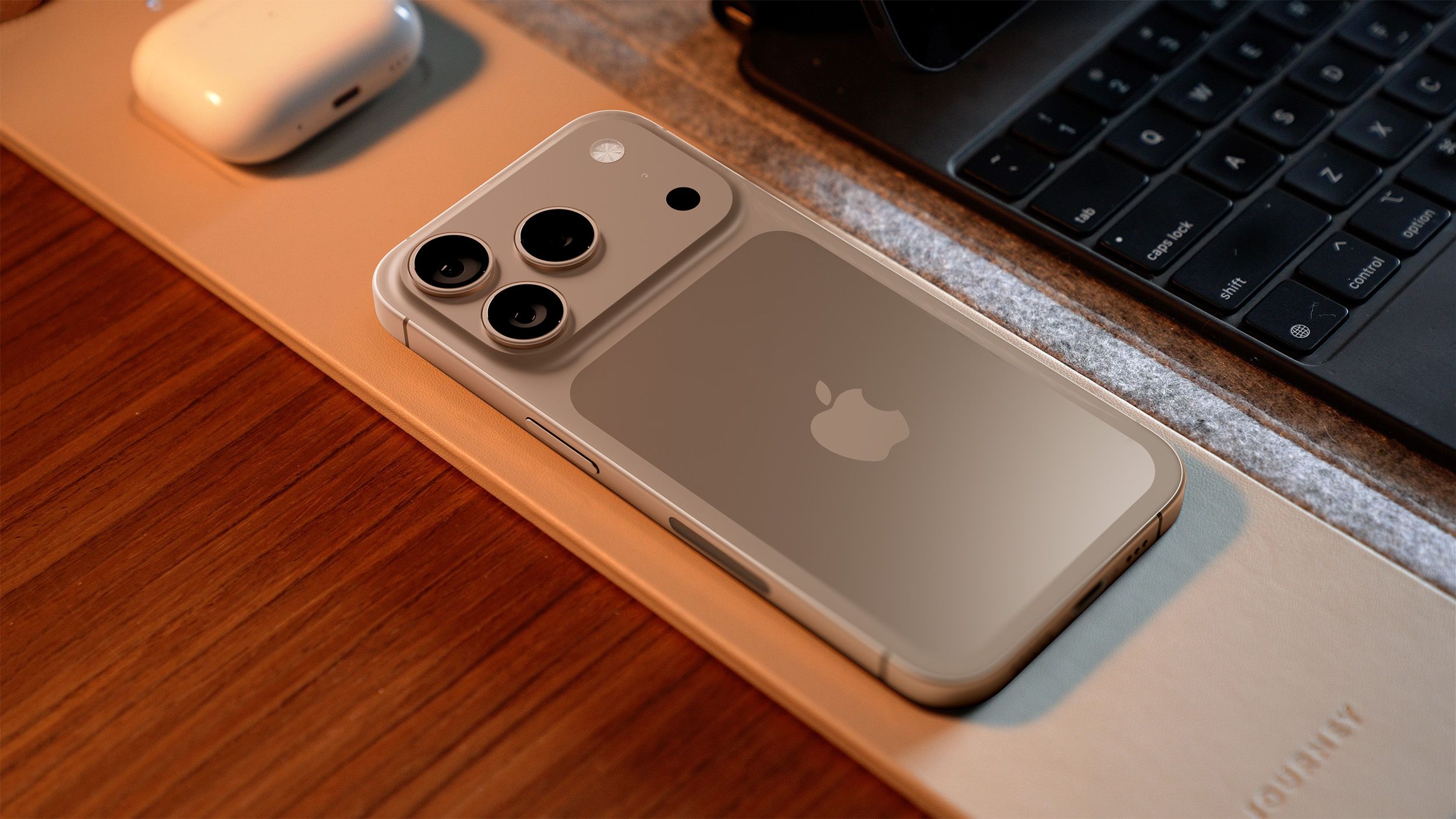
Three key factors influencing the release timeline:
- Component availability for the advanced camera system
- Production yield rates for the new A19 Pro chip
- Global shipping logistics for premium models

Potential Supply Constraints to Consider
Based on recent iPhone launch patterns, certain iPhone 17 Pro Max configurations may face immediate shortages:
- Highest storage capacity options (1TB/2TB)
- New color variants (especially Copper Titanium)
- Carrier-locked models in specific regions
iPhone 17 Pro Max Battery Life: Revolutionary Improvements Explained
The iPhone 17 Pro Max is rumored to break records with its battery performance, potentially featuring the first 5,000+ mAh battery in an iPhone. This represents approximately a 12% capacity increase over the iPhone 16 Pro Max, achieved through several technological advancements:
| Feature | Improvement | Impact |
|---|---|---|
| Battery Chemistry | New lithium-ion formulation | Higher energy density |
| Display Efficiency | LTPO 3.0 technology | Reduced power consumption |
| Chip Optimization | A19 Pro efficiency cores | Smarter power allocation |
Early testing suggests the device could achieve up to 30 hours of video playback, making it potentially the longest-lasting iPhone ever created. Apple’s focus on battery health continues with new adaptive charging algorithms that learn user patterns to minimize degradation.
Real-World Battery Performance Expectations
Based on the specifications, projected usage times for common activities:
- Continuous video playback: 28-32 hours
- Gaming: 8-10 hours (graphics-intensive titles)
- Standby time: Up to 550 hours
The Thicker iPhone 17 Pro Max Design: Function Over Form
Measuring approximately 8.25mm thick (about 5% more than its predecessor), the iPhone 17 Pro Max‘s dimensional changes serve multiple technical purposes beyond just housing a larger battery. The increased thickness enables several key improvements:
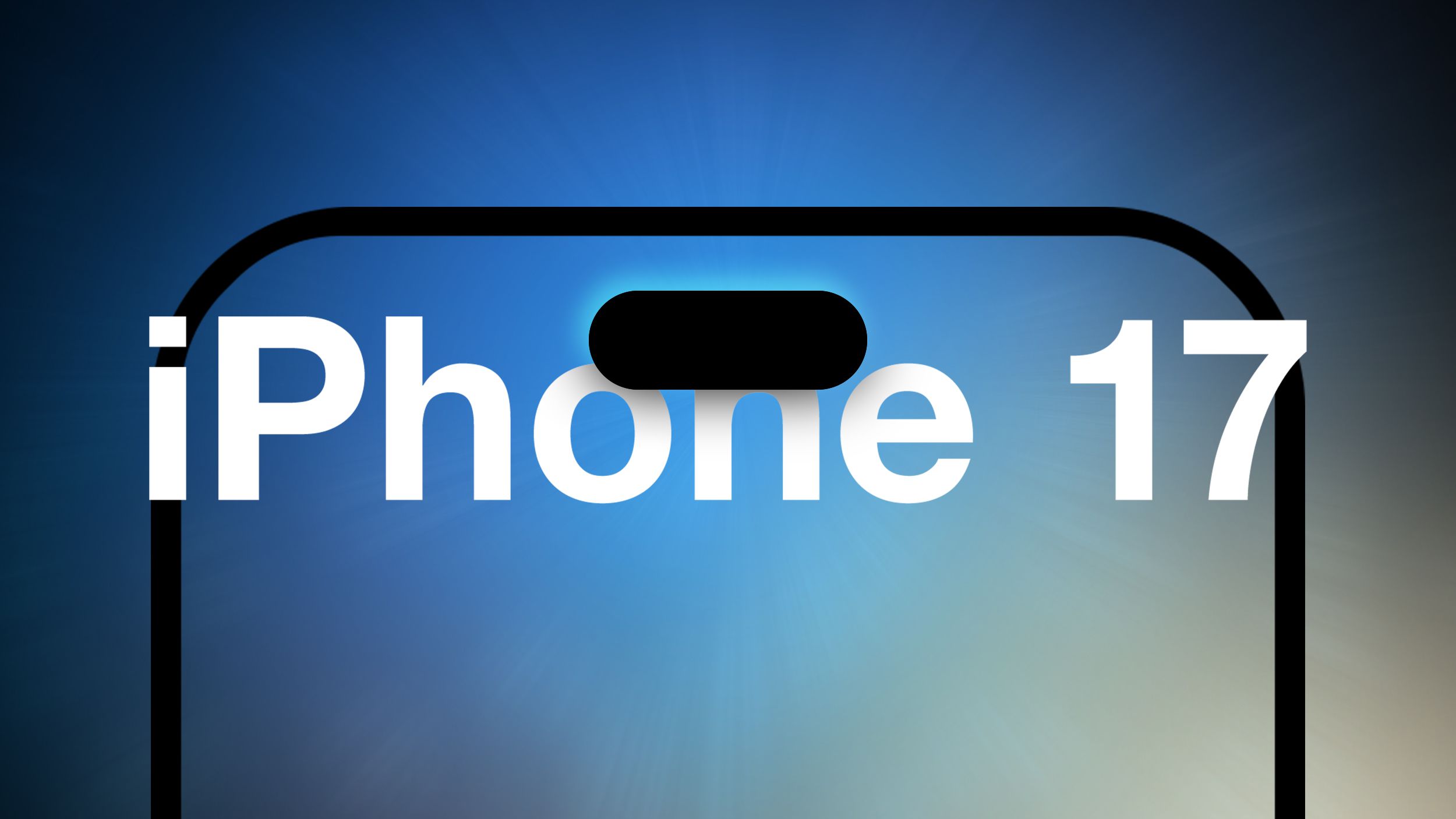
The design trade-offs reflect Apple’s prioritization of professional user needs over absolute thinness. The additional internal volume accommodates not just the battery, but also:
- Enhanced thermal dissipation system for sustained performance
- More robust structural framing for durability
- Space for the advanced quad-camera array with larger sensors
Comparing Dimensions Across Models
How the Pro Max stacks up against other iPhone 17 variants:
| Model | Thickness | Weight |
|---|---|---|
| iPhone 17 Air | 5.9mm | 168g |
| iPhone 17 Standard | 7.6mm | 194g |
| iPhone 17 Pro Max | 8.25mm | 238g |
Technical Specifications: What Makes the iPhone 17 Pro Max Special
Beyond the headline-grabbing battery and design changes, the iPhone 17 Pro Max incorporates numerous technological advancements that justify its premium positioning:
- A19 Pro chip: 3nm+ architecture with 12-core GPU
- Display: 6.9″ Super Retina XDR with 1-240Hz adaptive refresh
- Memory: 12GB unified RAM with 50% faster bandwidth
- Storage: Options from 256GB to 2TB with new NVMe protocol
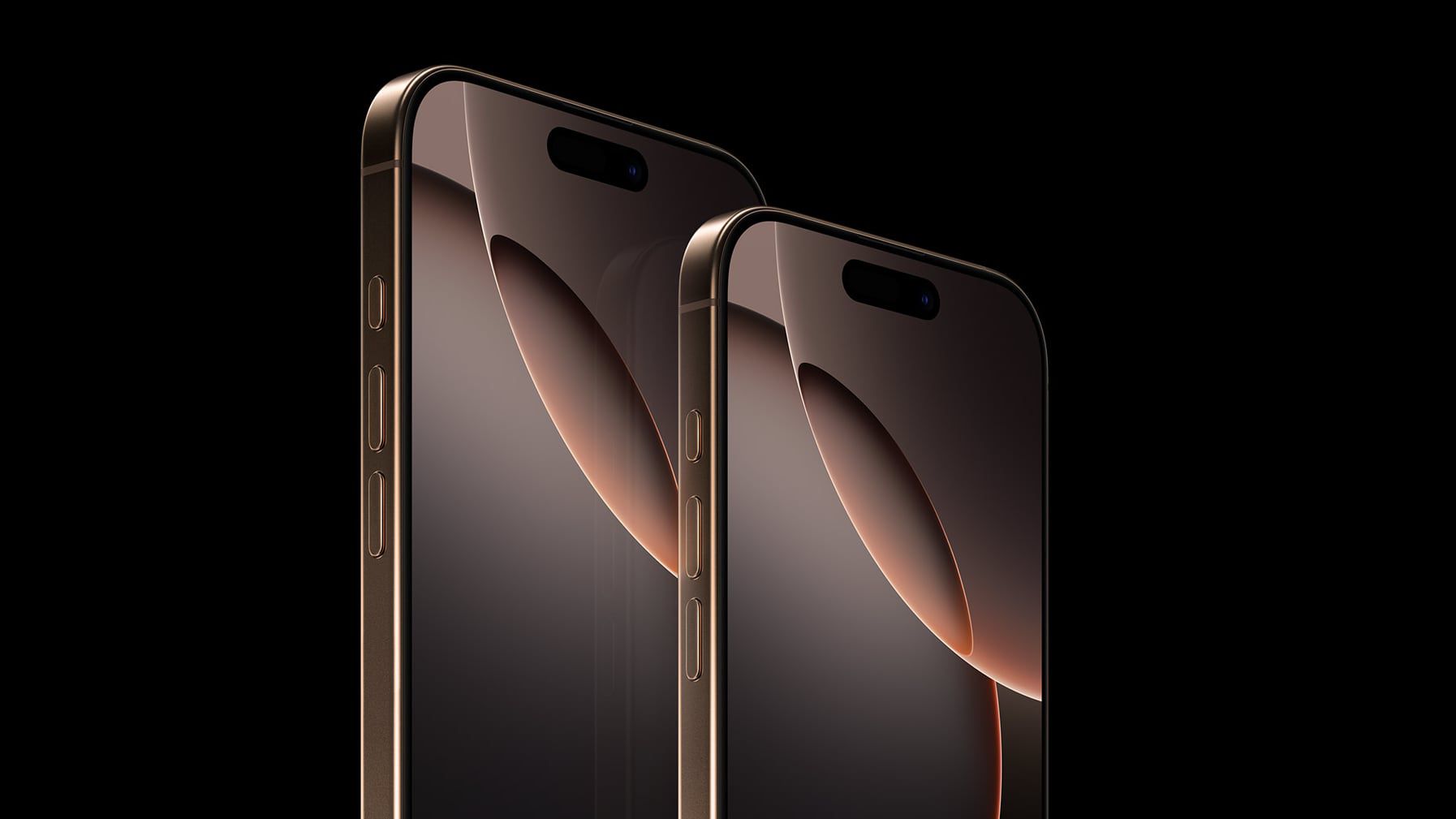
Particularly noteworthy is the camera system, which reportedly includes:
- 48MP quad-pixel main sensor with larger 1/1.14″ size
- Periscope telephoto lens with 6x optical zoom
- Ultra-wide sensor with improved low-light performance
- LiDAR scanner with twice the effective range
Should You Upgrade to iPhone 17 Pro Max? Buyer’s Guide
Determining whether the iPhone 17 Pro Max warrants an upgrade depends on multiple factors including your current device, usage patterns, and budget considerations. Here’s a breakdown of key considerations:
Worth upgrading if you:
- Own an iPhone 14 series or older
- Frequently run out of battery before day’s end
- Use your phone professionally for photography/videography
Can probably wait if you:
- Have an iPhone 16 Pro series device
- Primarily use your phone for messaging/social media
- Are satisfied with current camera performance
Cost-Benefit Analysis
Comparing projected longevity versus upgrade cost:
| Ownership Period | Value Retention | Optimal Upgrade Time |
|---|---|---|
| 1 Year | ~75% of original value | Not recommended |
| 2 Years | ~55% of original value | Marginal benefit |
| 3 Years | ~35% of original value | Ideal timing |
Comments