
As speculation mounts about potential leadership changes at the Federal Reserve, homebuyers nationwide are anxiously watching how mortgage rates may shift. President Trump’s push for a more dovish Fed chair could trigger significant rate cuts, offering relief to struggling buyers in an unaffordable housing market.
Experts warn that political interference could destabilize markets, creating unpredictable swings in borrowing costs despite short-term benefits. The coming months will test whether new leadership brings lasting solutions or added volatility to the mortgage landscape.
With rates currently hovering near historic highs, the Fed’s next moves could determine affordability for millions of Americans seeking homeownership in 2025 and beyond.
- A dovish Fed chair appointed by Trump could lower mortgage rates by 0.5% or more within months, significantly improving housing affordability through accelerated rate cuts.
- Political pressure on the Fed creates market volatility, with potential mortgage rate spikes during leadership transitions, adding risk premiums that hurt homebuyers.
- The Lisa Cook controversy highlights growing threats to Fed independence, which could lead to unstable monetary policy and unpredictable mortgage rate fluctuations.
Will Trump’s New Fed Chair Lower Mortgage Rates? Expert Predictions on Rate Cuts & Housing Market Impact

The Federal Reserve leadership transition under President Trump has become a pivotal concern for homebuyers and economists alike. Mortgage rates have remained stubbornly high throughout 2025, with the average 30-year fixed rate mortgage hovering around 6.75% as of August. This persistent elevation in borrowing costs has strained housing affordability to levels not seen since the 2008 financial crisis.
The Fed chair appointment process has taken on unprecedented political dimensions, with Trump publicly criticizing current Chair Jerome Powell for maintaining what he calls “unnecessarily restrictive” monetary policy. This tension creates unusual uncertainty for mortgage markets, as lenders typically prefer stable, predictable monetary policy when setting long-term rates.

The Direct Connection Between Fed Leadership and Your Mortgage
Many borrowers don’t realize how directly Federal Reserve policy influences their mortgage payments. The Fed controls the federal funds rate, which serves as the baseline for all other interest rates in the economy. When the Fed raises or lowers this benchmark, commercial banks adjust their prime rates accordingly, which then trickles down to mortgage products.
Current market expectations suggest:
- 50% chance of 0.5% rate cut by December 2025 if dovish chair appointed
- 30% chance rates remain stable under current leadership
- 20% chance of further increases if inflation rebounds
Potential Fed Chair Candidates and Their Mortgage Rate Impact

Several names have emerged as potential successors to Jerome Powell, each with differing approaches to monetary policy that would affect mortgage rates differently:
Kevin Warsh: The Inflation Hawk
Former Fed Governor Warsh would likely maintain higher rates longer to combat inflation, potentially keeping mortgage rates elevated through 2026. His appointment might cause a temporary 0.25% spike in mortgage rates as markets price in his more restrictive approach.
Judy Shelton: The Wildcard
Shelton’s unorthodox views on monetary policy make her impact harder to predict. Some analysts believe she might push for rapid rate cuts that could lower mortgage rates by 1% or more within her first year, while others warn this approach risks reigniting inflation.
Timing Your Home Purchase Around Fed Transitions
The most critical period for homebuyers will be the 60-90 day window following any Fed leadership change. Historical data shows mortgage rates typically experience their maximum volatility during this period as markets react to:
- New chair’s initial public statements
- First FOMC meeting under new leadership
- Early economic data releases that may shape policy
Consider this recent historical comparison:
| Transition | Mortgage Rate Change | Timeframe |
|---|---|---|
| Bernanke to Yellen (2014) | -0.38% | First 3 months |
| Yellen to Powell (2018) | +0.92% | First 3 months |
Political Pressure on the Fed: Risks for Homebuyers
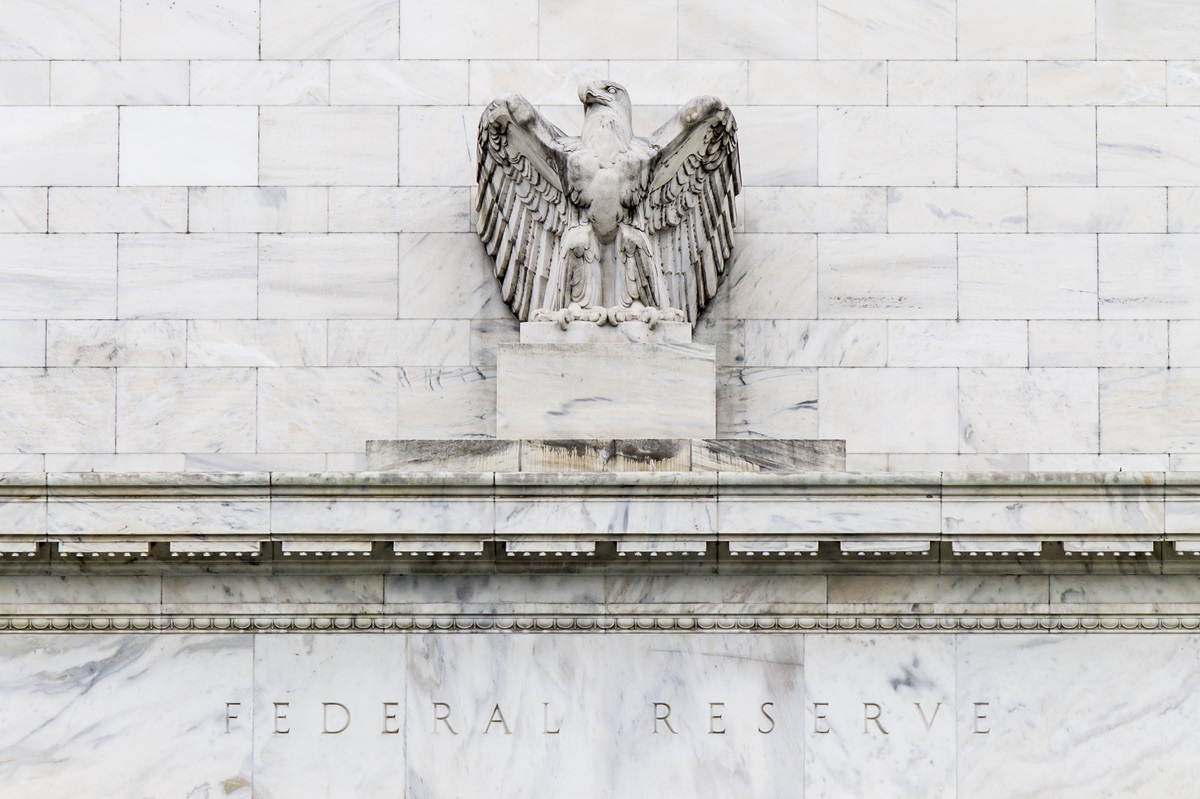
The recent scrutiny of Fed Governor Lisa Cook’s mortgage filings has raised concerns about political interference in what should be an independent monetary policy process. When markets perceive the Fed as bowing to political pressure rather than making data-driven decisions, lenders often add risk premiums to mortgage rates to account for increased uncertainty.
Key warning signs homebuyers should watch for:
- Unusual public statements from White House about monetary policy
- Sudden personnel changes at the Fed beyond normal transitions
- Divergence between Fed statements and economic data
Strategic Approaches for Homebuyers in Uncertain Times
Given the current uncertainty around Fed leadership and mortgage rates, prospective homebuyers should consider these protective strategies:
Rate Lock Options
Many lenders now offer extended rate locks (60-90 days) for a small premium that can protect against increases during volatile periods. Some even provide “float-down” options if rates improve before closing.
Alternative Loan Products
Adjustable-rate mortgages (ARMs) may make sense for buyers who don’t plan to stay in a home long-term, as they typically offer lower initial rates that adjust later based on market conditions.
The coming months will prove critical for both the housing market and monetary policy. While the Fed chair transition creates uncertainty, informed homebuyers who understand these dynamics can navigate the changing landscape to secure favorable mortgage terms regardless of political developments.
Comments