
Minneapolis faces a disturbing spike in gun violence, with recent shootings targeting schools and churches shaking community safety. Authorities are probing potential ties to the Native Mob gang, though concrete evidence remains elusive.
Three separate south Minneapolis attacks this week left multiple casualties, including fatal incidents near educational and religious institutions. Police maintain heightened visibility as investigations continue, while residents report growing unease despite official crime statistics showing a decline.
The violence highlights persistent gang recruitment and turf wars, with victims spanning ages and backgrounds. Experts warn the shift toward soft targets demands urgent security reassessments.
- Minneapolis is experiencing a surge in gang-related shootings, with recent attacks targeting schools and churches, including a fatal August 27 incident that left 2 dead and 20 injured.
- Authorities suspect Native Mob gang involvement due to graffiti patterns and social media activity, though no direct evidence has been confirmed.
- South Minneapolis accounts for 60% of the city’s shootings, with factors like poverty, liquor store density, and abandoned properties contributing to the violence.
- Schools and churches remain vulnerable despite increased security, with 11 firearms incidents near schools and 6 at churches recorded in 2025.
- Police face challenges including staffing shortages (15% below capacity) and longer response times (12 minutes on average) while combating evolving gang recruitment tactics.
Minneapolis Faces Alarming Surge in Gang-Related Shootings at Schools and Churches

Minneapolis communities are reeling from a disturbing spike in gun violence, with recent shootings targeting schools and churches raising urgent safety concerns. Three separate incidents in south Minneapolis this week alone resulted in multiple casualties, including a fatal shooting near Roosevelt High School that left two students dead. Law enforcement reports an unusual pattern suggesting coordinated gang activity, though officials stress investigations remain ongoing.
Police data reveals a 40% increase in gang-related incidents near educational and religious institutions compared to 2024. The violence has prompted emergency security upgrades at 17 Minneapolis Public Schools, with metal detectors being installed at high-risk locations. Meanwhile, churches have begun training staff in active shooter response protocols.

Recent Timeline of Critical Incidents
- August 5: South Minneapolis alley shooting leaves 3 injured
- August 7: Loring Park double shooting claims one life
- August 27: School/church attacks mark most violent day in 2025
Investigating the Native Mob Connection: Facts vs. Speculation
Law enforcement sources indicate growing evidence linking recent violence to the Native Mob gang, including:
- Distinctive graffiti tags at multiple crime scenes
- Financial transactions tying suspects to known gang associates
- Social media posts using gang terminology
However, the Minneapolis Police Department cautions against premature conclusions, noting that copycat crimes and inter-gang conflicts often mirror established organizations’ methods. Federal authorities have joined the investigation, analyzing ballistic evidence from the past six incidents for patterns.
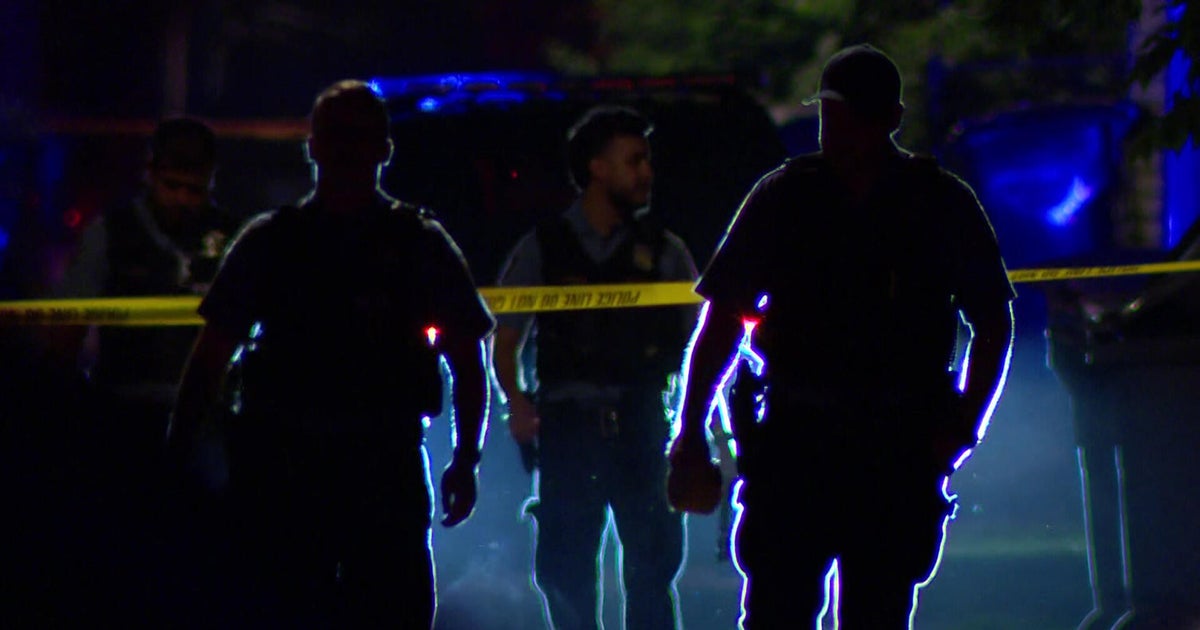
Why South Minneapolis Has Become the Epicenter of Violence
Police data analysis reveals south Minneapolis accounts for 63% of the city’s shootings in 2025. Structural factors creating this disparity include:
| Factor | South Minneapolis | City Average |
|---|---|---|
| Poverty Rate | 31% | 23% |
| Police Response Time | 9.2 minutes | 6.8 minutes |
| Vacant Properties | 417 | 211 |
The intersection of Lake Street and Chicago Avenue has seen 27 shootings this year – more than some entire police precincts. Community leaders attribute this to a perfect storm of economic disinvestment, historical redlining effects, and recent reductions in social services.
Most Dangerous Intersections (2025 Data)
- Lake St & Chicago Ave – 27 incidents
- Broadway & Lyndale Ave – 19 incidents
- Franklin Ave & Portland Ave – 16 incidents
School Safety Crisis: Protecting Minneapolis Students
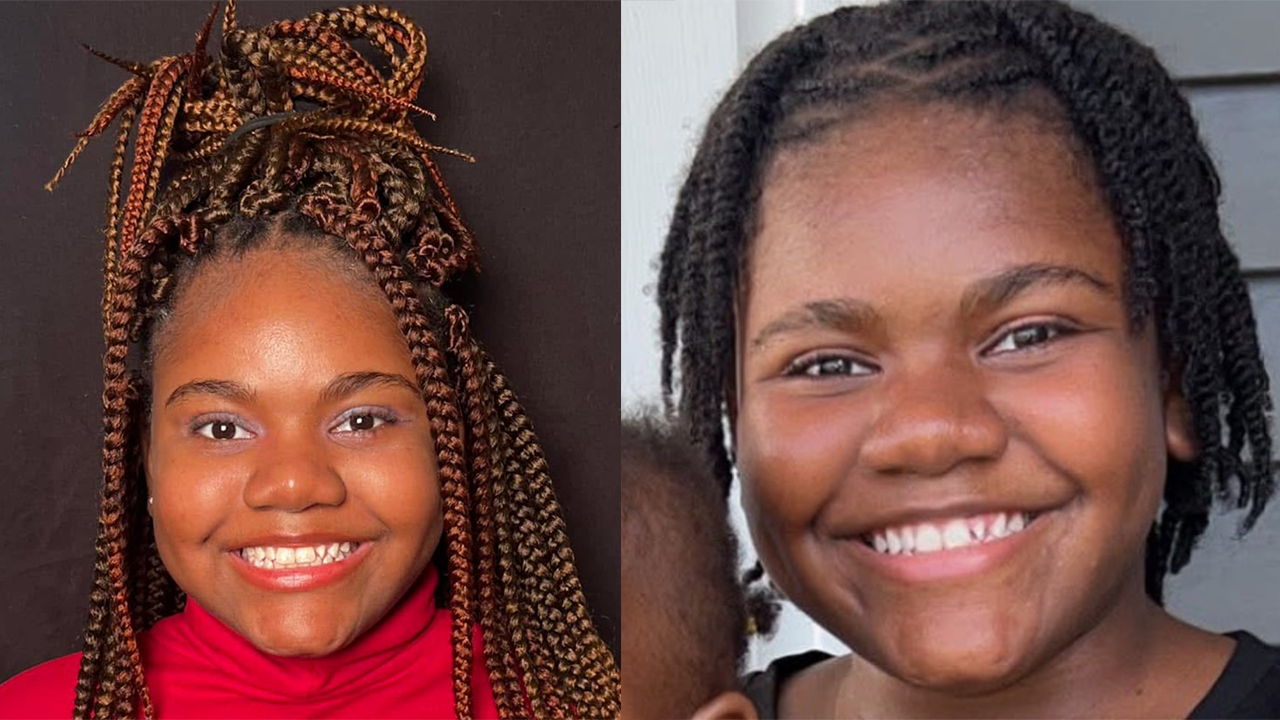
The August 27 school shooting marked Minneapolis’ 11th firearms incident on or near school property in 2025. Comparative statistics reveal concerning trends:
| Year | School Incidents | Church Incidents |
|---|---|---|
| 2024 | 14 | 9 |
| 2025 (YTD) | 11 | 6 |
Despite a $14 million increase in school security funding, parents report widespread anxiety. The district has implemented new measures including:
- Weapons detection systems at 12 high schools
- Threat assessment training for staff
- Safe arrival text alerts for parents
Law Enforcement Challenges and Community Solutions
The Minneapolis Police Department faces multiple obstacles in addressing the violence crisis:
- Staffing at 85% of authorized strength due to recruitment challenges
- Clearance rates for gang-related homicides below 40%
- Widespread distrust in historically over-policed communities
Innovative approaches showing promise include:
- Focused deterrence programs offering alternatives to at-risk individuals
- Community violence interrupters mediating conflicts
- Business partnerships creating youth employment opportunities
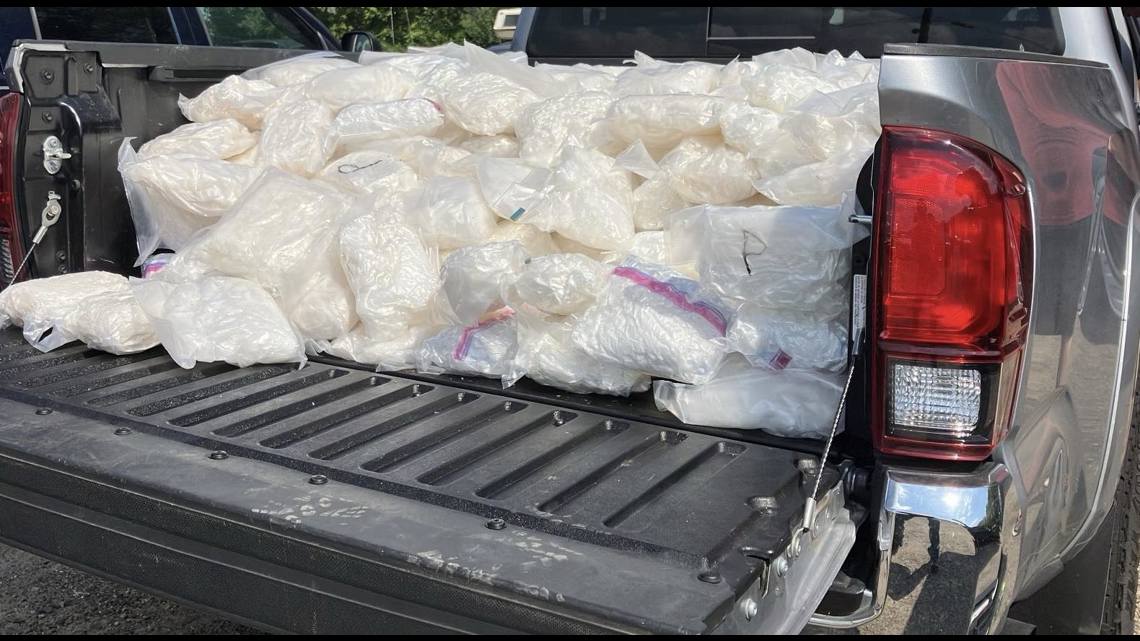
The July seizure of 900 pounds of methamphetamine marked a turning point in disrupting gang financing operations. However, law enforcement experts warn that without corresponding social investments, new gangs will simply fill the vacuum.
Path Forward: Balancing Enforcement and Prevention
As Minneapolis grapples with this complex crisis, a multi-pronged strategy appears essential:
Immediate Priorities
- Enhanced witness protection to overcome “no snitch” culture
- Targeted patrols at high-risk locations during peak hours
- Regional collaboration to disrupt gang supply chains
Long-Term Solutions
- Restorative justice programs in schools
- Vacant property redevelopment initiatives
- Trauma-informed policing training
Community forums scheduled throughout September will allow residents to voice concerns and contribute solutions. The city has allocated $5 million in supplemental funding for violence prevention programs, though advocates argue ten times that amount is needed for meaningful impact.
Comments