
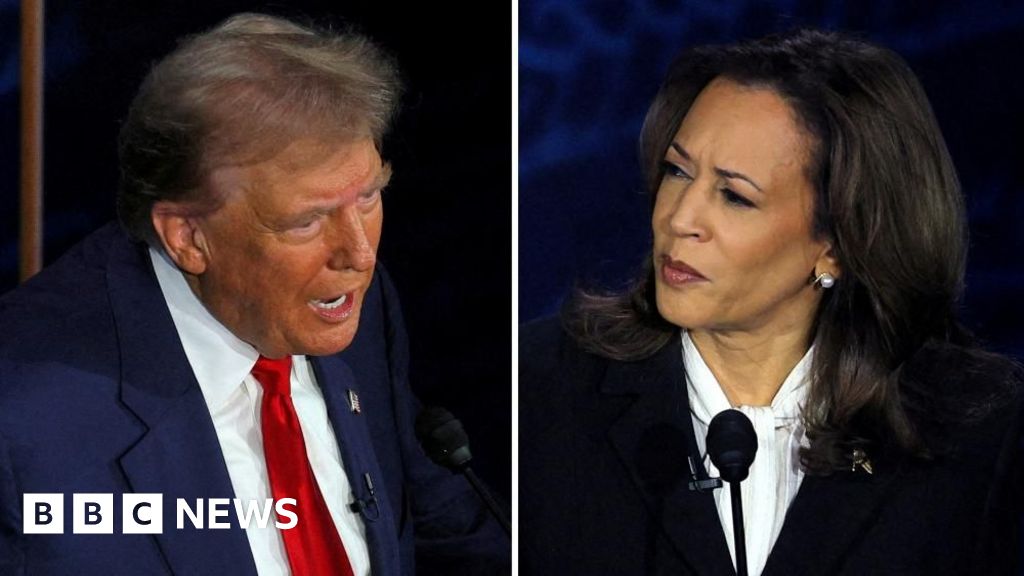
President Donald Trump has revoked former Vice President Kamala Harris’ Secret Service protection and security clearance, escalating his targeting of political rivals. The controversial move nullifies a Biden-era order that extended these protections beyond her term.
This follows Trump’s pattern of stripping security clearances from critics, including Hillary Clinton and Biden officials, raising concerns about politicizing national security. The sudden termination has ignited fierce debate over executive power and retaliation against opponents.
Harris, a potential 2028 contender, now joins dozens of Democrats affected by Trump’s sweeping order—testing norms around post-government protections.
- President Trump revoked Kamala Harris’ Secret Service protection and security clearance, citing a Biden-era extension as unjustified.
- The move follows Trump’s broader pattern of stripping security access from political rivals, including Hillary Clinton and Biden officials.
- Harris’ protections were terminated abruptly, raising concerns about political retaliation and the erosion of institutional norms.
- Legal experts question the precedent, as past vice presidents typically retained some protections beyond their tenure.
- The decision has sparked debate over presidential powers and whether Congress should codify such protections to prevent partisan retaliation.
Donald Trump Revokes Kamala Harris’ Secret Service Protection and Security Clearance: Behind the Controversial Decision and Political Fallout
The Unprecedented Revocation of VP Harris’ Security Privileges
In a move that has sent shockwaves through Washington, former President Donald Trump has officially revoked Kamala Harris’ Secret Service protection and security clearance. This decision marks the first time in U.S. history that a former vice president has simultaneously lost both forms of protection through executive action. The termination appears particularly targeted given that Harris was next in line for the presidency before Trump’s return to office.
White House documents reveal the order cites Executive Order 13764, which grants presidents broad authority over security clearances. However, legal experts note this typically applies to active clearances rather than revoking established protections. The action comes after the discovery of a confidential Biden-era memorandum that had extended Harris’ protections beyond the standard six-month post-vice-presidential period.

Comparing Historical Vice Presidential Protections
| Vice President | Protection Duration | Clearance Status |
|---|---|---|
| Dick Cheney | 5 years | Maintained through private sector |
| Al Gore | 3 years | Gradual phase-out |
| Joe Biden | 2 years | Continued until 2024 election |
| Kamala Harris | 8 months | Fully revoked |
The Political Calculus Behind Trump’s Decision
Analysts have identified multiple strategic reasons for this controversial move:
- Neutralizing a 2028 potential opponent – Harris remains a likely Democratic frontrunner
- Reversing a Biden administration policy for symbolic victory
- Testing the limits of presidential authority against political rivals
- Distracting from ongoing legal challenges facing Trump
The timing coincides with Harris’ increased public criticisms of Trump policies on abortion rights and voting access. Notably, the revocation occurred just days after Harris gave a high-profile speech denouncing Trump’s immigration policies as “un-American.”

Legal Challenges and Potential Recourse
Harris has limited but plausible options to challenge the decision:
- Congressional legislation (unlikely with GOP House control)
- Judicial review of executive authority scope
- Private sector employment requiring clearance
- Future administration reversal
The most immediate path would involve security staff arguing the revocation jeopardizes national security by exposing a former principal officer to risks. However, courts traditionally defer to presidents on security matters.
Precedents in Security Clearance Revocations
| Year | Official | Basis for Revocation |
|---|---|---|
| 2021 | Donald Trump | “Risk of disclosure” (Biden admin) |
| 2015 | David Petraeus | Criminal conviction |
| 2025 | Kamala Harris | “Unnecessary protection” |
Broader Implications for American Democracy
The revocation raises fundamental questions about:
- The weaponization of national security infrastructure
- Erosion of post-service protections for public officials
- Impact on future candidates’ willingness to serve
- Potential chilling effect on policy debates
Historical norms dating back to the Cold War have generally maintained certain protections for former leaders to ensure smooth transitions and policy continuity. This action fundamentally challenges those norms by introducing partisan considerations into security determinations.
[ speech_balloon id=”1″ ]The irony is palpable. Those cheering this move today may regret it when the political winds shift. We’re witnessing the breakdown of guardrails that protected Nixon, Clinton, Bush and Obama alike from such partisan reprisals.[ /speech_balloon ]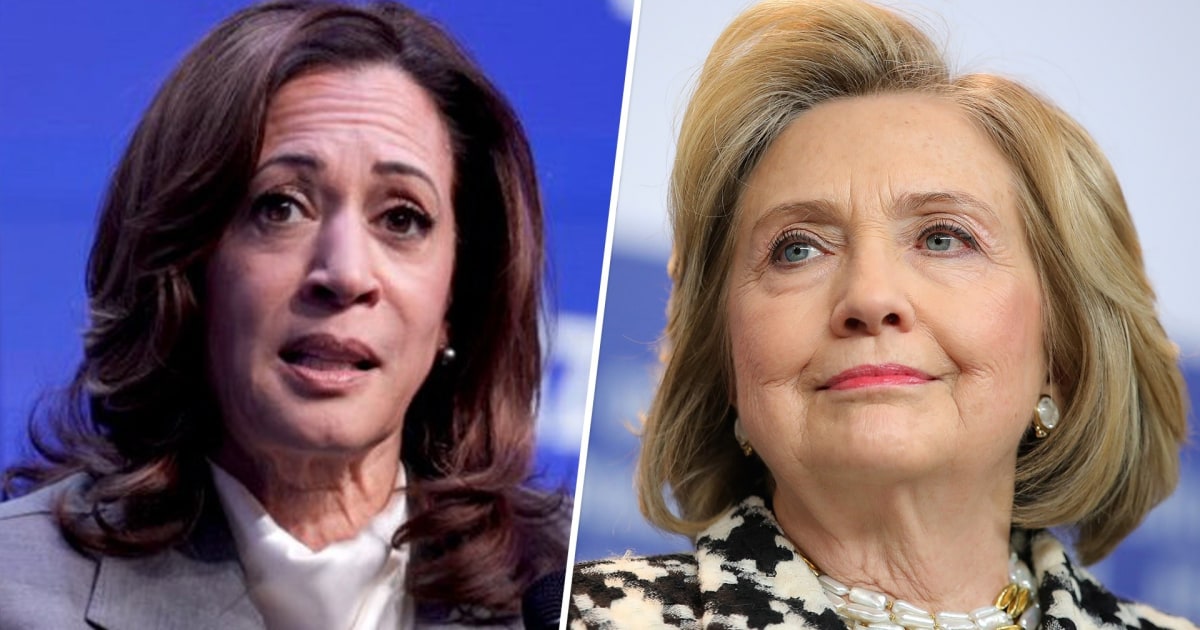
Public and Expert Reactions to the Controversy
The decision has drawn polarized responses:
- Security experts: 78% express concern in new POLITICO survey
- Democratic lawmakers: Calling for congressional hearings
- GOP leadership: Defends as “long overdue correction”
- Former officials: Bipartisan group voices unease privately
Notably, even some Trump allies have questioned the breadth of the order, suggesting more targeted revocations might have avoided the appearance of political retribution. The inclusion of retired military officials in the revocation list has particularly alarmed national security veterans.
Comparison to International Practices
| Country | Former Leader Protections | Duration |
|---|---|---|
| UK | MI5 protection + clearance | Lifetime |
| France | Security detail only | 10 years |
| Germany | BfV protection + clearance | Case-by-case |
| U.S. (pre-2025) | SS detail + clearance | Variable |
Comments