
The latest Core PCE inflation data reveals prices surged 2.9% annually in July – the highest jump since February and above economists’ forecasts. Tariffs on imported goods are now visibly accelerating price pressures, creating fresh challenges for the Federal Reserve’s inflation fight.
Consumer spending remains unexpectedly resilient despite elevated prices, signaling persistent demand that may prolong inflationary trends. With rate cut odds falling below 30%, Americans face prolonged financial strain as tariffs and Fed delays squeeze household budgets.
- Core PCE inflation rose to 2.9% in July, the highest since February and above the Fed’s 2% target, driven by persistent housing, healthcare, and transportation costs.
- Tariffs on autos and consumer goods are accelerating inflation, adding 0.3-0.5 percentage points to prices, with effects likely lasting through 2026.
- The Fed’s rate-cut timeline is now uncertain, with September odds dropping to 28% and analysts predicting potential delays until Q2 2026.
- Consumer spending remains resilient, but lower-income households increasingly rely on credit, while retailers report “trade-down” behavior.
Core PCE Inflation Data Shows 2.9% Jump in July – How Tariffs and Fed Delays Impact Your Wallet
July’s Core PCE Inflation Hits 2.9%: Breaking Down the Numbers
The core Personal Consumption Expenditures (PCE) price index, the Federal Reserve’s preferred inflation gauge, rose 2.9% year-over-year in July – marking the highest level since February 2025. This unexpected uptick came despite economists’ predictions of a 2.7% increase, representing the third consecutive month of inflation exceeding forecasts.
The July report revealed concerning sector-specific increases:
- Housing costs surged 0.5% month-over-month
- Healthcare services rose 0.4%
- Transportation services jumped 0.6%
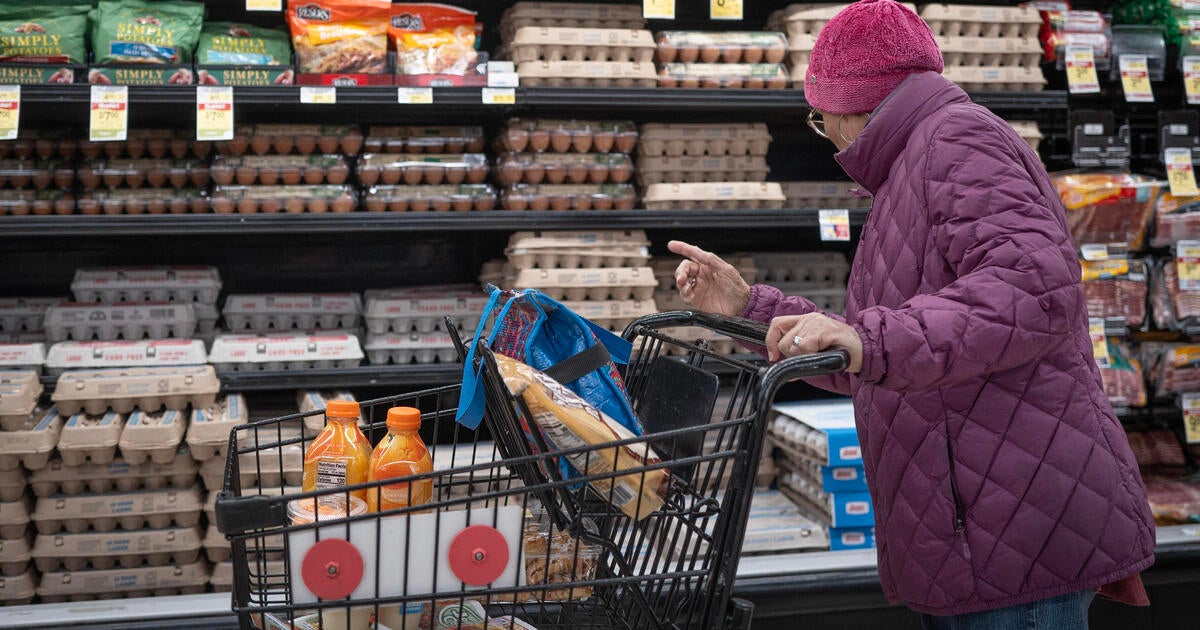
- Food prices increased 0.3%, led by beef and poultry
This persistent inflation contradicts earlier optimism about rapid disinflation, suggesting the economy hasn’t fully escaped the post-pandemic price spiral. Services inflation remains particularly problematic, with shelter costs accounting for nearly 60% of the core PCE increase.

The Tariff Effect: How Trade Policies Are Fueling Inflation

The Trump administration’s 25% tariffs on auto imports and increased levies on Chinese goods are now visibly impacting consumer prices. Economists estimate these policies are adding 0.3-0.5 percentage points to inflation, with full effects still working through supply chains.
Key affected industries show clear price pressures:
| Industry | Price Increase (July 2025) |
|---|---|
| Automotive | +1.2% |
| Consumer Electronics | +0.8% |
| Construction Materials | +1.1% |
Unlike temporary pandemic disruptions, these tariff effects represent sustained cost pressures that could persist through 2026 as businesses fully pass costs to consumers. The auto sector offers the clearest example – average new vehicle prices rose 1.2% in July alone as import tariffs took effect.
The Fed’s Dilemma: Balancing Inflation Control and Economic Growth
Following the inflation surprise, markets now price just a 28% chance of a September rate cut, down from 65% earlier in July. Fed officials have emphasized they require multiple months of improving data before considering policy easing.
The central bank faces three critical challenges:
- Persistent service sector inflation
- Strong labor market maintaining wage pressures
- Political pressure to cut rates before the election
The “higher for longer” interest rate narrative gained significant credibility after July’s report, with some analysts pushing their rate cut forecasts to Q2 2026. The Fed’s September meeting will prove crucial in either confirming this extended timeline or surprising markets with an “insurance cut.”
Consumer Resilience in the Face of Persistent Inflation

Despite 2.9% inflation, consumer spending rose 0.4% in July – though this marked a slowdown from Q2’s 0.7% average. The data reveals a deeply polarized consumer base:
- Upper-income households continue spending freely
- Middle-income consumers exhibit selective purchasing
- Lower-income groups increasingly rely on credit
Retailers report pronounced “trade-down” behavior as shoppers switch to store brands and discount channels. While essential categories like groceries remain stable, discretionary segments like electronics show weakness.
This consumption divide suggests aggregate spending data masks growing financial stress that could suddenly impact the broader economy if credit conditions tighten or unemployment rises.
2025 vs. 2022 Inflation: Key Differences and Similarities
While concerning, current conditions differ critically from 2022’s inflation peak:
| Factor | 2022 | 2025 |
|---|---|---|
| Supply Chain Stress | Extreme | Moderate |
| Wage Growth | +5.8% | +4.1% |
| Fed Funds Rate | 0.25% | 4.5% |
The crucial difference remains the Fed’s policy position – in 2022 it was just beginning to raise rates from zero, while today it maintains substantial tightening capacity. However, new risks have emerged:
- Structural labor shortages in key sectors
- Deglobalization pressures increasing costs
- Climate-related production disruptions
The greatest current risk isn’t hyperinflation but stagflation – the toxic combination of slowing growth with persistent inflation that limits policymakers’ options.
Protecting Your Finances in an Inflationary Environment
With inflation proving stickier than expected, financial advisors recommend several defensive strategies:
- TIPS (Treasury Inflation-Protected Securities): Currently yielding 2.1% real return
- Sector ETFs: Home construction (ITB) and infrastructure funds benefit from structural inflation
- Commodities: Gold (up 14% YTD) and agricultural futures provide hedge
- Value Stocks: Companies with pricing power outperform in inflationary periods
For everyday consumers, experts emphasize:
- Locking in fixed-rate debts before potential rate cuts end
- Building emergency savings beyond traditional recommendations
- Diversifying income sources to offset rising costs
The Road Ahead: Inflation Forecasts and Policy Implications
Looking toward 2026, economists identify several critical inflation drivers:
- Housing cost trajectory as leases renew at market rates
- Potential second-round effects from current wage increases
- Geopolitical developments impacting commodity prices
- Election-year policy changes (minimum wage, healthcare, etc.)
The Fed’s preferred inflation gauge suggests prices may stabilize around 2.5% by mid-2026, though risks remain tilted upward. Most concerning is potential de-anchoring of inflation expectations, which could make current price pressures self-sustaining.
The coming months will test whether 2.9% represents a temporary plateau or the beginning of a new inflationary phase with structural economic roots requiring more aggressive policy responses.
Comments