
New York City stands on the brink of a political revolution as Zohran Mamdani, the first democratic socialist mayor-elect in NYC history, prepares to take office in 2026. At 34, he will become the youngest mayor in over a century and the city’s first Muslim leader, promising transformative policies on housing, transit, and economic equity.
His inauguration on January 1, 2026 marks a seismic shift in urban governance, with progressives celebrating while critics warn of radical changes. The eyes of the nation will be watching as this self-described socialist tests the limits of municipal power in America’s largest city.
- Zohran Mamdani will be sworn in as NYC Mayor on January 1, 2026, becoming the city’s first Muslim and South Asian mayor, as well as the youngest in over a century.
- His democratic socialist agenda focuses on housing reform, free public transit, and municipal broadband, with immediate priorities including rent stabilization and city-owned grocery stores in food deserts.
- Early transportation changes will include free school buses within 100 days and expanded bike lanes, though universal free subway access faces fiscal hurdles.
- Business and real estate interests are preparing for conflict, with commercial rent control proposals potentially triggering major showdowns with property owners.
- Key challenges include navigating state and federal opposition to policies requiring approval beyond city authority, particularly regarding MTA governance and taxation.
Zohran Mamdani Elected NYC Mayor: Key Dates, Socialist Agenda & What’s Next for New York in 2026
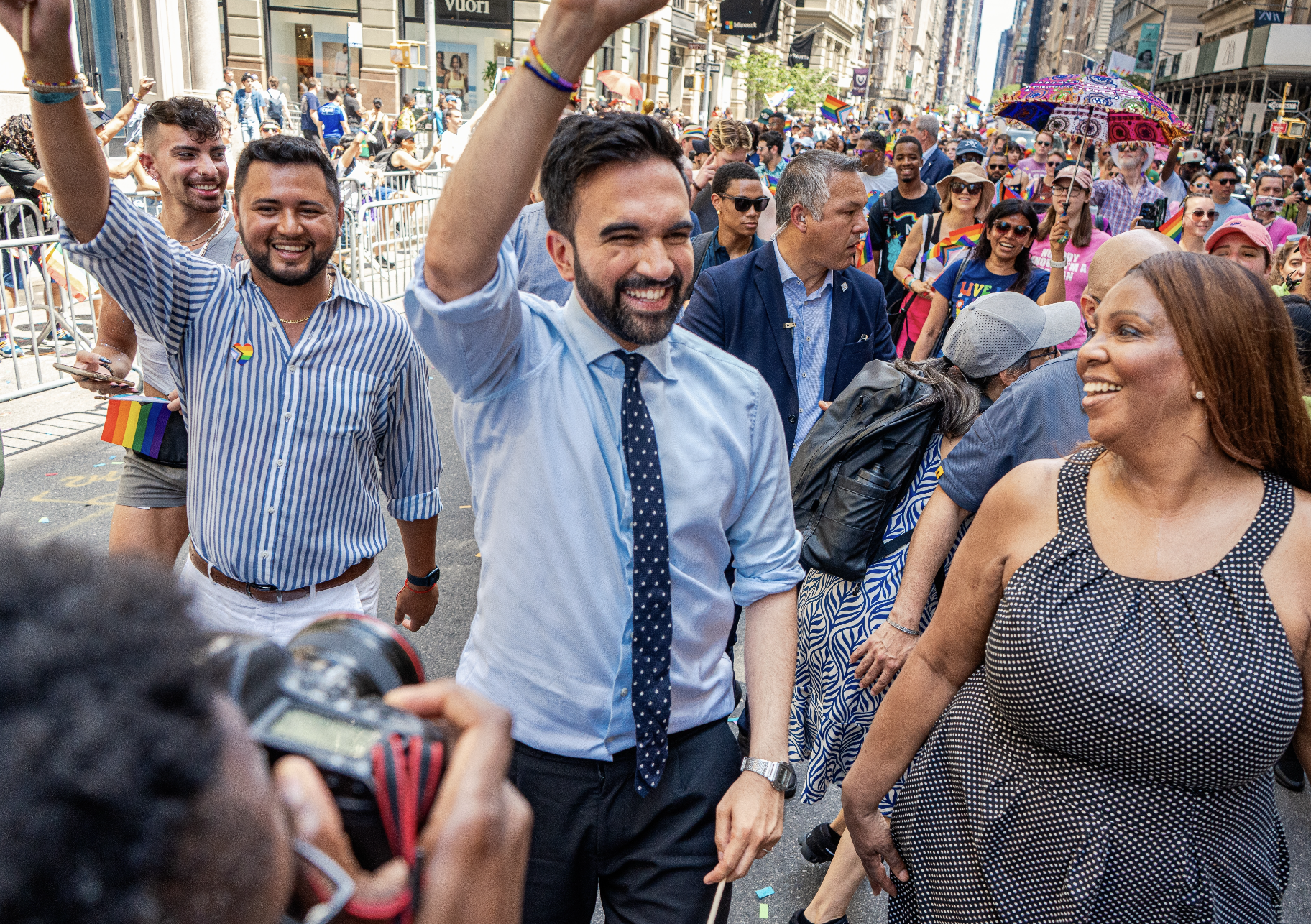
The Historic Inauguration: When and How Zohran Mamdani Takes Office
Zohran Mamdani will officially become New York City’s 110th mayor on January 1, 2026, marking multiple historic firsts: the youngest mayor in over a century at age 34, the first Muslim leader of NYC, and the first self-declared democratic socialist to hold the office. The inauguration ceremony at City Hall is expected to reflect his progressive platform with symbolic gestures honoring his background as the son of Ugandan refugees and his work as a Queens housing organizer.
The transition period will be closely watched, as Mamdani faces immediate challenges including:
- Balancing ambitious campaign promises with fiscal realities
- Navigating opposition from police unions and business groups
- Building relationships with state and federal officials

The Democratic Socialist Blueprint: Mamdani’s Policy Agenda
Mamdani’s platform represents the most radical shift in NYC governance in decades, centered on addressing the city’s affordability crisis through unprecedented government intervention. His signature proposals include:
| Policy | Implementation | Potential Impact |
|---|---|---|
| Social Housing Expansion | First 18 months | 20,000 new city-owned units |
| Municipal Grocery Stores | Pilot in 2026 | 3 locations in food deserts |
| Free Transit Corridors | Phase 1 by 2027 | 5 key bus routes |

First 100 Days: What Changes New Yorkers Will Notice Immediately
While major structural reforms will take time, Mamdani has identified several high-visibility early actions to demonstrate his commitment to change:
Transportation Reforms
Commuters can expect:
- Free school bus services starting September 2026
- 50 new miles of protected bike lanes within six months
- Review of congestion pricing exemptions
Housing Measures
The administration will likely:
- Accelerate eviction protection programs
- Expand rent stabilization eligibility
- Launch city-funded tenant organizing initiatives
Governing Challenges: Obstacles Facing the Mamdani Administration
Despite his electoral mandate, Mamdani faces significant structural and political hurdles:

Budget Constraints: NYC’s $100 billion budget already faces deficits, limiting new program funding without tax increases or service cuts elsewhere. The coming fiscal challenges include:
- Pension fund pressures from an aging municipal workforce
- Declining commercial property values threatening tax base
- Uncertain federal funding for sanctuary city policies
The National Implications: What Mamdani’s Mayorship Means Beyond NYC
As the most prominent democratic socialist executive in America, Mamdani’s success or failure will reverberate nationally:
For the Progressive Movement
A successful Mamdani administration could:
- Validate the “urban democratic socialism” model
- Inspire similar candidates in other cities
- Shift national policy debates on housing and transit
For National Politics
The national implications include:
- Pressure on Biden administration to support NYC initiatives
- Potential as a progressive counterweight to moderate Democrats
- Testing ground for policies ahead of 2028 presidential cycle

The Opposition: Who’s Pushing Back Against Mamdani’s Agenda
Several powerful factions are organizing against key elements of Mamdani’s platform:
| Group | Primary Concern | Tactics |
|---|---|---|
| Real Estate Board | Rent regulations | Legal challenges, Albany lobbying |
| Police Unions | Budget reallocation | Public safety campaigns |
| Business Groups | Commercial rent control | Threats of relocation |
Comments