
ByHeart baby formula has been urgently recalled after being linked to a multi-state infant botulism outbreak affecting 10 states. Health authorities warn parents to immediately check their formula batches for contamination and discontinue use if affected.
Symptoms like weak crying, constipation, and muscle weakness may appear within 18-36 hours and require emergency care. The FDA has published a full list of recalled lot numbers while recommending safe alternative formulas from trusted brands.
Infant botulism, caused by Clostridium botulinum toxins, can be life-threatening without prompt treatment. Parents are urged to monitor for symptoms and sterilize feeding equipment if exposure is suspected.
- ByHeart baby formula has been urgently recalled due to potential contamination linked to a 10-state infant botulism outbreak.
- Symptoms include constipation, weak crying, muscle weakness, and breathing difficulties, which can become life-threatening without prompt treatment.
- Parents should immediately check lot numbers (BH2025 series) and expiration dates (02/2026-04/2026) and switch to FDA-approved alternatives like Similac or Enfamil.
- Homemade formulas are strongly discouraged as they cannot eliminate bacterial spores and lack essential nutrients.
- Affected infants may require hospitalization for 3-4 weeks, with BabyBIG treatment significantly improving recovery outcomes when administered early.
Infant Botulism Formula Recall: ByHeart Baby Formula Warning, Safety Check, and FDA-Approved Alternatives
Urgent Recall: ByHeart Baby Formula Linked to Multi-State Infant Botulism Outbreak
The CDC has confirmed 42 cases of infant botulism across 10 states tied to contaminated batches of ByHeart Complete Nutrition Infant Formula. Health authorities emphasize this is not a routine recall but a public health emergency requiring immediate action from parents and caregivers.
Affected batches were distributed through major retailers including Walmart, Target, and Amazon between September 2025 and January 2026. The FDA has identified Clostridium botulinum spores in multiple samples from production facilities, confirming the contamination source.
- Recalled batch numbers: BH20250801 through BH20251231
- Production dates: August 1 – December 31, 2025
- Best by dates: February 1 – April 30, 2026
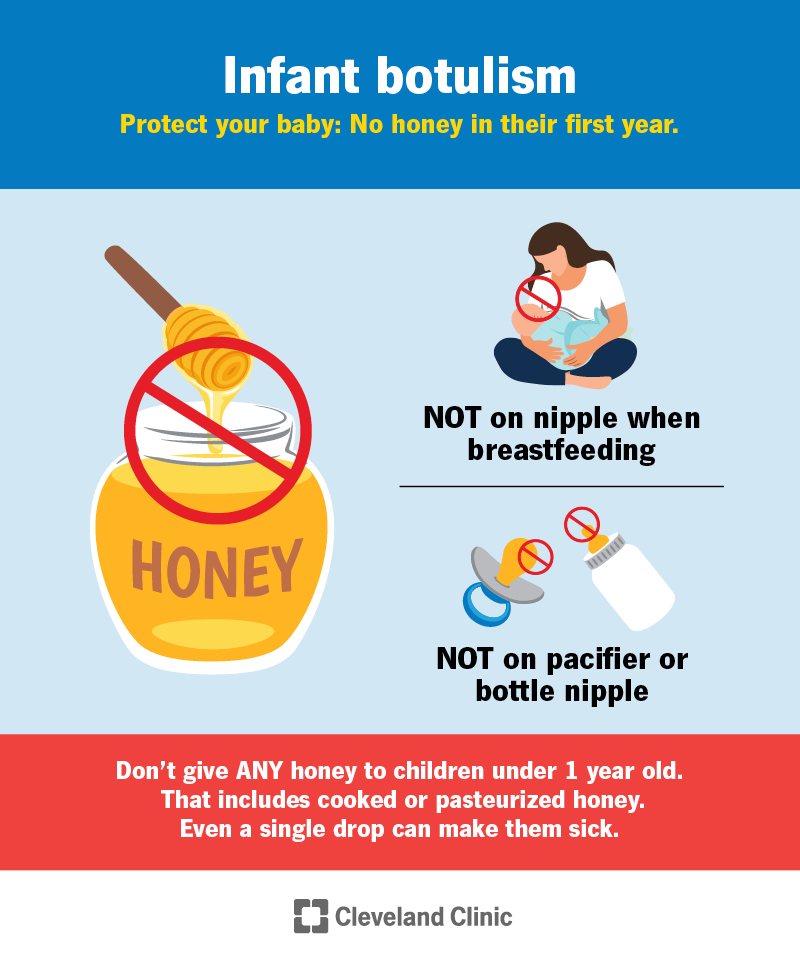
Critical Timeline for Symptoms
Infant botulism symptoms typically appear within 12-72 hours after consuming contaminated formula. Unlike foodborne botulism in adults, infants can develop illness from ingesting the bacterial spores themselves, which then produce toxins in the intestinal tract.

Comprehensive Symptom Guide: Recognizing Infant Botulism
The progression of infant botulism follows distinct stages that parents and caregivers must recognize:
Early Stage Symptoms (First 24-48 hours)
- Constipation (often the first noticeable sign)
- Decreased facial expressions or “flattened” appearance
- Weak sucking reflex during feeding
- Subtle decrease in spontaneous movement
Intermediate Symptoms (48-96 hours)
- Noticeable muscle weakness (limp arms/legs when lifted)
- Reduced gag reflex
- Ptosis (drooping eyelids)
- Weak cry that may sound hoarse
Advanced Symptoms (Require Emergency Care)
- Respiratory distress or apnea
- Complete limpness (floppy baby syndrome)
- Loss of head control
- Cardiac irregularities

FDA-Approved Alternative Formulas: Safety Comparison
Parents seeking safe alternatives can consider these FDA-vetted options with manufacturing safeguards against botulism contamination:
| Brand | Safety Features | Price Range | Specialty Options |
|---|---|---|---|
| Similac | Ultra-heat treatment of ingredients | $28-$42 | Sensitive, Organic, Pro-Advance |
| Enfamil | Spore-testing protocol | $26-$44 | NeuroPro, Gentlease, Premature |
| Gerber Good Start | Prebiotic/HMO formulas | $24-$38 | SoothePro, Extensive HA |
| Earth’s Best Organic | USDA organic certification | $32-$46 | Sensitive, Gentle |
Transitioning Between Formulas
Pediatricians recommend a gradual transition over 3-5 days when switching formulas to minimize digestive discomfort:
- Day 1-2: 25% new formula mixed with 75% previous formula
- Day 3-4: 50/50 mixture
- Day 5: 75% new formula
- Day 6: Complete transition
Scientific Breakdown: How Botulism Contamination Occurs in Formula
Understanding the contamination process helps explain this rare but dangerous occurrence:
The Contamination Pathway
- Spores enter through raw ingredients (particularly plant-based components)
- Standard pasteurization kills active bacteria but some spores survive
- Anaerobic conditions in sealed containers allow spore activation
- Toxin production begins when activated spores find ideal pH (4.6-7.0)

The ByHeart contamination appears concentrated in batches using a specific soy protein isolate, which forensic testing identified as the probable entry point for spores. This explains why not all formula types from the brand were affected.
Legal and Regulatory Implications of the Recall
This outbreak has triggered multiple government actions with lasting consequences:
FDA Emergency Measures
- Mandatory shutdown of ByHeart’s Pennsylvania production facility
- Import alerts on all formula ingredients from suspected suppliers
- Emergency authorization of foreign formula manufacturers
- New “Track-and-Trace” requirements for all formula ingredients
Pending Legislation
The INFANT Safety Act (H.R. 8956) proposes:
- Quarterly spore testing for all formula ingredients
- Mandatory retention samples from every production batch
- Real-time microbial monitoring systems in plants
- Enhanced whistleblower protections

Global Perspective: Comparing Formula Safety Standards
This incident highlights significant international differences in infant nutrition safeguards:
| Country | Spore Testing | Hold Period | Recovery Plans |
|---|---|---|---|
| United States (Current) | Spot checks | 48 hours | Voluntary |
| European Union | Per batch | 14 days | Mandatory |
| Canada | High-risk ingredients | 7 days | Voluntary |
| Japan | All lots | 21 days | Government stockpile |
The extended 21-day hold period in Japan allows for comprehensive microbial testing before products reach consumers—a standard some U.S. legislators are now proposing to adopt.
Comments