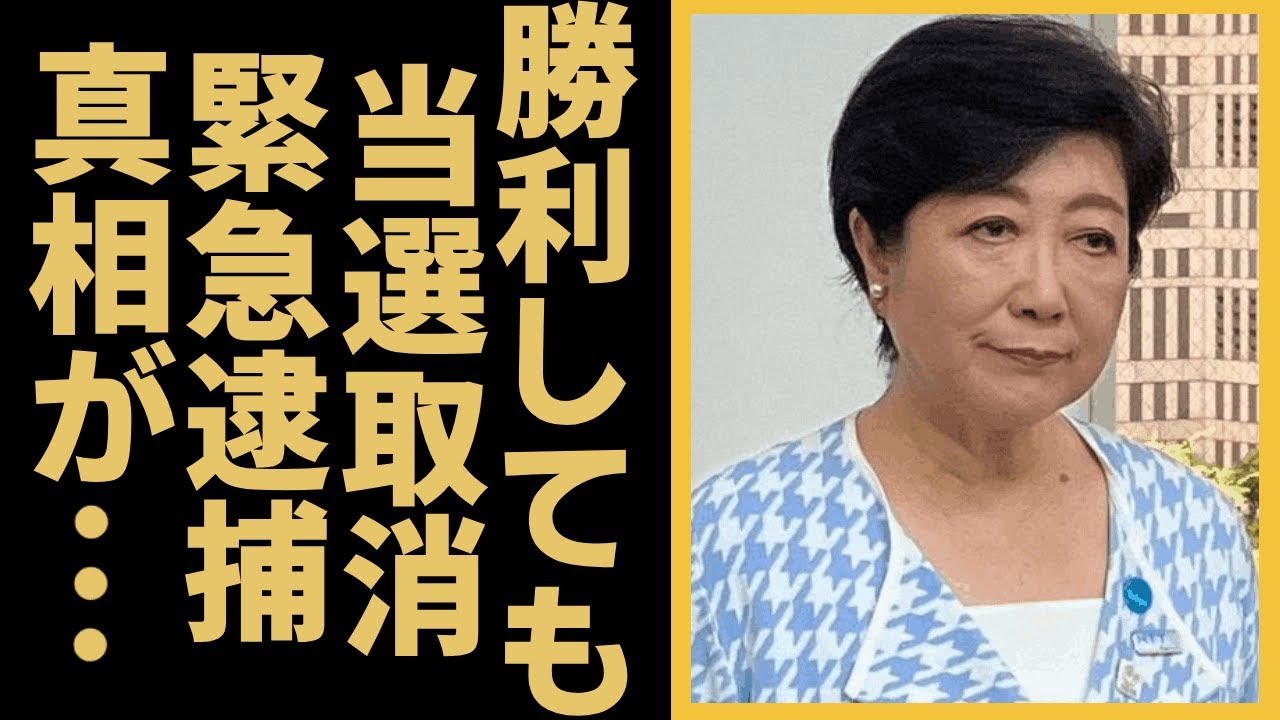
- The election victory of Yuriko Koike, the Governor of Tokyo, has raised concerns about potential “election cancellation” due to alleged violations of the Public Office Election Act.
- Shinichi Ishimaru, a former Hiroshima mayor, emerged as a strong contender, surprising many with his performance in the election.
- The election campaign was marked by political tensions, with Koike facing headwinds from the ruling Liberal Democratic Party (LDP) while receiving support from opposition parties.
- The low voter turnout in Tokyo, which is typically lower than other regions in Japan, remains a significant challenge for Koike as she aims to address the issue of Japan’s declining birth rate.
- Koike’s political career has been marked by controversies, including allegations of falsifying her university degree, which have persisted despite her repeated denials and the university’s confirmation of her graduation.

See Video for details.
Yuriko Koike’s Decisive Victory in the Tokyo Governor Election
Yuriko Koike’s Political Career and Profile
Yuriko Koike was born in 1952 in Hyogo Prefecture. Her father, who ran an oil wholesaling business, was sensitive to global trends, and Koike was aware of the importance of Japan’s connections with the world from a young age. In 1992, at the age of 40, she was elected to the House of Representatives from the newly formed Japan New Party. In 2005, she changed her electoral district to Tokyo’s 10th district, where she served as a member of the House of Representatives for over 10 years. In July 2016, she ran and won the Tokyo gubernatorial election, becoming the first female governor of Tokyo.Koike’s Accomplishments and Policies
During her two terms as governor, Koike has implemented various policies, including expanding support for families with children and improving the healthcare system. She has also pledged to address Tokyo’s low voter turnout, which is the lowest among all regions in Japan, with the capital’s population accounting for around 11% of the country’s total and contributing nearly 20% of its GDP.Koike’s Victory and the Political Landscape
In the recent Tokyo gubernatorial election, Koike faced challenges from former Hiroshima mayor Shinichi Ishimaru and former House of Representatives member Renhō, who were supported by opposition parties. However, Koike’s victory was seen as a setback for the ruling Liberal Democratic Party, which had supported her candidacy. The election was also marked by a high voter turnout, with over 60% of eligible voters casting their ballots, the highest since 2008.Koike’s Future Plans and Challenges
As Koike embarks on her third term as Tokyo governor, she has pledged to continue her reform efforts and address the city’s pressing issues, such as the low birth rate and the impact of the COVID-19 pandemic. However, she has also faced criticism over various scandals, including allegations that she falsified her university graduation, which have persisted throughout her political career.The Role of the Tokyo Metropolitan Government
The Tokyo Metropolitan Government’s budget for the current fiscal year has reached a staggering 16.55 trillion yen, making it one of the largest subnational governments in the world. As the governor of this influential entity, Koike’s decisions and policies will have a significant impact on the future of Tokyo and, by extension, Japan as a whole.The Significance of the Tokyo Gubernatorial Election
The Tokyo gubernatorial election was seen as a proxy battle between the ruling Liberal Democratic Party and the opposition parties, with the outcome potentially influencing the national political landscape. Koike’s victory has provided some relief for the LDP, which had suffered recent setbacks in other local elections, but the long-term implications remain uncertain.Q&A: Yuriko Koike Confident of Tokyo Governor Election Victory, Faces Potential Disqualification
Q: What is Yuriko Koike’s background and profile?
Yuriko Koike was born in 1952 in Hyogo Prefecture. Her father owned an oil wholesaling business, which made her sensitive to energy security issues from a young age. She first ran for the House of Representatives in 1992 as a member of the newly formed Japan New Party, and was elected. In 2005, she changed her electoral district to Tokyo’s 10th district, where she served as a member of the House of Representatives for over 10 years.
Q: How did Yuriko Koike win the Tokyo gubernatorial election?
Koike ran for the Tokyo gubernatorial election in 2016 and became the first female governor of Tokyo. She was re-elected in 2020 amid the COVID-19 pandemic and the postponed Tokyo Olympics. In the recent election, Koike’s key campaign promises included expanding support for families with children and improving the healthcare system. She received support from over 2.9 million voters, securing her victory.
Q: How did Shinichi Ishimaru perform in the election?
Shinichi Ishimaru, the former mayor of Hiroshima’s Akita City, was a leading candidate in the election. He received a significant number of votes, finishing second to Koike. Ishimaru’s active social media presence and appeal to voters dissatisfied with traditional political parties contributed to his strong performance.
Q: What were the key issues and challenges in the Tokyo gubernatorial election?
The election took place amid concerns over Japan’s declining birth rate, a major issue for Tokyo. Koike pledged to address this challenge. The election was also seen as a proxy battle between national political parties, with Koike receiving support from parties outside the traditional ruling coalition. Voter turnout, which reached over 60%, was higher than the previous gubernatorial election.
Video: Title: Yuriko Koike is confident of victory in the gubernatorial election, but “cancellation of election” may occur… The truth behind the “violation of the Public Offices Election Act” and the emergency arrest, and Shinji Ishimaru’s surprise at the tense development on Fuji TV’s election special program!
Comments