
Joaquin Phoenix finally broke his silence about one of Hollywood’s most infamous talk show moments during a revealing chat on “The Late Show with Stephen Colbert.” “One of the worst nights of my life,” the Oscar winner confessed about his deliberately bizarre 2009 David Letterman interview.
The actor peeled back the curtains on his controversial performance art stunt for mockumentary “I’m Still Here,” admitting he now regrets the intentional chaos that left Letterman and audiences bewildered. Fifteen years later, Phoenix’s candid Colbert appearance offered surprising insights into the psychological toll of his artistic gamble.
- Joaquin Phoenix described his 2009 David Letterman interview as “one of the worst nights of my life” during his recent appearance on Stephen Colbert’s show, revealing it was part of a performance art stunt for his mockumentary “I’m Still Here.”
- The actor admitted he intentionally created an uncomfortable atmosphere to provoke reactions, but now regrets the stunt entirely, stating “It was beneficial for no one to know [it was an act]” during his Colbert interview.
- Phoenix’s commitment to the character (complete with shaggy beard and erratic behavior) sparked widespread speculation about his mental health at the time, creating irreparable tension with Letterman and changing late-night TV interview protocols.
Joaquin Phoenix Reveals Regrets About Infamous Letterman Interview on Colbert: The Untold Backstage Story
The Shocking Confession: Phoenix’s Candid Admission to Colbert
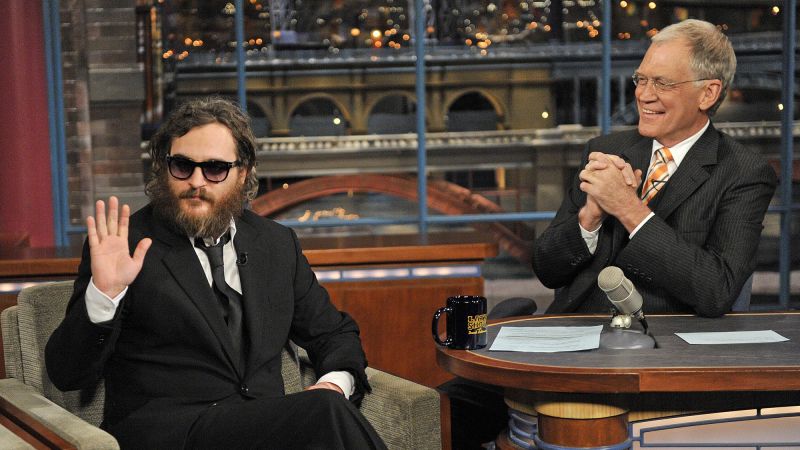
Fifteen years after his infamous appearance on “Late Show with David Letterman,” Joaquin Phoenix finally broke his silence about the bewildering interview during a heartfelt conversation with Stephen Colbert. The Oscar-winning actor described it as “one of the worst nights of my life”, revealing the psychological toll of maintaining his “I’m Still Here” mockumentary character during what appeared to be a legitimate celebrity interview.
Phoenix explained to Colbert that he deliberately crafted the interview to be “horrible and uncomfortable,” wanting to provoke both Letterman and the audience. His shaggy beard, sunglasses, and incoherent responses weren’t signs of distress but rather meticulous performance art. However, the actor now regrets the deception, admitting “it was beneficial for no one to know [it was an act]” and that he simply wanted an extreme reaction.

Behind the Scenes: What Really Happened During That Fateful Night
The backstage dynamics of the 2009 interview remain one of Hollywood’s most intriguing mysteries. Standard talk show protocol requires pre-interview briefings where guests and producers discuss talking points, but Phoenix subverted these norms. While he did inform some production staff about his performance art concept, this information never reached Letterman himself, leaving the veteran host utterly unprepared.

Colbert pressed Phoenix about the behind-the-scenes tensions, with the actor admitting the atmosphere grew increasingly uncomfortable as the interview progressed. Crew members reportedly exchanged confused glances, while Letterman – renowned for handling difficult guests – genuinely seemed concerned for Phoenix’s wellbeing. The actor now acknowledges that his commitment to the performance created “irreparable tension” that overshadowed any artistic merit.
The Aftermath: How Late Night TV Changed Forever
Phoenix’s interview became a watershed moment for talk show production. In its wake, networks implemented stricter booking protocols that still influence late night television today:
- Enhanced vetting procedures for guests exhibiting unusual behavior
- Mandatory pre-interview disclosures about performance art concepts
- Psychological evaluations for guests showing potential distress signs
- Clearer communication chains between production staff members
The incident also cooled Hollywood’s enthusiasm for meta-narratives blending fiction and reality. As Phoenix told Colbert, “There are better ways to challenge audiences without putting people in uncomfortable positions.” His regret appears genuine, marking a significant evolution from his rebellious “I’m Still Here” persona.
Letterman’s Response: Professionalism in the Face of Chaos
When Phoenix returned to “Late Show” in 2010 to apologize, Letterman demonstrated remarkable professionalism. Their exchange revealed how deeply the original interview had affected the host, though he masked his discomfort with humor: “I recognized you as a powerful talent… and then a year and a half ago you come out, and honestly it was like you slipped and hit your head in the tub.”

Industry insiders note this incident ironically strengthened Letterman’s reputation as the consummate professional. His ability to navigate Phoenix’s bizarre behavior live on air – while genuinely believing the actor might be having a breakdown – showcased his improvisational skills and empathy.
The Psychology of Performance: Why Phoenix Pushed So Far
Psychological experts analyzing the incident identify several factors that may have driven Phoenix’s extreme approach:
| Factor | Explanation | Impact |
|---|---|---|
| Method Acting | Total immersion in “I’m Still Here” character | Blurred lines between performance and reality |
| Artistic Rebellion | Rejection of celebrity norms | Deliberate provocation of audience expectations |
| Creative Risk-Taking | Desire for unfiltered responses | Unintentional harm to professional relationships |
Phoenix’s confession to Colbert suggests he’s gained perspective on these motivations, acknowledging that creative ambition shouldn’t override ethical considerations. “I wanted danger, but created discomfort,” he reflected – a poignant summary of how artistic visions can sometimes misfire.
Hollywood’s History of Talk Show Stunts: From Kaufman to Kanye
While Phoenix’s Letterman appearance stands out for its intensity, it’s part of a tradition of celebrities testing talk show boundaries:
- Andy Kaufman: Pioneered meta-comedy with his wrestling women act on “Friday Night”
- Tom Green: Pushed limits on Letterman with bizarre behavior and antics
- Kanye West: Known for unpredictable rants across multiple talk shows

However, as Phoenix’s Colbert interview demonstrates, today’s audiences and industry professionals show less tolerance for such stunts. The rise of mental health awareness has made distinguishing between performance and genuine distress more crucial than ever.
Lessons Learned: Artistic Integrity vs Professional Responsibility
The Phoenix-Letterman saga offers valuable insights for performers and content creators:
- Transparency matters: Audiences and collaborators deserve to know when they’re participating in performance art
- Context is crucial: Artistic statements should consider their platform’s norms and expectations
- Reputation has longevity: First impressions linger, even after explanations emerge
- Empathy is essential: Creative vision shouldn’t come at others’ expense
As Phoenix moves forward with his career, this incident serves as a powerful reminder that in entertainment, how you make your statement can be as important as the statement itself. His willingness to address these regrets with Colbert suggests hard-won wisdom about balancing artistic ambition with professional respect.
Comments