
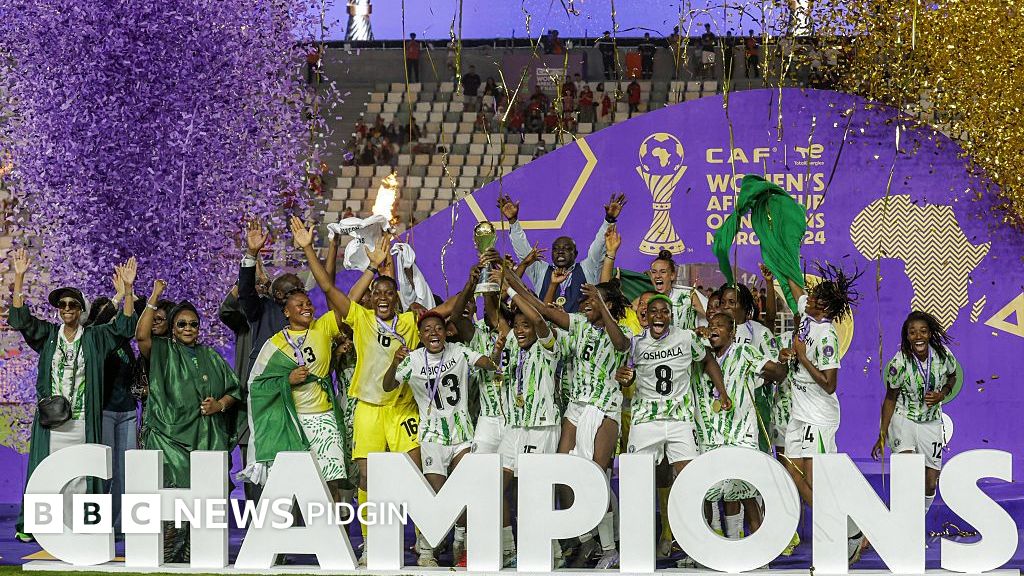
The Nigerian women’s football team has made history by securing their record 10th WAFCON title in a dramatic 3-2 comeback victory against Morocco. Substitute Jennifer Echegini became the hero with an 88th-minute winner, sealing Nigeria’s dominance in African women’s football.
The Super Falcons’ triumph not only cements their legacy but also earns them a $1 million prize purse, doubling their earnings from the previous tournament. Esther Okoronkwo shone as a key player, contributing a goal, assist, and the decisive free-kick setup.
This victory propels Nigeria to the 2025 Women’s World Cup, where they aim to translate continental success onto the global stage. The team now surpasses Nigeria’s men’s team with more continental titles, setting a new standard for African football.
- Nigeria’s Super Falcons made history by winning their record 10th WAFCON title, defeating Morocco 3-2 in a dramatic comeback after trailing by two goals.
- The champions earned $1 million in prize money, doubling the previous edition’s purse, as CAF increased the tournament’s total prize pool by 45%.
- Substitute Jennifer Echegini scored the 88th-minute winner, while Esther Okoronkwo emerged as a key player with a goal, assist, and game-winning free-kick setup.
Nigerian Women’s Football Team Makes History with Record 10th WAFCON Title
The Nigerian women’s football team, known as the Super Falcons, has etched their name in golden letters in African football history by winning an unprecedented 10th Women’s Africa Cup of Nations (WAFCON) title. Their dramatic 3-2 comeback victory against host nation Morocco in Rabat represents a monumental achievement that cements Nigeria’s status as the dominant force in African women’s football.
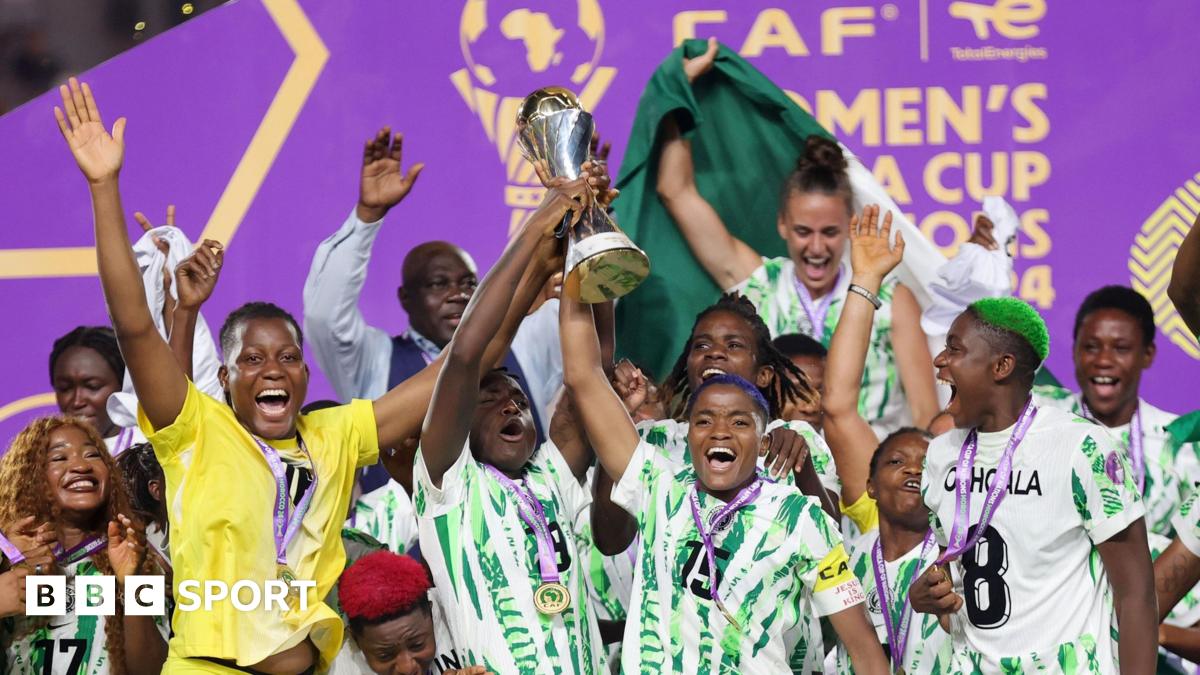
This victory didn’t come easy. The Super Falcons had to overcome a 2-0 deficit against a determined Moroccan squad buoyed by home support. The halftime scoreline might have discouraged lesser teams, but Nigeria’s experience and championship pedigree shone through in a second-half performance for the ages.

The Super Falcons’ decade of dominance in African women’s football is unparalleled. To put this achievement in perspective, Nigeria now has more continental titles than their male counterparts (the Super Eagles’ 3 AFCON trophies) and Egypt’s women’s team (with 7 WAFCON titles). This victory extends a remarkable run that began with their first triumph in 1998.
The Road to “Mission X” Success
Dubbed “Mission X” by the Nigerian Football Federation, the campaign for a record 10th title faced numerous challenges. From pre-tournament contract disputes to injuries and COVID-19 scares, the team overcame obstacles before even stepping onto the pitch in Morocco.
- Pre-tournament tension: Pay disputes nearly led to player strikes before departure
- Injuries: Key players like Chiamaka Nnadozie struggled with fitness
- Tactical evolution: Coach Randy Waldrum implemented new defensive systems
The team’s resilience throughout these challenges demonstrated their championship mentality. Veteran captain Onome Ebi played a crucial leadership role, mentoring younger players while anchoring the defense with her experience from nine previous WAFCON tournaments.
The Dramatic Final: How Nigeria Engineered Their Comeback
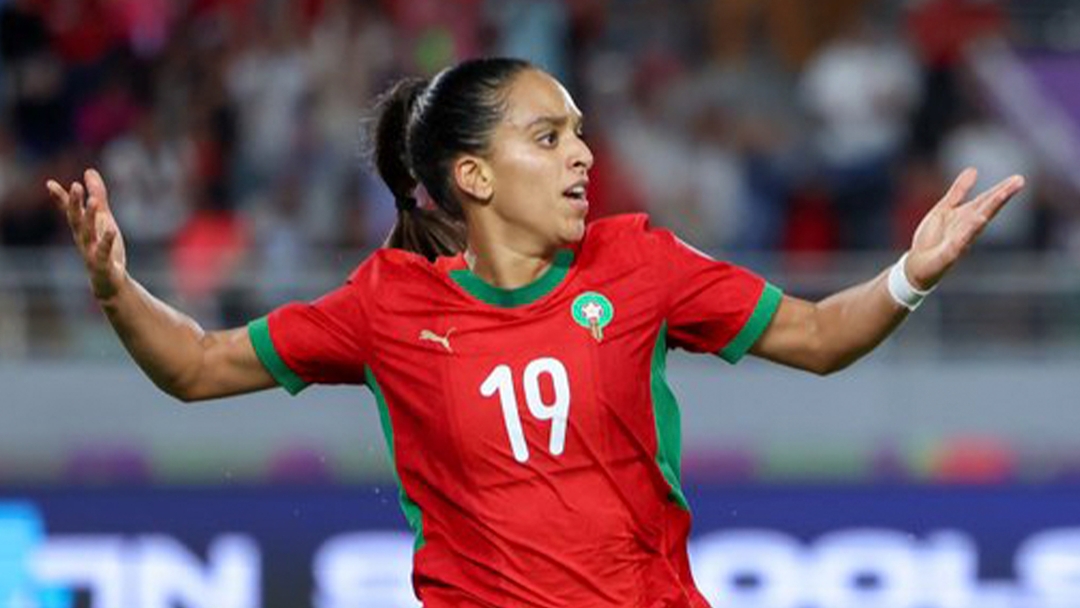
Morocco appeared headed for their first WAFCON title after goals from Ghizlane Chebbak and Mssoudy Sanaa gave them a commanding 2-0 first-half lead. The Rabat Olympic Stadium erupted, while Nigerian fans fell silent as their team faced their biggest adversity of the tournament.
The turning point came early in the second half when forward Esther Okoronkwo converted a 53rd-minute penalty. The goal reinvigorated Nigeria, and defender Folashade Ijamilusi’s headed equalizer from a corner kick in the 72nd minute swung momentum completely in their favor.
| Nigeria’s Comeback Goals | Minute | Scorer |
|---|---|---|
| Opening Goal | 53′ | Okoronkwo (pen) |
| Equalizer | 72′ | Ijamilusi |
| Winner | 88′ | Echegini |
The dramatic climax came in the 88th minute when substitute Jennifer Echegini latched onto Okoronkwo’s well-placed free kick to score the championship-winning goal. The bench erupted as Nigeria completed one of the most remarkable comebacks in WAFCON history.
Financial Impact: Prize Money and Future Investments
The champions received a $1 million prize – double the amount from the 2022 edition – as the Confederation of African Football (CAF) increased the tournament’s total prize pool by 45%. This reflects the growing commercial value and prestige of women’s football across the continent.
Breaking down the financial implications:
- $1 million: Winners’ prize (from $500,000 in 2022)
- $600,000: Runners-up prize for Morocco
- $150,000: Prize money for semifinalists
These increased financial rewards come as CAF implements its Women’s Football Transformation Strategy, aiming to professionalize the game across Africa. Nigeria’s victory serves as both inspiration and proof of concept that investment in women’s football yields returns.
Individual Brilliance: Tournament Standouts and MVP Debate
While the official Player of the Tournament award went to Morocco’s Ghizlane Chebbak, multiple Nigerian players staked claims for individual honors through their performances:
Esther Okoronkwo: The Engine of Nigeria’s Attack
With 3 goals and 4 assists, the 24-year-old forward was Nigeria’s creative fulcrum. Her tireless running and clever link-up play created problems for every defense she faced. That Okoronkwo wasn’t originally a starter remains one of the tournament’s biggest mysteries.
Chiamaka Nnadozie: Safe Hands Between the Posts
The Paris FC goalkeeper conceded just 4 goals in 6 matches, showcasing why she’s considered one of Africa’s best shot-stoppers. Her penalty save in the semifinal against Cameroon proved decisive in reaching the final.
Jennifer Echegini: Super Sub Turned National Hero
The 23-year-old midfielder made her impact felt despite starting just one match. Her 88th-minute championship-winning goal immortalized her in Nigerian football history, proving the depth of Waldrum’s squad.
Looking Ahead: World Cup Qualification and Future Challenges
As WAFCON champions, Nigeria automatically qualifies for the 2025 FIFA Women’s World Cup in Germany. This presents an opportunity to improve upon their round of 16 exit at the 2023 tournament in Australia and New Zealand.
Key challenges awaiting the Super Falcons:
- World Cup expectations: Nigeria needs to advance beyond the group stage consistently
- Squad evolution: Several veterans may retire before 2025
- Grassroots development: Sustaining the pipeline of young talent
- African competition: Morocco and South Africa continue to improve rapidly
The Nigerian Football Federation faces crucial decisions regarding coaching staff continuity, domestic league improvements, and youth development investments to maintain their continental supremacy while becoming more competitive globally.
Comparing African Football’s Gender Landscape
The Super Falcons now hold more continental titles (10) than Nigeria’s more famous Super Eagles (3 AFCON titles), highlighting the often overlooked success of women’s football in Africa’s most populous nation.
| Team | Continental Titles | World Cup Best Finish |
|---|---|---|
| Super Falcons (Women) | 10 | Quarterfinals (1999) |
| Super Eagles (Men) | 3 | Round of 16 (1994, 1998, 2014) |
This disparity in continental success versus global performance presents both challenges and opportunities for Nigerian football administrators to address the different resources afforded to men’s and women’s programs.

Comments