
Illinois Governor JB Pritzker has sharply condemned Texas Republicans’ redistricting plan, calling it a “Trump-backed power grab” that threatens democracy. The escalating confrontation pits Democratic lawmakers fleeing the state against GOP efforts to redraw congressional maps mid-decade.
As pressure mounts on President Biden to intervene, Pritzker positions himself as a leading national voice against what he describes as Republican voter suppression tactics. The clash highlights growing partisan tensions over electoral map battles that could determine control of Congress.
- Illinois Gov. JB Pritzker condemns Texas GOP’s redistricting plan, framing it as part of a broader Republican strategy to undermine democracy and voting rights.
- Pritzker positions himself as a national Democratic leader by hosting fleeing Texas Democrats and discussing potential counter-gerrymandering measures in blue states like Illinois.
- The standoff reflects escalating partisan clashes over election rules, with Texas Republicans pushing for mid-decade redistricting that could net 4-5 additional GOP House seats.
- Pressure mounts on President Biden to intervene as the Texas battle becomes a litmus test for Democratic commitment to protecting voting rights against Trump-aligned efforts.
JB Pritzker Condemns Texas GOP Redistricting Plan as Biden Faces Pressure to Intervene Against Trump-Backed Power Grab
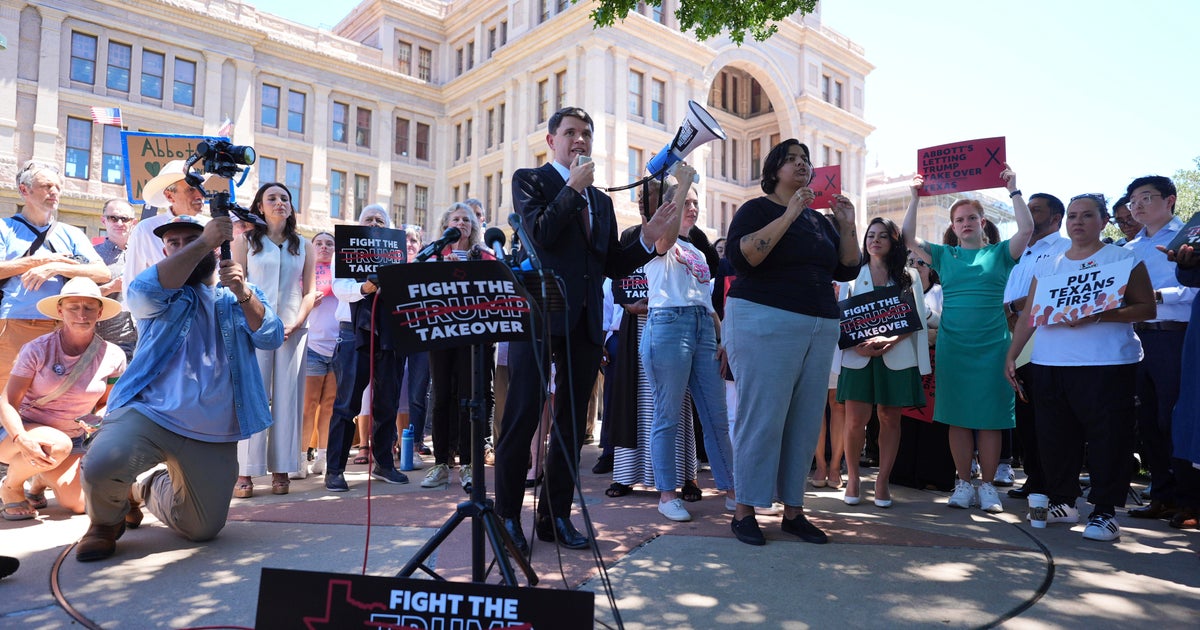
Texas Democrats Stage Dramatic Walkout Over GOP Redistricting Plan
Texas Democratic lawmakers have once again left the state in a dramatic attempt to block Republican-led redistricting efforts, marking the second such walkout since 2021. The current confrontation stems from GOP proposals to redraw congressional maps mid-decade, a move Democrats argue constitutes an unconstitutional power grab designed to solidify Republican control of Texas’ congressional delegation.
Governor Greg Abbott has called a special legislative session to push through the new district maps, threatening to remove absent Democrats from office. The proposed changes would create two new safe Republican seats while forcing three Democratic incumbents to compete against each other in consolidated districts. Legal experts note the plan would particularly dilute minority voting strength in three districts experiencing significant demographic changes.

Historical Precedents for Legislative Walkouts
This Texas confrontation follows similar political battles across the country:
- Oregon 2023: Republican senators staged longest walkout in state history over climate bills
- Wisconsin 2011: Democrats fled to Illinois to block anti-union legislation
- Texas 2003: Democratic lawmakers famously fled to Oklahoma in redistricting fight
JB Pritzker Emerges as National Voice Against GOP Redistricting
Illinois Governor JB Pritzker has positioned himself as a leading Democratic critic of the Texas redistricting effort, hosting fleeing lawmakers in Chicago and framing the issue as a national voting rights emergency. Pritzker’s vocal opposition aligns with his broader strategy of confronting Republican policies nationally, reinforcing his position as a potential 2028 presidential contender.

The Illinois governor warned that Democrats might respond with counter-gerrymandering in blue states: “When one side abandons all restraint and precedent, the other cannot unilaterally disarm.” Pritzker’s rhetoric has escalated the conflict from a state political dispute into a national debate about democratic norms.
Potential Democratic Countermeasures
Sources indicate Democratic governors are considering coordinated responses:
| State | Possible Action |
|---|---|
| Illinois | Accelerated redistricting to maximize Democratic seats |
| California | Campaign finance measures targeting Texas Republicans |
| New York | Legal challenges through allied organizations |
Constitutional Crisis Looms Over Removal Threat
Governor Abbott’s attempt to have the Texas Supreme Court declare the absent Democrats’ seats vacant represents an unprecedented escalation. While Texas law grants legislatures wide procedural latitude, legal scholars debate whether removing elected officials for political protest violates constitutional protections of voter representation.
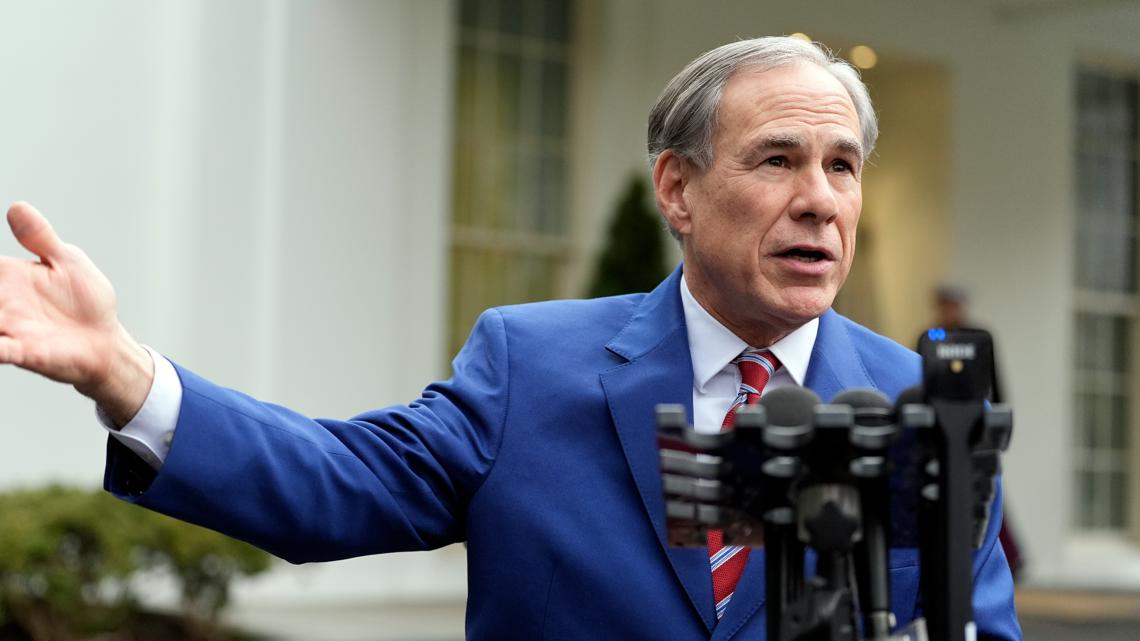
Historical precedents offer mixed guidance. In 2023, Oregon barred walkout participants from reelection, while Wisconsin took no action against absent legislators in 2011. The Texas case is complicated by Abbott’s threat to replace removed lawmakers through special elections – a move that could dramatically alter the legislature’s balance of power mid-session.
Biden Administration’s Dilemma: Intervene or Stay Out?
The White House faces mounting pressure to address the Texas redistricting battle through Justice Department lawsuits alleging Voting Rights Act violations. However, administration officials reportedly fear creating a federalism flashpoint before the 2026 midterms, particularly given the Supreme Court’s recent narrowing of federal oversight of state elections.
Civil rights leaders argue that federal inaction could embolden similar redistricting efforts in other Republican-controlled states, potentially locking in GOP advantages for a decade. Yet aggressive intervention risks reinforcing Republican narratives about Democratic overreach and could complicate Biden’s reelection efforts in purple states.
Potential Federal Actions
- Voting Rights Act lawsuits targeting specific districts
- Congressional hearings on Texas redistricting
- Executive orders protecting election workers
- Mobilization of DOJ civil rights division observers
Trump’s Role in Fueling the Redistricting Battle
The current crisis traces directly to former President Trump’s July demand that Texas Republicans redraw maps to deliver five additional GOP congressional seats. Analysis shows the proposed changes would shift Texas’ 24-14 Republican congressional advantage to a potential 27-11 margin, offsetting expected Democratic gains elsewhere in 2026.
Trump’s involvement reflects his continued influence over GOP strategy and his focus on controlling election mechanisms. The former president has framed redistricting battles as part of his broader “election integrity” campaign, though Democrats contend these efforts constitute voter suppression targeting minority communities.
The National Implications for Congressional Control
With Republicans currently holding a narrow 220-212 House majority, Texas’ redistricting could prove decisive in determining control of Congress through 2030. The GOP’s proposed changes might insulate their majority against anticipated losses in states like New York and California, where Democrats face their own redistricting challenges.
The conflict also raises existential questions about representative democracy itself. If legislatures can redraw maps whenever partisan advantages shift, the stability of electoral systems becomes compromised. Some scholars warn this could lead to a doom loop of perpetual redistricting battles eroding public trust in democratic institutions.

Key Dates in the Coming Showdown
- August 15: Texas Supreme Court hearing on seat vacancies
- August 20: Deadline for federal Voting Rights Act challenges
- September 1: Scheduled start of Texas special session
- October 15: Candidate filing deadline for potential special elections
Comments