
August 2025’s celestial spectacle culminates with the Full Sturgeon Moon on the 9th at 8:55 AM UTC, coinciding with the peak of the dazzling Perseid meteor shower.
This rare cosmic alignment offers skywatchers a double feature of lunar brilliance and meteor streaks. The moon will appear full from August 8-10, while the Perseids reach maximum activity just days later on August 12-13.
Though the waning gibbous moon’s brightness may reduce meteor visibility, this seasonal blue moon event promises unforgettable summer night displays. Native American traditions named this lunar phase after the Great Lakes’ abundant sturgeon fish.
- The Full Sturgeon Moon peaks on August 9, 2025 at 8:55 AM UTC, appearing full for approximately 3 days (August 8-10).
- This August moon is a “seasonal blue moon”—the third of four full moons in its season—making it astronomically significant.
- Optimal viewing occurs at moonrise on August 8-10, with moonrise times varying by location (e.g., 8:14 PM EDT in New York, 6:12 PM JST in Tokyo).
- The Perseid meteor shower peaks August 12-13, though moonlight will reduce visible meteors from 60-100/hour to 15-30/hour.
- Native American traditions named it the Sturgeon Moon for seasonal fish patterns, while other cultures call it the Grain Moon or Green Corn Moon.
Full Sturgeon Moon August 2025: Key Dates and Significance
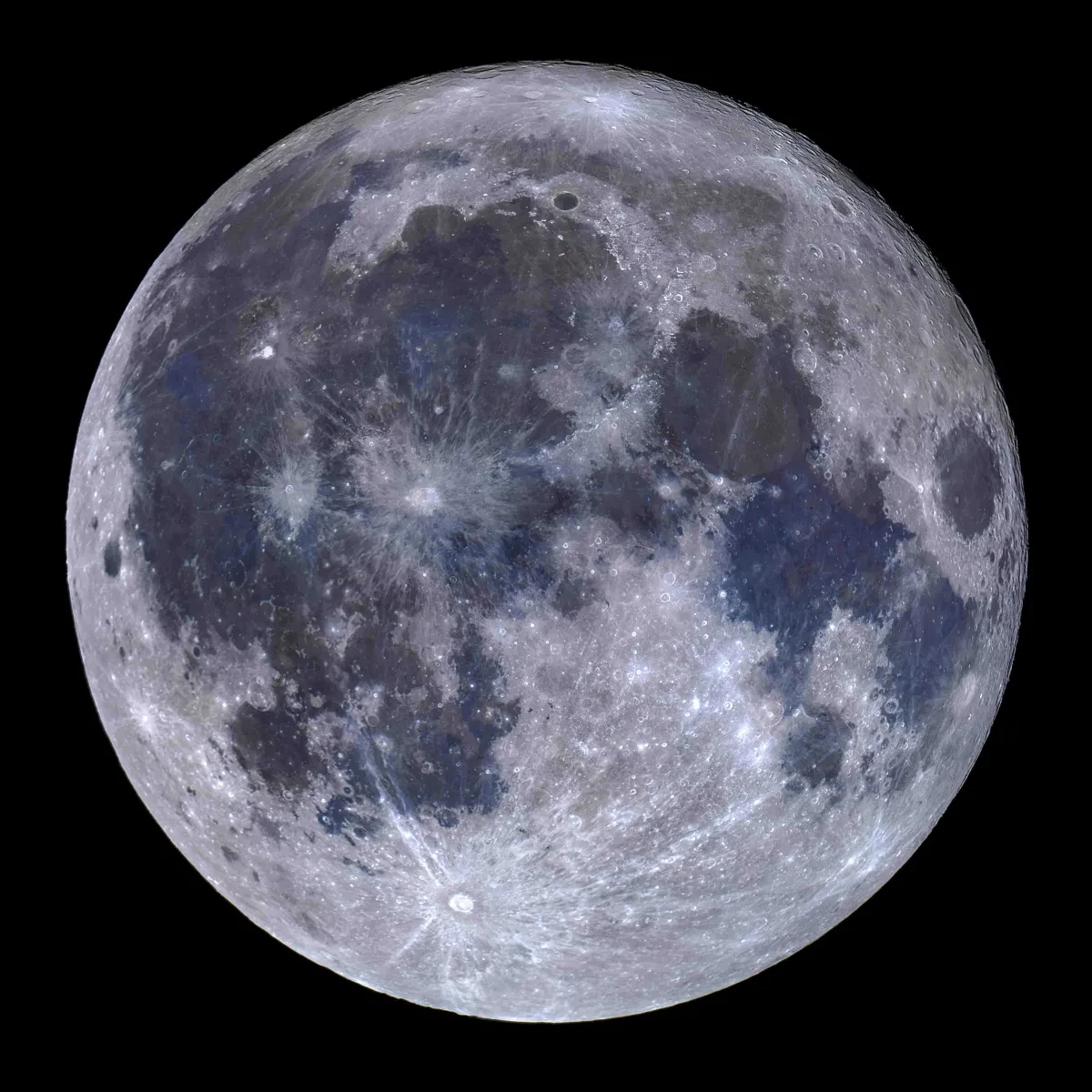
The celestial highlight of August 2025 arrives on Saturday, August 9 at 8:55 AM UTC when the Full Sturgeon Moon reaches peak illumination. Named by Native American tribes for the abundant sturgeon fish in the Great Lakes during this period, this lunar event holds cultural significance across many traditions. Astronomically, this will technically be a “seasonal blue moon” – the third of four full moons in a single season.
What makes August 2025’s full moon particularly noteworthy is its cosmic pairing with the Perseid meteor shower, which peaks just days later on August 12-13. While the moon’s brightness initially seems detrimental for meteor viewing, this alignment creates unique photographic opportunities when combining lunar close-ups with long-exposure meteor trails.
- The moon appears full approximately 2-3 days due to human eye perception thresholds
- Historical names include Corn Moon (Algonquin) and Grain Moon (Celtic)
- Occurs during perigee (closer orbit point), appearing slightly larger than average

Why the Sturgeon Moon Marks Seasonal Transition
Agricultural societies closely observed this moon as summer’s final bright lunar phase before autumn’s cooler nights. The moon’s position lower on the horizon creates elongated moonrises through atmospheric refraction – an effect known colloquially as the “Moon Illusion.” Modern astronomers confirm August full moons typically shine through more atmospheric haze than winter moons, often appearing golden-orange rather than silver-white.
Optimal Viewing Times and Locations
| City | Moonrise (Aug 9) | Best Viewing Window |
|---|---|---|
| New York | 8:14 PM EDT | 9:00 PM – Midnight EDT |
| London | 8:45 PM BST | 9:30 PM – 1:00 AM BST |
| Tokyo | 6:12 PM JST | 7:00 PM – 10:00 PM JST |
For prime lunar photography, aim for the thirty-minute window after moonrise when the moon appears largest near horizons due to psychological perception effects. Contrastingly, observing the moon at its zenith provides the clearest atmospheric conditions for telescopic viewing of craters and maria (lunar plains).
Equipment Recommendations
While the moon appears stunning to naked eyes, modest optical enhancement reveals incredible detail:
- Binoculars (7×50 or 10×50): Reveal craters and lunar seas
- Entry-level telescopes (70mm+): Show mountain shadows and ray systems
- Smartphone adapters: Allow basic photography through eyepieces
The Perseid Meteor Shower Connection
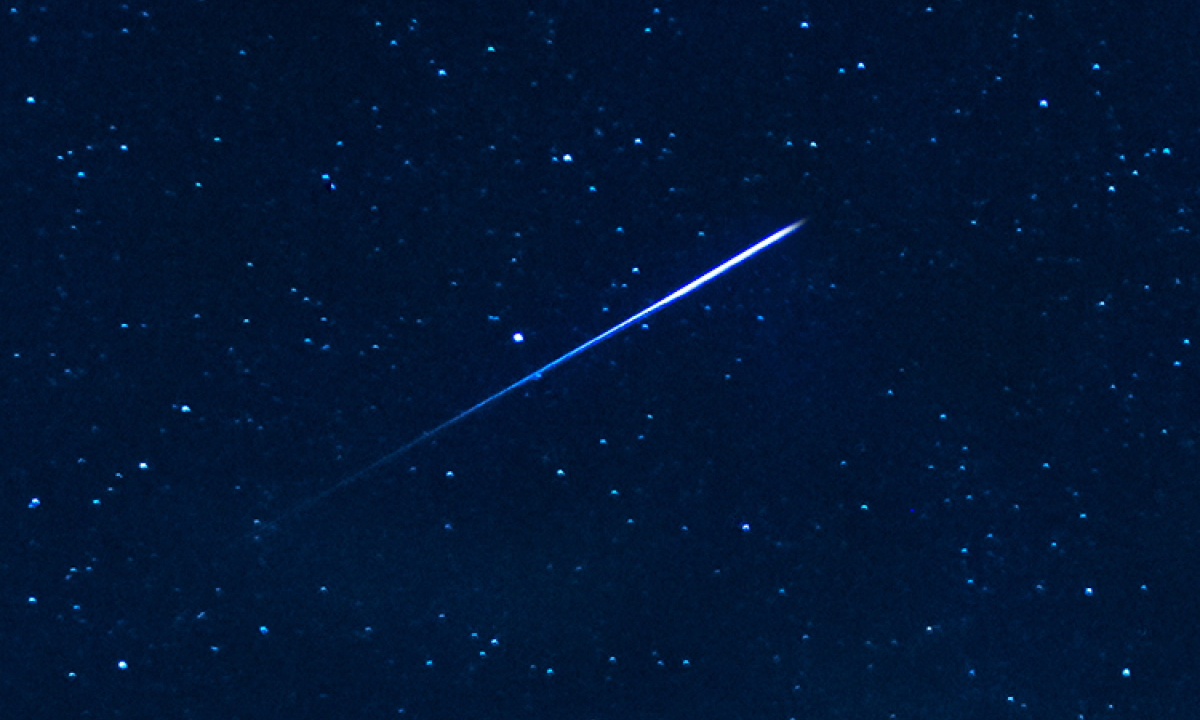
Though competing with lunar brightness, August 12-13’s Perseid meteor shower still promises 15-30 visible meteors per hour for dedicated observers. The shower’s radiant point in Perseus constellation reaches optimal altitude around 2 AM local time, with earth-grazing meteors often appearing near northeastern horizons.
Key meteor viewing strategies include:
- Position yourself with the moon at your back
- Use terrain or structures to artificially block moonlight
- Focus on predicted outburst periods around 4:00 UTC August 13
Photographing Moonlit Meteors
Modern DSLRs can capture this rare alignment through specific techniques:
- Use manual mode with ISO 1600-3200
- Experiment with 10-30 second exposures
- Combine multiple frames in post-processing
- Include landscape elements for dramatic scale
Cultural and Historical Significance
The Sturgeon Moon features prominently in Northern Hemisphere folklore:
- Native American: Fish harvest moon, communal celebration
- European: “Hungry Gap” moon before harvests
- East Asian: Precursor to Mid-Autumn Festival
- Modern: Inspiration for music and art festivals
Contemporary astronomers note how August’s moon phases influenced early calendars and agricultural planning. The visibility of lunar features during this period helped ancient societies track seasonal transitions with observable precision unavailable through solar observations alone.
Lunar Effect Myths Debunked
While popular culture associates full moons with unusual events, scientific analyses reveal:
| Claim | Scientific Consensus |
|---|---|
| Increased births | No correlation found |
| Crime waves | Confirmation bias |
| Mental health episodes | No significant link |
Future Astronomical Events Following the Sturgeon Moon
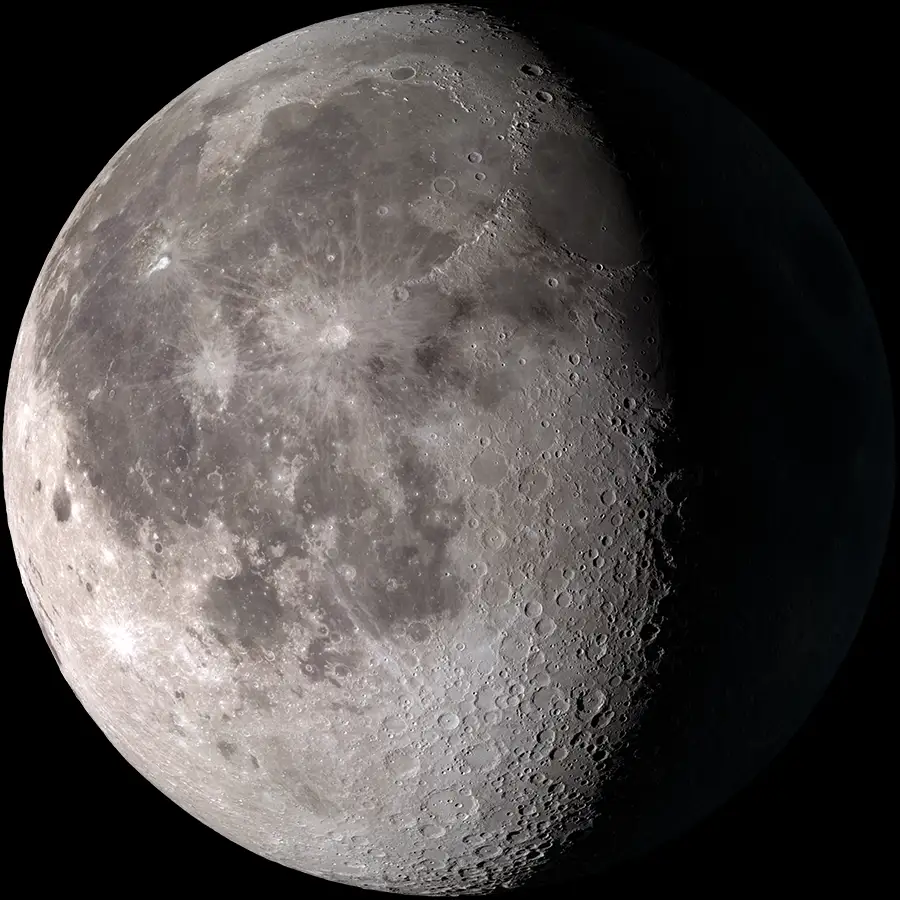
The August 2025 full moon heralds several upcoming celestial events:
- August 23: New Moon (optimal deep-sky observing)
- September 7: Full Corn Moon with partial lunar eclipse
- October 22: Orionid meteor shower peaks
Long-Term Lunar Planning
Astronomy enthusiasts should mark these future Sturgeon Moon dates:
- August 28, 2026 (evening visibility favored for Americas)
- August 16, 2027 (perigee “supermoon” variant)
- August 4, 2028 (early evening Asian visibility)
Comments