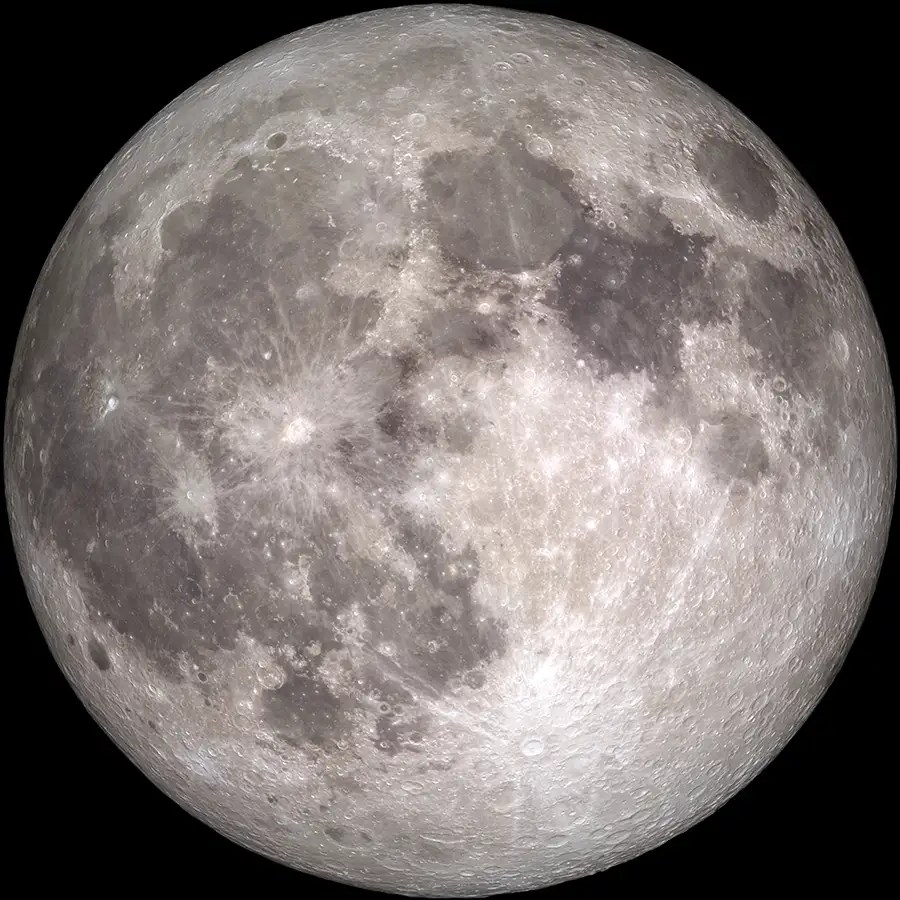
The August 2025 full moon, known as the Sturgeon Moon, will reach its peak illumination on August 9 at 3:55 a.m. EDT, offering skywatchers a brilliant celestial display. This lunar event coincides with the peak of the annual Perseid meteor shower, creating a unique astronomical phenomenon.
While the Sturgeon Moon promises breathtaking views, its intense brightness will significantly reduce visibility of the Perseids’ fainter meteors. Astronomers recommend planning observations carefully to enjoy both events, with optimal meteor viewing occurring before moonrise or in darker sky locations away from urban light pollution.
The name “Sturgeon Moon” originates from Native American traditions marking the abundance of sturgeon fish during this summer month. This full moon holds special significance as it’s the last of summer 2025 and appears near Jupiter and Venus in the night sky.
- The August 2025 full moon (Sturgeon Moon) peaks on August 9 at 3:55 a.m. EDT, appearing full for approximately three days around this date.
- The full moon’s brightness will significantly reduce visibility of the Perseid meteor shower, with only 10-20 of the brightest meteors per hour visible compared to the usual 50-100.
- Best alternative viewing times for the Perseids are July 28-August 5 (excellent visibility) and August 15-24 (good visibility), when moon interference is less.
- The 2025 Sturgeon Moon occurs in Aquarius constellation and appears near both Jupiter and Venus, adding extra celestial interest to the event.
When Is the Full Moon in August 2025? Exact Sturgeon Moon Date and Time
The August 2025 full moon, traditionally called the Sturgeon Moon, will reach its peak illumination at 3:55 a.m. EDT on August 9, 2025. This marks the eighth full moon of the year and the final full moon of summer in the Northern Hemisphere. Astronomers note that the moon will appear visually full for approximately three days centered on this date – from the evening of August 8 through the morning of August 11.
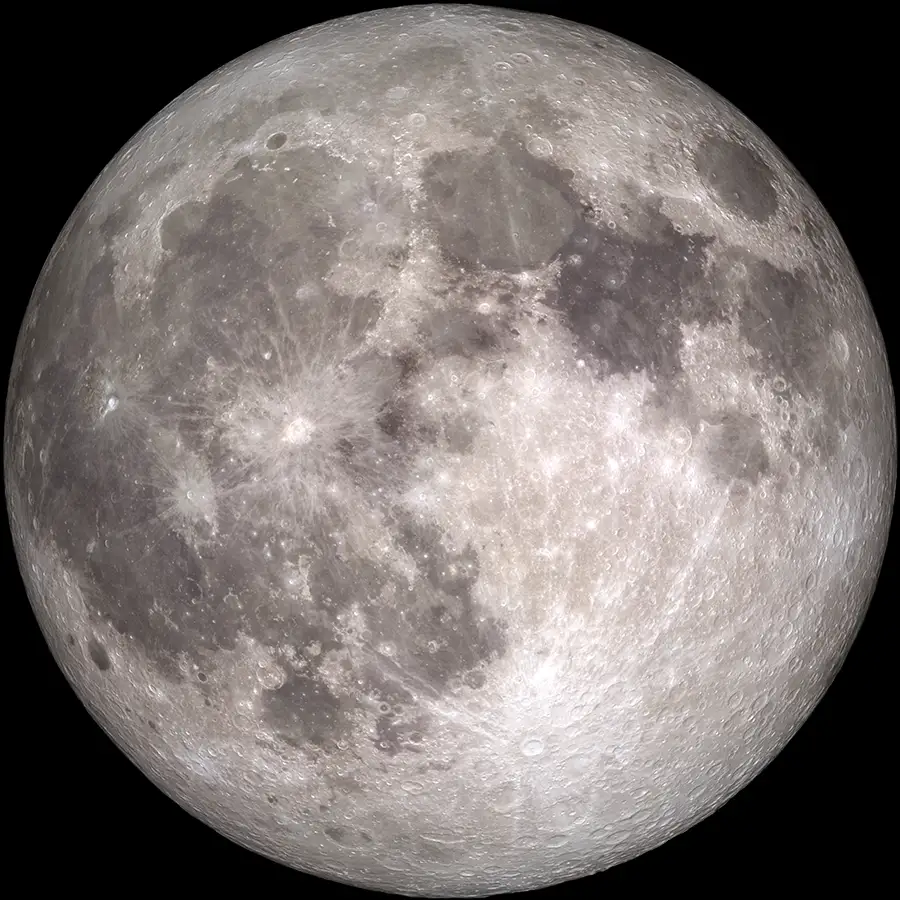
Unlike some special lunar events, the 2025 Sturgeon Moon won’t qualify as a supermoon or blue moon. It will be at a normal orbital distance of about 251,000 miles from Earth during peak illumination. However, atmospheric conditions near the horizon may create the famous “moon illusion,” making it appear larger and more golden when viewed low in the sky.

Why the Sturgeon Moon Name?
The name originates from Native American traditions, particularly among Algonquin tribes living around the Great Lakes and other major water systems. August was historically when sturgeon fish were most abundant and easier to catch in these regions. Colonial Americans later adopted these seasonal moon names from various Native cultures.
How the Sturgeon Moon Impacts Perseid Meteor Shower Viewing
The August 2025 full moon presents a significant challenge for Perseid meteor shower observers, as its intense brightness will dominate the night sky during the meteor shower’s peak. The Perseids, one of the most reliable annual meteor showers, typically peak around August 11-13. This unfortunate timing means the nearly full moon will still be blazing brightly during the shower’s most active period.
Under ideal dark sky conditions without moonlight interference, observers might see 50-100 meteors per hour during the Perseid peak. However, in 2025, the moon’s glare will likely reduce visibility to just 10-20 of the very brightest meteors per hour.

Best Strategies for Moonlit Meteor Watching
While challenging, observing efforts can be optimized by:
- Viewing after moonset or before moonrise (check local times)
- Positioning yourself with the moon at your back if visible
- Using buildings or terrain to block direct moonlight
- Focusing on viewing areas of the sky farthest from the moon
Alternative Viewing Times for the 2025 Perseids
Fortunately, the six-week duration of the Perseid meteor shower provides several good viewing opportunities outside the affected peak period:
| Date Range | Moon Phase | Visibility Quality |
|---|---|---|
| July 28-August 5 | Waning crescent to new moon | Excellent dark skies |
| August 15-24 | Waning gibbous to last quarter | Good before moonset |
The mornings of August 6-7 may offer the best compromise – the moon rises progressively later each morning as it wanes, creating expanding windows of darker skies before dawn.

Photographing the Sturgeon Moon and Perseids
Creative photographers can capture both celestial events using these specialized techniques:
For Combined Moon and Meteor Shots
- Use DSLR/mirrorless with manual mode (ISO 1600-3200)
- Wide-angle lens (14-24mm) to frame both subjects
- 10-30 second exposures to capture meteors
- Shoot multiple frames for later compositing
For Detailed Moon Photos
- Telephoto lens (200mm+) for close-ups
- Lower ISO (100-400) for cleaner images
- Fast shutter speeds (1/125-1/250 sec)
- Narrow aperture (f/8-f/11) for sharpness

Future Perseid Meteor Shower Conditions
For those disappointed by 2025’s moon interference, upcoming years offer better viewing conditions:
| Year | Peak Date | Moon Phase | Visibility |
|---|---|---|---|
| 2026 | August 11-12 | New Moon | Excellent |
| 2027 | August 11-13 | Waxing crescent | Good |
| 2028 | August 11-12 | First quarter | Fair |
2026 will be particularly spectacular with a predicted 100-150 meteors per hour visible under new moon darkness. The Perseids’ parent comet, Swift-Tuttle, last passed through the inner solar system in 1992 and will return in 2126, but the annual debris trail it leaves behind creates this reliable summer meteor shower.
Scientific Significance of the Sturgeon Moon
The August 2025 full moon holds several astronomical points of interest:
Celestial Positioning
- Located in constellation Aquarius during full illumination
- Approaches within 5 days of lunar perigee (closest orbital point)
- Part of a seasonal “blue moon” sequence (third of four full moons this season)
Planetary Alignments
Skywatchers can enjoy the added bonus of planetary neighbors:
- Jupiter visible to the moon’s upper left
- Bright Venus shining to the lower right
- Mars may be faintly visible higher in the sky

Comments