
As Walker Buehler’s dominant 6-inning shutout against the Padres fuels Boston’s playoff push, questions mount about Masataka Yoshida’s future role in the Red Sox lineup. The designated hitter spot, once Yoshida’s secure position, now faces uncertainty amidst the team’s offensive depth.
With Buehler stabilizing the rotation, Yoshida’s limited playing time has become a growing concern for fans. The 31-year-old’s .285 career average remains valuable, but his defensive limitations confine him to a platoon DH role during Boston’s crucial postseason chase.
- Masataka Yoshida’s DH role with the Red Sox is under scrutiny following Walker Buehler’s dominant 6-inning shutout and the team’s offensive depth.
- Yoshida, returning from a labrum injury in July, is platooning at DH with a .272 average but faces defensive limitations and competition for playing time.
- The Red Sox are cautiously managing his workload, prioritizing his bat in the playoff push while weighing his $18M club option for 2026.
Masataka Yoshida’s Uncertain Future with the Red Sox: Analyzing the DH Dilemma
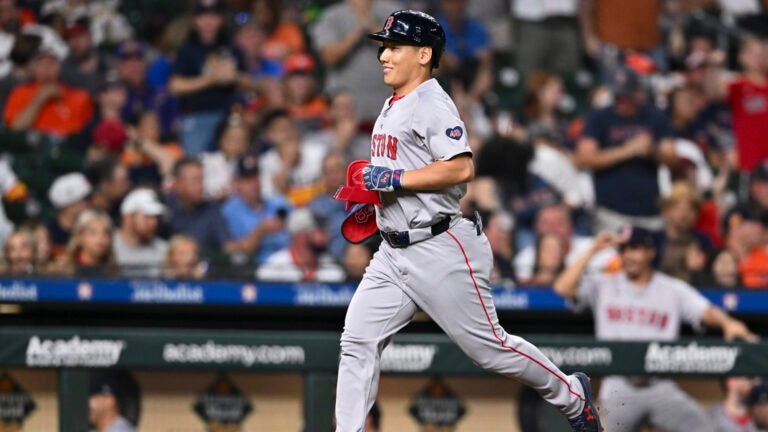
The Boston Red Sox face a strategic crossroads regarding Masataka Yoshida’s role following Walker Buehler’s dominant 6-inning shutout against the Padres on August 8. While Buehler’s pitching performance (0 ER, 5 Ks) solidified the rotation, it inadvertently highlighted Yoshida’s diminishing presence in the lineup. The Japanese designated hitter, who returned from a labrum injury in July, has seen reduced playing time despite maintaining a .272 average through 18 games.
Boston’s current platoon system with Rob Refsnyder has limited Yoshida to facing right-handed pitchers, a strategy that proved effective during the 10-2 Padres victory where Yoshida was strategically benched against left-hander Blake Snell. The organization must now weigh Yoshida’s offensive consistency (.345 RISP average) against the need for defensive flexibility during their playoff push.

Yoshida’s 2025 Performance Metrics
| Stat | vs RHP | vs LHP |
|---|---|---|
| Batting Avg | .298 | .213 |
| Slugging % | .486 | .362 |
Injury Recovery Timeline and Defensive Limitations

Yoshida’s labrum injury has significantly impacted his defensive capabilities, restricting him to just one inning in left field this season. The Red Sox medical staff maintains strict protocols to protect his surgically-repaired shoulder, prioritizing his batting over outfield duties. This cautious approach stems from Yoshida’s history of defensive struggles, evidenced by -6 Defensive Runs Saved during his 2024 campaign.
The organization faces mounting pressure to either reintegrate Yoshida defensively or accept him as a pure DH. With Jarren Duran’s emergence (+12 OAA in 2025) and Wilyer Abreu’s reliable glove, Boston’s outfield appears set, leaving Yoshida’s primary value in his bat.
Comparative Analysis: Yoshida vs. AL East DHs
When weighing Yoshida’s production against division rivals, notable contrasts emerge:
- Power Production: Giancarlo Stanton’s 24 HR dwarf Yoshida’s 3
- Contact Hitting: Yoshida’s .272 avg trails only Yandy Díaz (.298) among AL East DHs
- Clutch Performance: Yoshida’s .345 RISP avg leads all qualifying DHs
The Red Sox must determine whether Yoshida’s contact-oriented approach provides sufficient value compared to traditional power-hitting DHs. His 11 RBIs in 18 games translates to a 99-RBI pace over 162 games, suggesting untapped run-production potential.
Contract Implications and 2026 Outlook
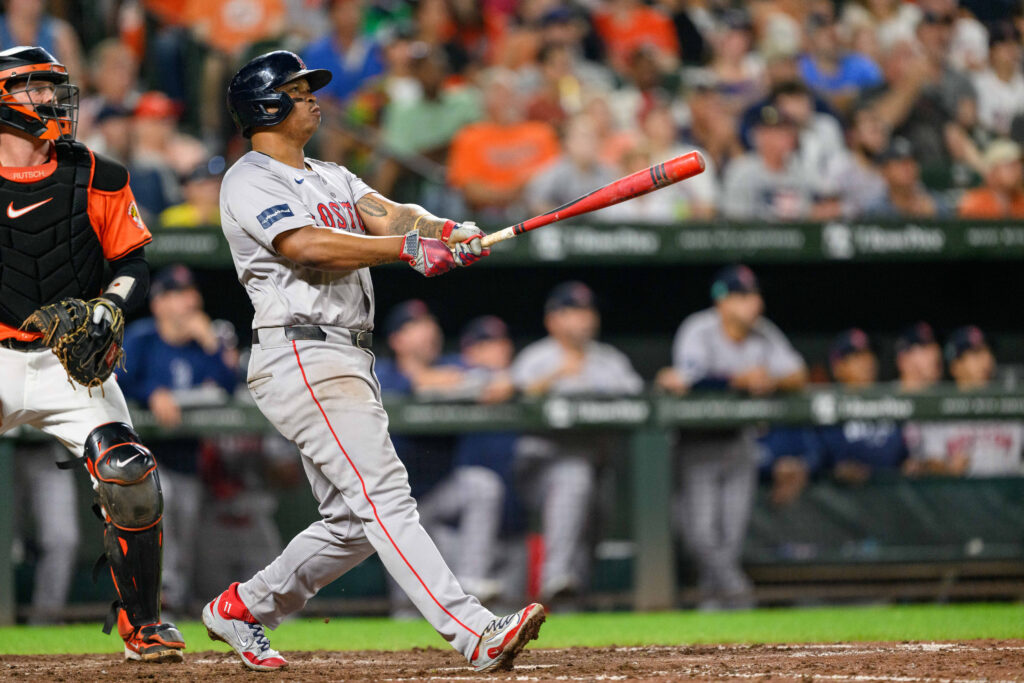
Yoshida’s $18 million club option for 2026 looms large over Boston’s future planning. Several factors complicate this decision:
- The emergence of prospect Roman Anthony as a potential DH/OF hybrid
- Yoshida’s age (32 in 2026) and injury history
- The market scarcity of left-handed contact hitters
Boston’s trade deadline inaction suggests temporary commitment to Yoshida, but his September performance may dictate their long-term plans. The DH market features limited upgrades, potentially making Yoshida’s option more appealing despite the cost.
Playoff Roster Construction: Yoshida’s Potential Impact
As Boston battles for postseason positioning, Yoshida’s role becomes increasingly situational. Key considerations include:
- Series Matchups: His .912 NPB playoff OPS suggests October capability
- Pinch-Hitting: Career .301 avg vs right-handed relievers
- Roster Flexibility: DH spot could rotate in NL parks
The Red Sox must balance Yoshida’s offensive upside against the need for defensive versatility in potential elimination games. His lack of positional flexibility could force difficult roster decisions when constructing a 26-man playoff squad.
Projected Playoff DH Usage
| Situation | Likely DH |
|---|---|
| vs RHP Starter | Yoshida (85%) |
| vs LHP Starter | Refsnyder (75%) |
| Late Innings | Matchup Dependent |
Comments