
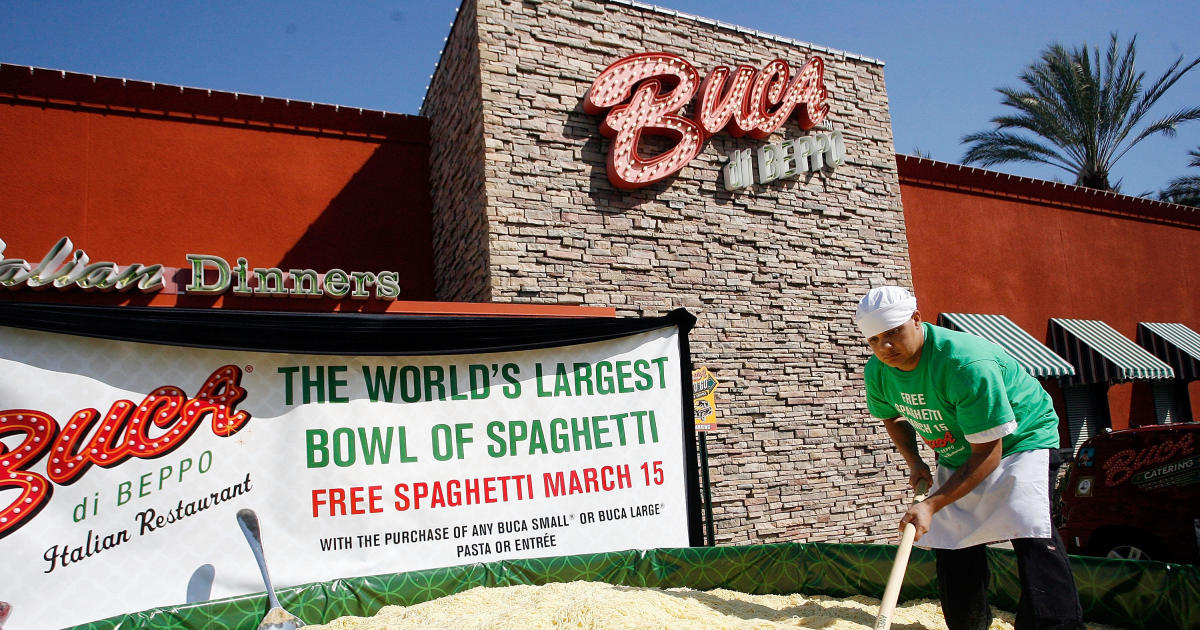
The Italian restaurant chain Buca di Beppo has filed for Chapter 11 bankruptcy, becoming the latest casualty in the struggling casual dining sector. The family-style chain cited plummeting revenues and $10 million in debt, including over $1 million in unredeemed gift cards, as key factors in its financial collapse.
With 17 locations already closed and 44 remaining operational, Buca’s bankruptcy raises alarming questions about the future of mid-tier Italian chains. As inflation-weary diners cut back, industry analysts warn competitors like Olive Garden and Cheesecake Factory may face similar pressures despite stronger financial footing.
The filing follows multiple pandemic-era restaurant bankruptcies, signaling a brutal reshuffling of the casual dining landscape where only chains with scale and adaptability will survive.
- Buca di Beppo filed for Chapter 11 bankruptcy in August 2024, citing a 10% revenue decline and $10 million in debt, including $1.36 million in unredeemed gift cards.
- The chain closed 17 locations nationwide, leaving 44 restaurants operational, while continuing to pursue franchise opportunities and potential relocations.
- This reflects broader struggles in the casual dining sector, with rising food costs, labor expenses, and shifting consumer habits pressuring Italian chains like Bravo Cucina Italiana (which filed twice in 5 years).
- While major chains like Olive Garden show resilience (+3.2% sales growth), industry analysts warn the mid-tier casual dining segment faces painful consolidation.
Why Italian Restaurant Chain Buca di Beppo Filed Chapter 11 Bankruptcy: Could Olive Garden & Cheesecake Factory Face Similar Risks?

The Financial Collapse of Buca di Beppo: A Case Study in Restaurant Industry Struggles
Buca di Beppo’s Chapter 11 bankruptcy filing in August 2024 reveals deeper issues plaguing mid-tier casual dining chains. The Italian restaurant chain reported a 10% revenue decline to $74.8 million in the first five months of 2024 compared to 2023, with $10 million in debt obligations including $1.36 million in unredeemed gift cards. What began as pandemic-era struggles transformed into systemic financial instability as customer foot traffic never fully recovered. The chain has closed 17 locations nationwide, maintaining operations at just 44 remaining restaurants.
Three critical factors drove Buca’s downfall:
- Failed pandemic adaptation – Family-style dining proved difficult for takeout/delivery models
- Urban location vulnerability – Office worker exodus reduced lunch traffic
- Menu inflexibility – Large portion sizes became economically unsustainable

Italian Restaurant Bankruptcy Epidemic: Who’s Next After Buca di Beppo?
The Italian casual dining segment shows disturbing patterns of financial instability. Bravo Cucina Italiana filed for its second bankruptcy in five years, while Bertucci’s has entered Chapter 11 three times since 2017. These recurring bankruptcies suggest fundamental flaws in the Italian casual dining business model, particularly:
| Chain | Bankruptcy Filings | Current Status |
|---|---|---|
| Buca di Beppo | 1 (2024) | 44 locations remaining |
| Bravo Cucina Italiana | 2 (2018, 2023) | Operational under new owners |
| Bertucci’s | 3 (2017, 2021, 2023) | 53 locations remaining |
The Urban Restaurant Crisis
Buca’s location closures overwhelmingly affected city centers, mirroring trends seen at Rubio’s Coastal Grill (48 California closures) and Cheesecake Factory’s shuttered Memphis location. Urban restaurants face triple threats:
- Reduced office worker populations
- Increased crime and safety concerns
- Higher commercial rents post-pandemic
Olive Garden vs. Buca di Beppo: Why Some Italian Chains Survive While Others Fail
While Buca struggles, Olive Garden continues posting same-store sales growth (3.2% last quarter). The divergence reveals crucial competitive advantages:
- Corporate backing: As part of Darden Restaurants (NYSE: DRI), Olive Garden benefits from shared procurement and marketing resources
- Real estate strategy: 32% of Olive Garden locations are company-owned versus Buca’s fully leased model
- Menu engineering: Olive Garden’s $13.99 unlimited pasta passes create consistent traffic
The Takeout Tipping Point
Olive Garden’s off-premise sales now comprise 20% of total revenue versus Buca’s estimated 8%. This digital ordering capability became a survival imperative during pandemic lockdowns that continues paying dividends as consumers maintain hybrid dining habits.
The Future of Italian Casual Dining: 5 Survival Strategies
Buca’s bankruptcy offers lessons for competing chains. Successful Italian restaurants will need to:
- Reconfigure portion economics – Offer half-size family meals and individual options
- Optimize real estate – Focus on suburban locations with lower rents
- Boost alcohol sales – Beverages carry 80%+ profit margins
- Digitize operations – From online ordering to tabletop payment systems
- Leverage nostalgia – Buca’s vintage photos remain an underutilized asset
Consumer Impact: What Buca’s Bankruptcy Means for Italian Food Lovers
Diners should anticipate both challenges and opportunities from the industry shakeup:
- More aggressive promotions: Expect extended happy hours and lunch specials as chains compete for reduced dining dollars
- Gift card precautions: While Buca honors current cards, consumers should use them promptly during bankruptcies
- Menu innovation: Authentic regional Italian dishes may replace generic offerings to justify price increases
The Silver Lining for Foodies
Bankruptcy often sparks culinary creativity. Buca’s rebirth could bring:
- Artisanal pasta upgrades using higher-quality ingredients
- Craft cocktail programs to boost profitability
- Loyalty programs with digital integration
Comments