
Arthur Rinderknech faces the challenge of his career as he prepares to take on US Open favorite Carlos Alcaraz in a fourth-round showdown. The unseeded Frenchman has defied expectations with his powerful serve-and-volley game, but Alcaraz remains unbeaten in their previous meetings.
Could this be tennis’ next seismic upset? Rinderknech’s towering serve and college-honed mental toughness make him uniquely dangerous, while Alcaraz carries the weight of defending champion expectations. This collision of styles promises fireworks under the New York lights.
- Arthur Rinderknech faces Carlos Alcaraz in the US Open fourth round as a massive underdog, despite his career-best Grand Slam run powered by a dominant serve (42 aces in 3 matches) and aggressive net play.
- The Frenchman’s late-bloomer profile—including NCAA tennis experience and 6’5″ frame—gives him unique tactical maturity and a serve-and-volley style that could disrupt Alcaraz’s rhythm.
- Though trailing 0-3 in their head-to-head, Rinderknech pushed Alcaraz to two tiebreaks in their last meeting, with night match conditions and New York’s underdog-friendly crowd adding potential upset variables.
Arthur Rinderknech vs Carlos Alcaraz: 5 Reasons the French Underdog Could Shock the US Open Favorite
The US Open has witnessed countless upsets, but Arthur Rinderknech’s potential shocker against Carlos Alcaraz would rank among the most improbable. The 30-year-old Frenchman, ranked No. 81, has defied expectations with his thunderous serve and aggressive net play, reaching his first Grand Slam fourth round. Meanwhile, Alcaraz enters as the tournament favorite with a perfect 3-0 record against Rinderknech and no sets dropped this fortnight. Yet tennis history reminds us that even the mightiest champions have fallen to inspired underdogs.
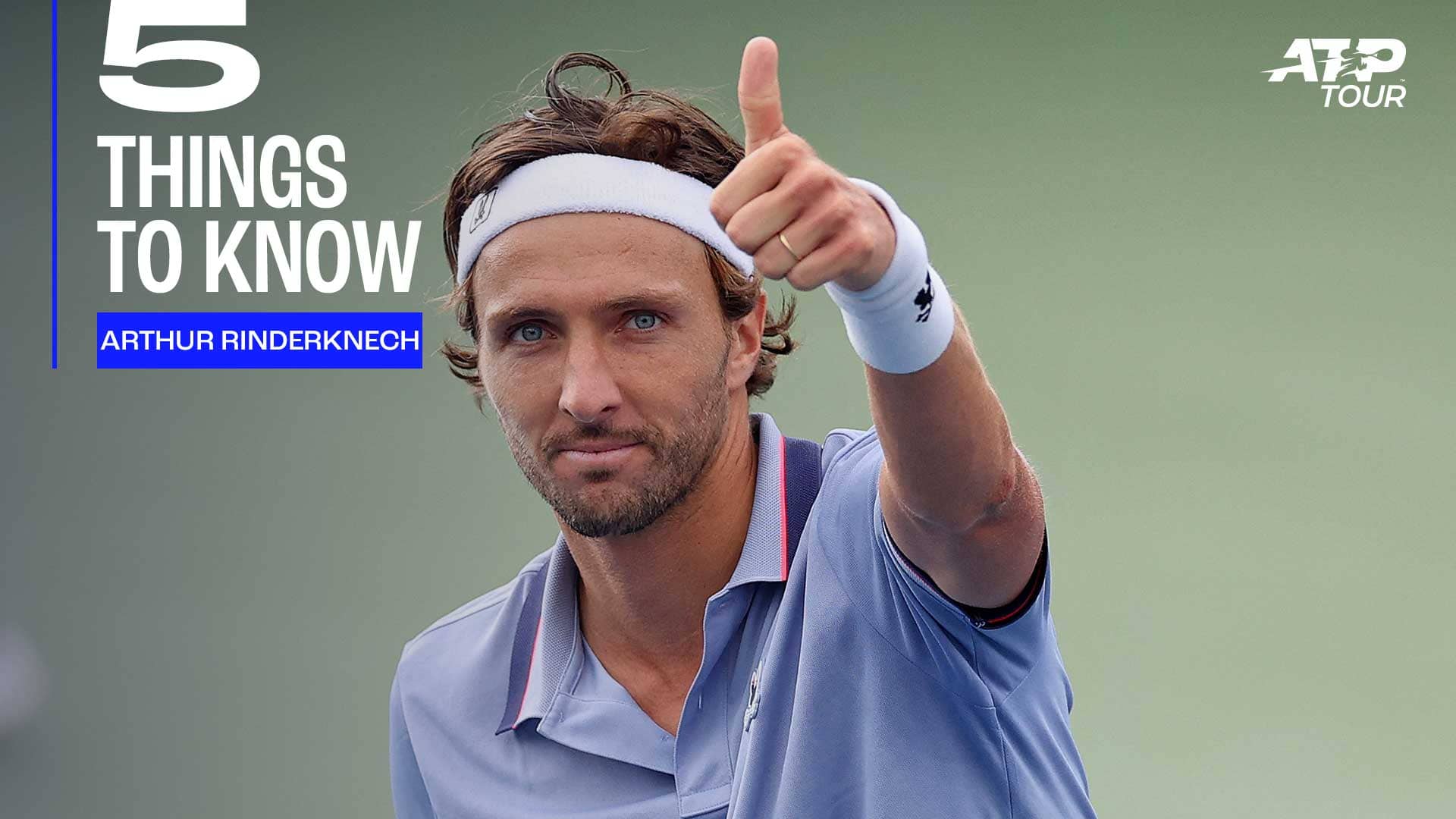
The Giant Killer’s Serve: Weapon of Mass Disruption
Rinderknech’s serve is the foundation of his upset potential:
- Has fired 42 aces through three matches
- Won 92% of service games at this US Open
- Regularly hits 140+ mph first serves

1. The Serve-and-Volley Wildcard
In an era dominated by baseline rallies, Rinderknech’s old-school approach could prove disruptive:
| Net Approach Stats | Rinderknech | ATP Tour Avg. |
|---|---|---|
| Net Points Won | 73% | 67% |
| Approach Frequency | 35% | 22% |
2. Pressure Dynamics Favor the Underdog
The psychological landscape reveals intriguing advantages:
- Alcaraz carries pressure of being defending champion
- Rinderknech playing with “house money” after career-best run
- Night session debut may heighten nerves
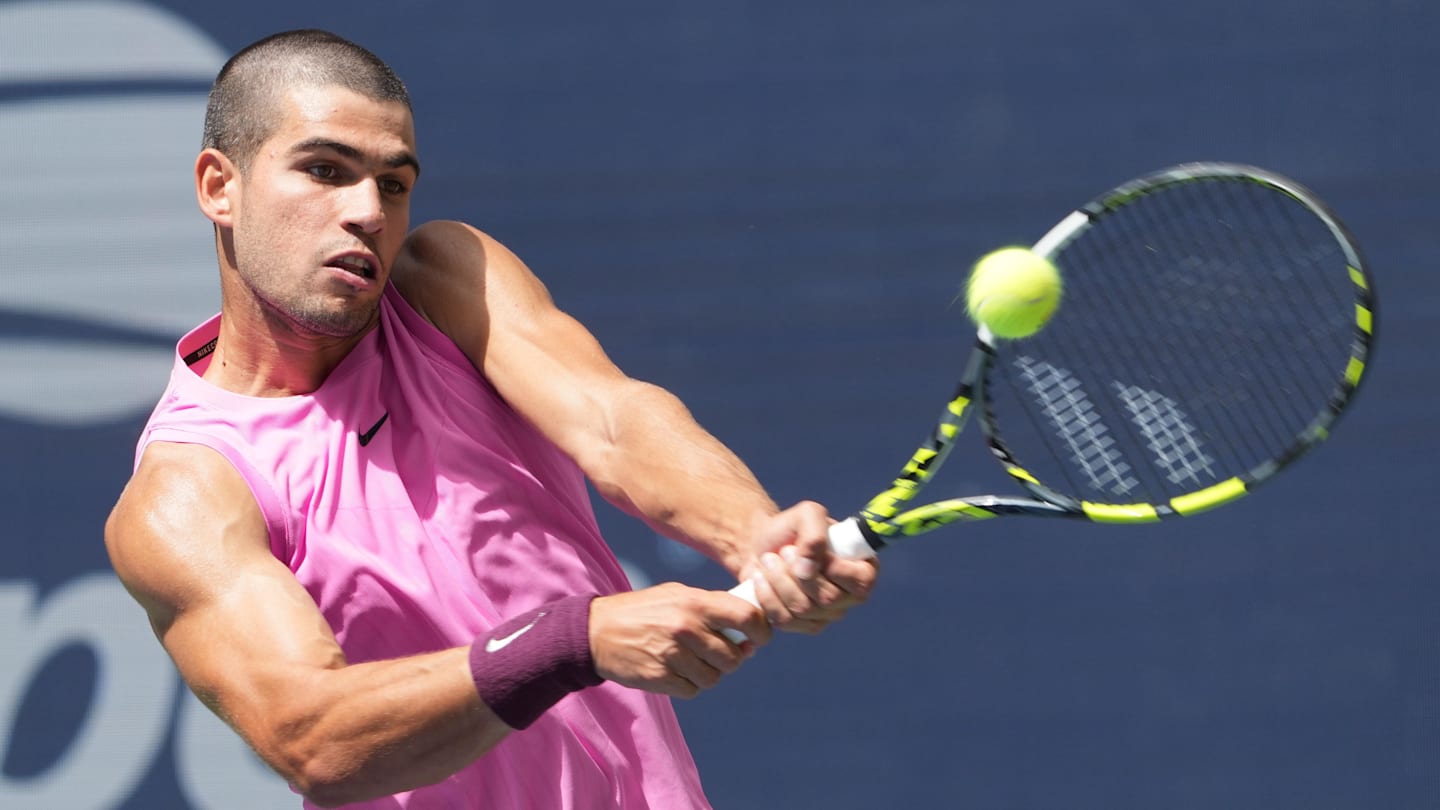
3. Surface-Specific Advantages
US Open’s DecoTurf plays differently than their previous meeting surfaces:
- Faster bounce favors Rinderknech’s flat strikes
- Lower ball trajectory minimizes Alcaraz’s topspin advantage
- Night conditions make serves even more potent
Head-to-Head Surface Breakdown
| Surface | Result | Key Stat |
|---|---|---|
| Clay | Alcaraz 7-5, 6-4 | Rinderknech led 4-2 1st set |
| Grass | Alcaraz 7-6, 7-6 | 39 combined aces |
4. The College Tennis Edge
Rinderknech’s NCAA background at Texas A&M provides unique advantages:
- Thrives in pressure situations from team match experience
- Understands American crowds better than European counterparts
- Physical maturity from developing later than tour prodigies
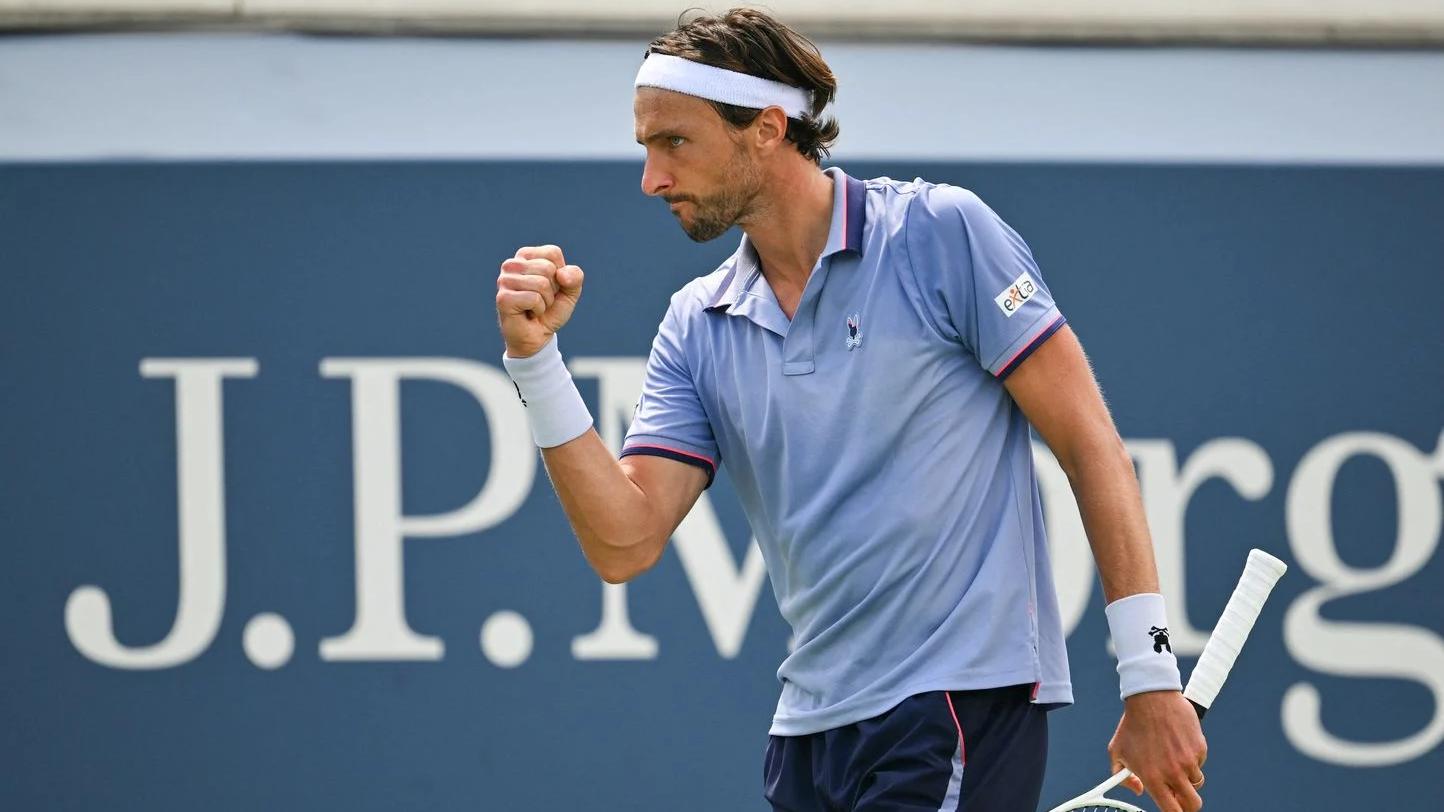
5. The Perfect Storm Scenario
Combining all factors creates a plausible upset pathway:
- Rinderknech serves 70%+ first serves
- Early break to plant doubt
- Crowd energizes underdog momentum
- Alcaraz has rare off-night returning
Historical Context of US Open Upsets
Past shocks suggest Rinderknech wouldn’t be unprecedented:
- 2001: Hewitt d. Sampras (4R)
- 2012: Rosol d. Nadal (2R)
- 2017: Tiafoe d. Zverev (2R)
While the odds heavily favor Alcaraz, Rinderknech possesses exactly the type of high-risk, high-reward game that can topple giants when conditions align. The question isn’t whether he can win—we’ve seen the blueprint in his previous close sets against the Spaniard—but whether he can sustain perfection for three full sets against one of tennis’s most complete players.

Comments