
At just 15 years old, Owen Cooper has become one of Hollywood’s most talked-about young talents following his Emmy-nominated performance in Netflix’s Adolescence. The Manchester-born actor, discovered with no prior experience, stunned critics with his raw portrayal of troubled teen Jamie Miller.
As Cooper navigates award season while balancing school exams, his journey challenges industry norms about age and opportunity. With upcoming projects alongside Margot Robbie and rumors of Marvel interest, this working-class teen’s meteoric rise shows no signs of slowing down.
- Owen Cooper, born in 2010, is 15 years old in 2025 and became an overnight sensation through his Emmy-nominated role in Netflix’s Adolescence, despite having no prior acting experience.
- He balances school and Hollywood fame, humorously admitting his academics are “going terribly,” while preparing for future projects like a Wuthering Heights adaptation and potentially Marvel’s Young Avengers.
- His breakout performance as Jamie Miller required intense preparation, including studying real teen crime cases, and was praised for its raw authenticity by co-stars like Stephen Graham.
- Unlike many child stars, Cooper maintains a low profile with no public social media and a disciplined routine, including mandatory curfews during awards season.
Owen Cooper Age: The Young Emmy Nominee Breaking Hollywood Records
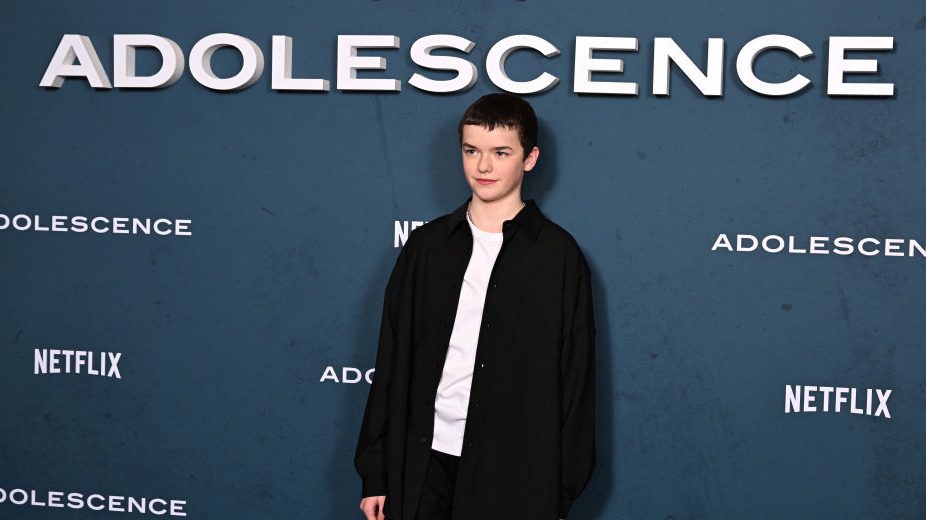
Born in 2010, Owen Cooper is currently 15 years old as of 2025, making him one of the youngest Emmy nominees in history. The Manchester-born actor skyrocketed to fame through his raw portrayal of Jamie Miller in Netflix’s Adolescence, despite having no formal acting training. What makes Cooper’s age particularly noteworthy is how he balances GCSE exams with red carpet appearances—a duality that fascinates both educators and Hollywood insiders.
Cooper’s working-class background defies typical child star narratives. His parents, initially hesitant about his career, became supportive after witnessing his professionalism on set. Unlike many teen actors, he attends a regular comprehensive school between filming schedules, though he jokes about his grades “going terribly” during award season.

The Legal Hurdles of Being a 15-Year-Old Nominee
Few realize that minor Emmy nominees require court-approved exceptions to attend ceremonies. Cooper’s team had to submit his school timetable as evidence that Emmy week wouldn’t disrupt his education—an absurd requirement adult actors never face. This bureaucratic obstacle course reveals Hollywood’s unpreparedness for genuinely young talent breaking through.
From School Plays to Emmy Glory: Owen Cooper’s Meteoric Rise
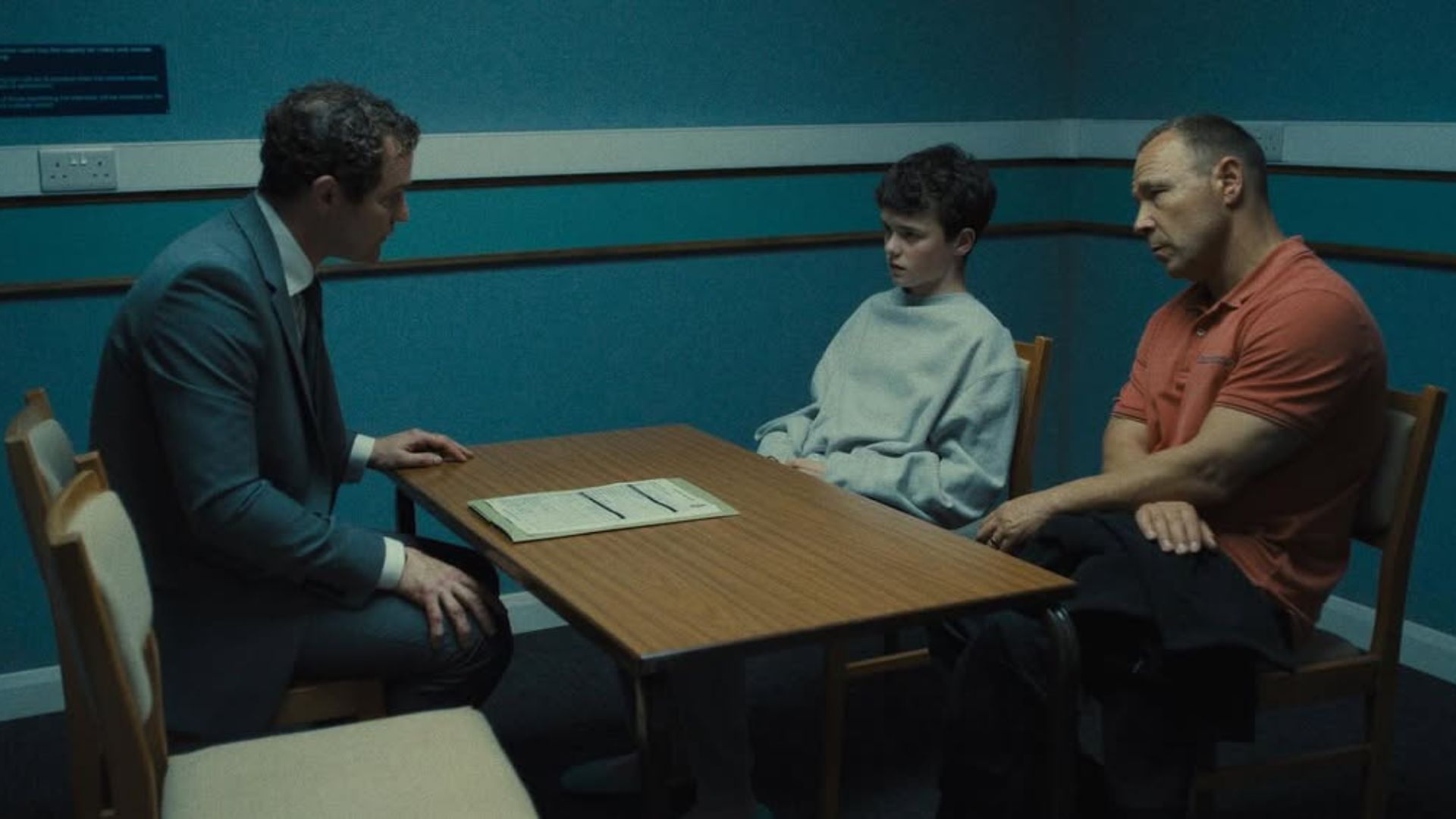
Cooper’s journey began when director Stephen Graham discovered him during open auditions for Adolescence, specifically seeking unknowns to maintain the show’s gritty authenticity. The then-14-year-old delivered a performance that blended vulnerability with menace, mastering complex emotional transitions that actors twice his age struggle with. His preparation included shadowing Manchester teens and studying real youth crime cases—an intensive process that production psychologists monitored closely.
The role demanded Cooper portray a bullying victim turned perpetrator, requiring him to access dark emotional territories. Co-stars established protective measures like mandatory Marvel movie marathons between takes to prevent psychological strain. This professional approach allowed Cooper to deliver harrowing scenes while maintaining his mental health—a rare success story in child acting.
How Adolescence Redefined Teen Acting
Cooper’s performance shattered stereotypes about young actors’ limitations. His ability to switch between fragile and frightening in single takes earned comparisons to Haley Joel Osment in The Sixth Sense. The series’ documentary-style cinematography magnified every microexpression, proving Cooper’s talent wasn’t just precocious—it was technically masterful.
Emmy 2025: Can a 15-Year-Old Actually Win Lead Actor?
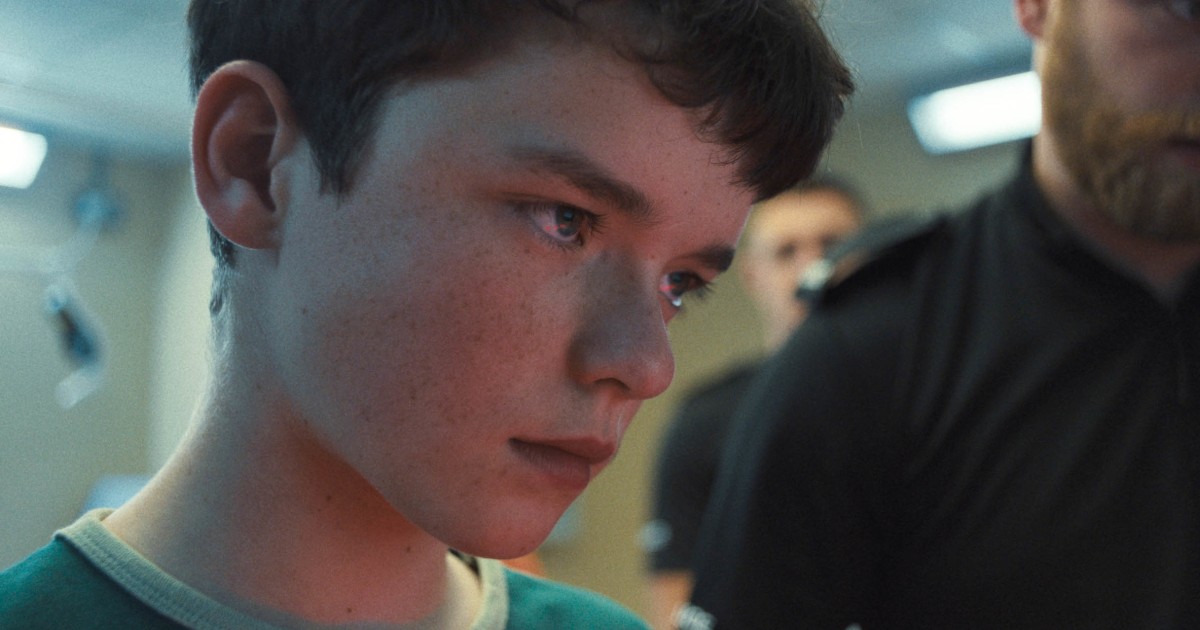
Cooper’s Emmy nomination makes him the third-youngest Lead Actor contender in history. While Adolescence‘s BAFTA sweep boosted his chances, Emmy voters traditionally favor established performers. The unexpected withdrawal of his main competitor has created a potential vote split that could work in Cooper’s favor—though history shows only eight actors under 18 have ever won Emmys across all categories since 1950.
Jake Gyllenhaal’s very public mentorship of Cooper—including gifting rare screenplays backstage—has fueled speculation about Hollywood grooming its newest wunderkind. Yet Cooper remains refreshingly unfazed, joking about returning to math class even if he wins. His nonchalance contrasts sharply with the industry’s breathless “youngest ever” narrative.
The Politics of Youth in Awards Season
Netflix’s aggressive “youngest nominee” campaign has drawn criticism for potentially exploiting Cooper’s age. However, the actor’s grounded responses in interviews—like discussing his struggles with algebra—have humanized the awards chatter. This authenticity makes him a fascinating case study in how Hollywood handles truly young talent versus twentysomethings playing teenagers.
Beyond Adolescence: Owen Cooper’s Strategic Career Moves
Cooper’s post-Adolescence choices reveal remarkable strategic thinking for a 15-year-old. He’s rejected typecasting by signing onto a Wuthering Heights adaptation opposite Margot Robbie while secretly testing for Marvel’s Young Avengers. His team prioritizes diverse roles—period dramas, indie comedies—that demonstrate range beyond “troubled teen.” This selectivity has A-list directors lining up to work with him, including Ang Lee, who reportedly wants Cooper to learn Mandarin for a potential project.
Off-screen, Cooper volunteers at Manchester United’s youth soccer program, quipping that “acting’s temporary but football is eternal.” This athletic outlet provides normalcy amidst Hollywood chaos. Perhaps most unusually, he maintains zero personal social media presence—all fan interactions happen through verified charity accounts.
The Genius of No Social Media
Cooper’s complete absence from Instagram and TikTok is a calculated protective measure praised by child psychologists. In an era where young actors are expected to be constantly accessible, his team’s insistence on boundaries through charity-only interactions sets a new standard for digital wellbeing in teen stardom.
A Day in the Life: Owen Cooper’s Bizarre Awards Season Routine
| Time | Activity | Adult Equivalent |
|---|---|---|
| 5:30 AM | Maths tutoring | Morning espresso |
| 1:30 PM | Leave school for fittings | Power lunch |
| 4:00 PM | Mandarin lessons | Martini meeting |
| 7:00 PM | Red carpet with parents | Champagne toast |
| 10:00 PM | Curfew | Afterparty |
Cooper’s Emmy week schedule reads like surrealist fiction: algebra before sunrise, costume fittings instead of afternoon classes, language lessons for future roles, then home by curfew. This disciplined routine—enforced by his parents—explains how he avoids the burnout plaguing most child stars. His teachers email assignments to hotel rooms, creating a hybrid education model that may inspire future teen performers.
The Education vs. Stardom Tightrope
Cooper’s school has adapted remarkably, allowing flexible attendance during filming. However, his joking admission that academics are “going terribly” reveals the very real strain of balancing education with a meteoric career. The UK’s Education Act wasn’t written for students attending the Emmys—a systemic gap that needs addressing as more teens achieve professional success.
What Owen Cooper’s Age Means for Hollywood’s Future
Cooper’s success at 15 challenges industry assumptions about young actors’ capabilities. His Adolescence performance proved teens can handle complex material when given proper support. The entertainment industry must now reconsider:
- Labor laws for minor actors during awards season
- Education accommodations for working students
- Mental health protections for young performers
- Typecasting assumptions about teen actors’ range
As Cooper prepares for his Wuthering Heights role while studying for mock exams, he represents a new generation of actors who refuse to choose between education and artistry. His ability to treat Hollywood success as an extraordinary extracurricular—not an all-consuming identity—may redefine child stardom for the better.
Comments