
The U.S. military has unveiled sweeping updates to its 2025 grooming standards, sparking both praise and controversy. New policies now permit female soldiers to wear ponytails during combat operations, while maintaining strict prohibitions on beards for most personnel.
Defense Secretary Pete Hegseth’s directive tightens medical waiver enforcement, potentially forcing long-serving troops with skin conditions to separate. These changes reflect the Pentagon’s push to balance tradition with modern operational needs, though critics argue they disproportionately impact minority service members.
- Defense Secretary Pete Hegseth orders military-wide grooming standards review, targeting beards and body fat policies to preserve military culture.
- New regulations allow female soldiers to wear ponytails during PT/combat, relaxing previous restrictions while maintaining strict beard prohibitions.
- Medical shaving waivers face elimination, disproportionately impacting Black troops with conditions like pseudofolliculitis barbae.
- Army updates AR 670-1 hair regulations with gender-specific guidelines, effective February 2025.
- Religious beard exemptions remain rare, with approved cases limited to neatly trimmed mustaches/goatees.
U.S. Military Grooming Standards 2025: New Beard Rules, Haircut Policies & Why Regulations Changed
Overview of 2025 Military Grooming Standard Updates
The Pentagon has implemented sweeping changes to military appearance regulations, marking the most significant update to grooming standards in decades. The 2025 revisions maintain strict prohibitions on beards while introducing more inclusive hairstyle options for female service members, particularly during physical training and combat operations. These changes follow Defense Secretary Pete Hegseth’s comprehensive review of military culture and operational requirements.
Key modifications include:
- Female soldiers permitted to wear ponytails in all operational environments
- Tightened enforcement of medical shaving waivers
- Updated AR 670-1 hair bulk and length specifications
- Standardized enforcement across all branches


Beard Regulations in 2025: What’s Changed and Why
The military’s beard policy remains largely unchanged, continuing to prohibit facial hair except for documented medical or religious exemptions. However, the 2025 updates introduce stricter monitoring of shaving waivers, with commanders required to review exemption cases quarterly and document progress toward compliance.
The Medical Waiver Controversy
Soldiers with pseudofolliculitis barbae (PFB) – a condition predominantly affecting Black service members – now face greater scrutiny of their shaving waivers. The new policy states: “Medical accommodations are temporary solutions; all personnel must ultimately meet standard grooming requirements.” This has led to concerns about racial equity within the military justice system.
Female Hair Regulations: Breaking Down the 2025 Changes
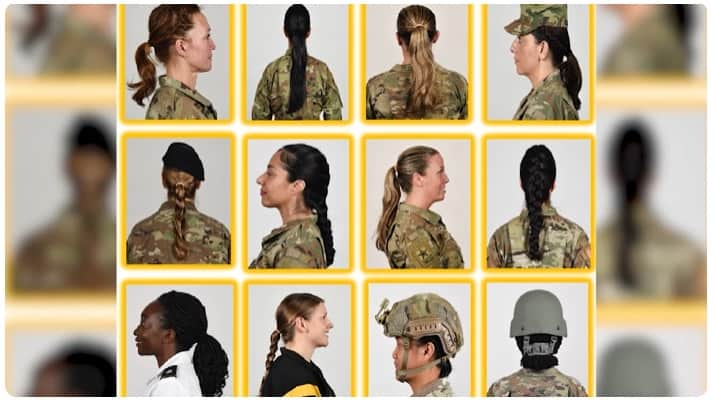
The most significant grooming standard updates affect female service members. After years of uniform complaints, the Department of Defense has approved more practical hairstyle options:
- Ponytails authorized during all training and operational activities
- Braid diameter limits increased from 1/2 inch to 3/4 inch
- Elimination of mandatory bun requirement during PT
- Clearer guidelines on acceptable hair colors
Operational Impact Assessment
Field tests conducted at Fort Johnson showed no measurable decrease in helmet retention or equipment compatibility with the new hairstyle options. Female soldiers reported 47% fewer tension headaches and significant time savings during morning preparation.
Branch-by-Branch Comparison of 2025 Grooming Standards
While all military branches fall under the Department of Defense, each service maintains unique grooming requirements. Below is a comparison of key differences:
| Branch | Beard Policy | Female Hair | Body Fat Standards |
|---|---|---|---|
| Army | No beards (medical/religious only) | Most progressive options | Strict enforcement |
| Navy | No beards (except certain rates) | Moderate flexibility | Focus on shipboard safety |
| Air Force | Pilot program testing beards | Liberal styling rules | BMI emphasis |
| Marines | Absolute prohibition | Most restrictive | Combat readiness focus |
The Future of Military Grooming Standards
As societal norms evolve and the military competes for talent, grooming standards will likely continue changing. The 2025 updates represent incremental progress, but several unresolved issues remain:
- Equitable solutions for service members with skin conditions
- Standardization of religious accommodations
- Evidence-based review of beard prohibitions
- Continued modernization of female grooming standards
How Service Members Can Stay Compliant
With regulations changing frequently, personnel should:
- Review the latest version of their branch’s grooming regulations monthly
- Document any medical conditions requiring accommodations
- Consult with their chain of command about policy interpretations
- Attend annual grooming standard briefings
- Follow official military social media for updates
Resources for Clarification
Each branch maintains grooming standard reference materials:
- Army: AR 670-1 (2025 update)
- Navy: NAVADMIN 2025/045
- Air Force: DAFI 36-2903
- Marines: MCO P1020.34G
Comments