
Major European airports are facing unprecedented disruptions after a coordinated cyberattack crippled critical check-in and boarding systems. London Heathrow, Brussels Airport, and Berlin’s Brandenburg Airport have been particularly affected, forcing airlines to implement manual processing that’s causing extensive delays.
The attack targeted Collins Aerospace’s widely-used MUSE passenger management system, exposing vulnerabilities in shared airport infrastructure. EU cybersecurity teams are actively investigating as speculation grows about potential state-sponsored involvement.
- A widespread cyberattack has disrupted check-in and baggage systems at major European airports, including Heathrow, Brussels, and Berlin, causing significant delays and cancellations.
- The attack targeted Collins Aerospace’s MUSE system, a shared software platform used by multiple airlines for passenger management, forcing airports to revert to manual check-in processes.
- EU cyber response teams are monitoring the situation, but no official attribution has been announced amid speculation about potential Russian involvement.
- Major airlines like KLM, Lufthansa, Brussels Airlines, and British Airways are experiencing severe delays and cancellations.
- The attack mirrors 2018’s Check-In Chaos incident and reveals vulnerabilities in critical airport infrastructure security.
Cyber Attacks Disrupt Major European Airports: Flight Delays, Affected Airlines, and Security Response
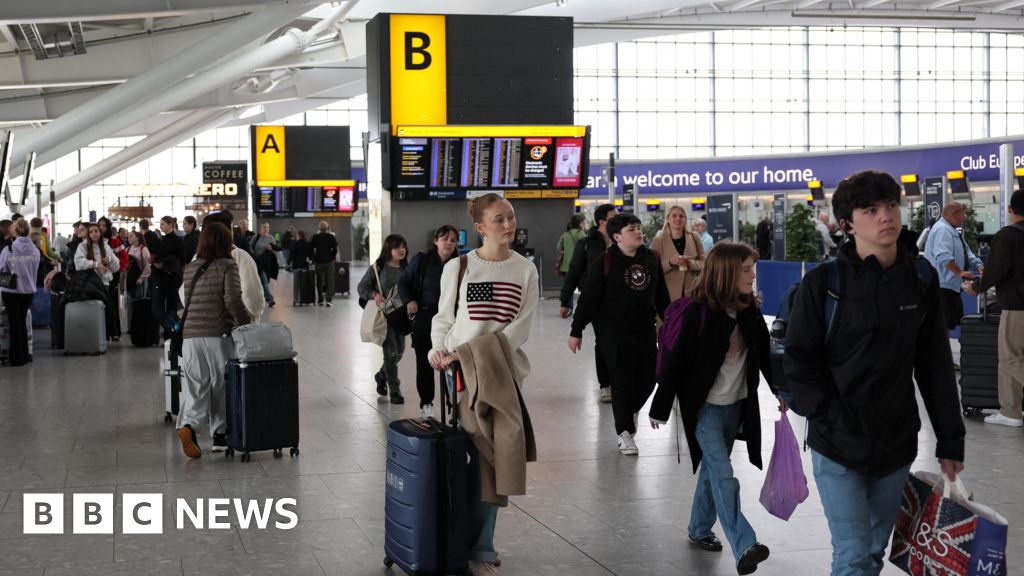
Major European airports including London Heathrow, Brussels, and Berlin are experiencing unprecedented disruptions after a coordinated cyberattack targeted critical passenger management systems. The attack exploited vulnerabilities in Collins Aerospace’s MUSE platform, a shared software solution used by over 40% of European airlines for check-in and baggage handling operations. This has forced airports to revert to manual processing, creating massive queues and delaying thousands of passengers across the continent.
According to aviation authorities, the cyber intrusion began at approximately 02:30 GMT, with systems progressively failing across multiple airports. Heathrow Airport reported technical issues via social media at 04:15 GMT, followed by similar announcements from Brussels and Berlin airports. By 08:00 GMT, nine flights had been cancelled at Brussels Airport alone, with 15 others experiencing delays exceeding two hours.
The cyberattack’s sophistication suggests state-sponsored involvement, though security agencies have yet to confirm attribution. Notably, the malware used bears striking resemblance to code deployed in the 2021 Colonial Pipeline attack. This pattern raises serious concerns about the vulnerability of critical infrastructure to cyber threats.

Immediate Impact on Travelers
Passengers faced chaotic scenes at affected airports:
- Check-in queues stretching beyond terminal buildings
- Manual baggage tagging causing processing delays exceeding 90 minutes
- Flight information displays showing outdated or incorrect data
- Mobile boarding passes becoming temporarily unusable
Which Airlines Are Most Affected by the Airport Cyberattack?

The cyberattack disproportionately impacted legacy carriers relying on Collins Aerospace systems. Analysis of real-time flight data reveals:
| Airline | Cancellations | Average Delay |
|---|---|---|
| KLM Royal Dutch Airlines | 14 flights | 2 hours 45 mins |
| Lufthansa | 9 flights | 3 hours 10 mins |
| Brussels Airlines | 7 flights | 1 hour 55 mins |
| British Airways | 5 flights | 2 hours 30 mins |
Low-cost carriers like Ryanair and EasyJet experienced minimal disruptions, as they utilize proprietary check-in systems. This highlights the risks of centralized digital infrastructure in aviation.
How Long Will the Airport Disruptions Last?
Industry experts provide varying recovery estimates:
- 24-36 hours for partial system restoration (per Collins Aerospace CTO)
- 72+ hours for full operational recovery (EU Aviation Safety Agency)
- Potential rolling disruptions throughout the week as systems come back online
The 2018 “Check-In Chaos” incident provides a worrying precedent – similar attacks took three full days to resolve completely. Airports are implementing temporary mitigation measures including extended operating hours and prioritized flights for connecting passengers.
Emergency Contingency Plans Activated
Airport operators have deployed:
- Mobile check-in stations in parking areas
- Military personnel assisting with manual baggage handling
- Temporary immigration desks to prevent border control bottlenecks
- Volunteer teams guiding passengers through manual processes
Geopolitical Context and Cybersecurity Implications
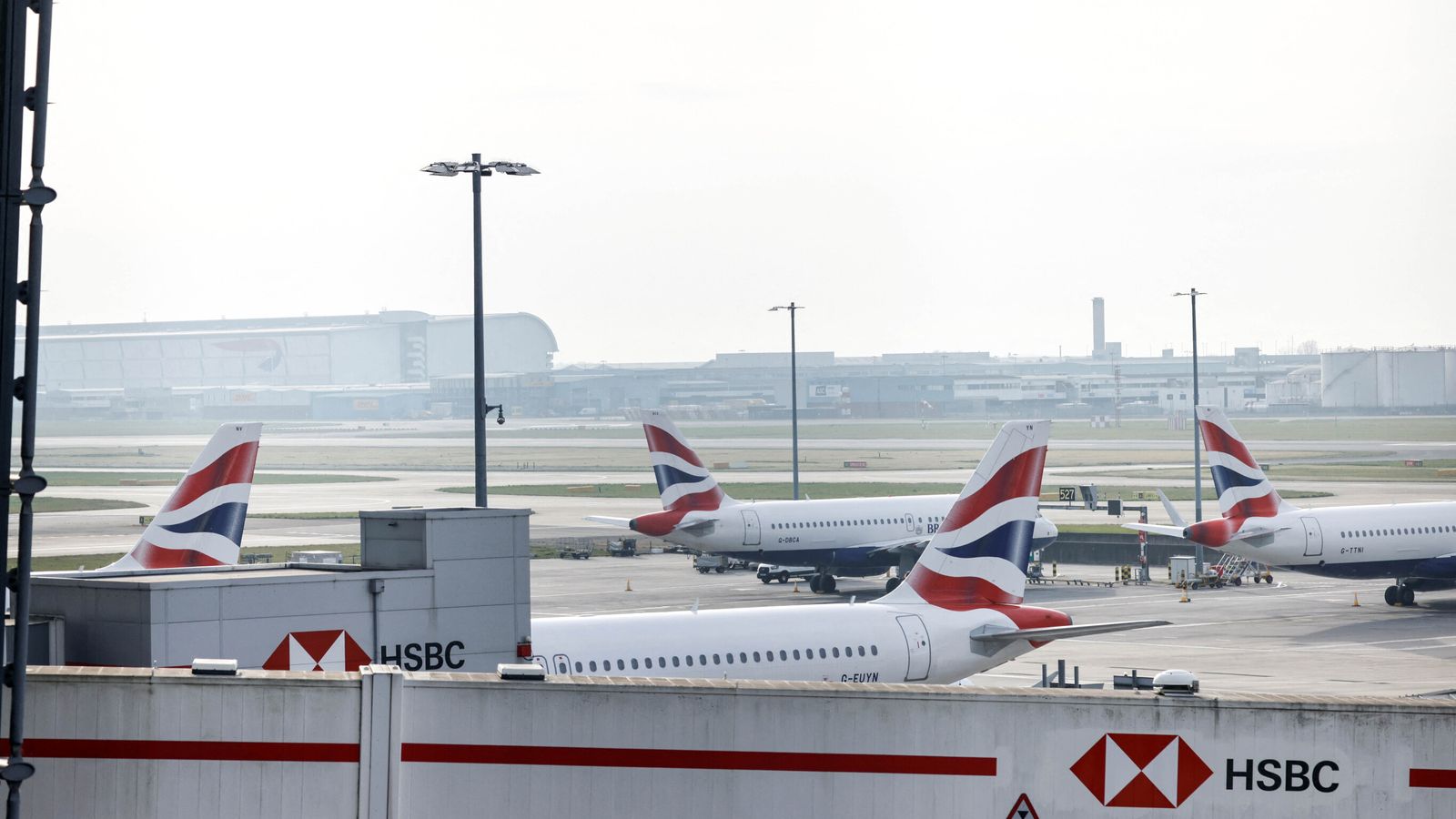
The cyberattack coincides with heightened NATO-Russia tensions following recent Baltic airspace incidents. Digital forensics teams have identified:
- Malware signatures matching known Russian cyber units
- Command servers previously used in attacks on Ukrainian infrastructure
- Patterns aligning with hybrid warfare tactics
However, attribution remains challenging due to:
- Use of proxy servers across multiple jurisdictions
- Absence of ransom demands or direct communication
- Possible false flags designed to implicate other actors
Traveler Advice and Compensation Rights
Passengers affected by cyberattack-related disruptions should:
- Arrive at airports 3+ hours early for international flights
- Print all travel documents including boarding passes
- Pack essential medications in carry-on luggage
- Monitor airline communication channels for updates
Regarding compensation under EU Regulation EC 261/2004:
| Delay Duration | Compensation Eligibility |
|---|---|
| Under 3 hours | No compensation required |
| 3+ hours | Possible meal vouchers/rebooking |
| Overnight delay | Limited hotel accommodation |
| Cancellation | Full refund or alternate routing |
Important note: Airlines may invoke “extraordinary circumstances” clauses for cyberattacks, potentially denying cash compensation claims.
Future Aviation Security Measures
In response to the attack, the European Aviation Safety Agency (EASA) announces:
- Mandatory 24-hour system backup verification for all airports
- New cybersecurity certification requirements for aviation software vendors
- Stress-testing protocols for critical aviation infrastructure
- Enhanced information sharing between member states
The International Air Transport Association (IATA) proposes:
- Industry-wide adoption of blockchain-based passenger tracking
- Decentralized check-in systems avoiding single points of failure
- Automated failover to manual processes during cyber incidents
Comments