
Adelita Grijalva’s decisive victory in Arizona’s special election has delivered the crucial 218th vote needed to force a House floor vote on releasing Jeffrey Epstein’s sealed files. Her win corners Republican leadership, including Speaker Mike Johnson, who now faces unprecedented pressure to disclose long-hidden documents.
The newly elected Congresswoman, succeeding her late father Rep. Raúl Grijalva, immediately pledged to sign the discharge petition that had been stalled at 217 signatures. Trump allies are expected to mount fierce resistance, setting the stage for a historic transparency battle that could expose elite connections across party lines.
- Adelita Grijalva wins Arizona’s special election, securing the critical 218th vote needed to force a House vote on releasing Jeffrey Epstein’s sealed files.
- Her victory pressures GOP leaders, including Speaker Mike Johnson, as Democrats and bipartisan supporters demand transparency regarding Epstein’s network.
- Trump allies may attempt to obstruct the release, but the discharge petition’s success makes outright blocking unlikely without political backlash.
- Potential revelations include flight logs, undisclosed associates, and institutional failures that enabled Epstein’s operations.
Adelita Grijalva’s Arizona Victory Secures Crucial Epstein Files Vote: Will Trump Allies Obstruct the Release?

Who Is Adelita Grijalva and Why Does Her Election Matter?
Adelita Grijalva, daughter of the late Congressman Raúl Grijalva, has made history by winning Arizona’s 7th Congressional District special election. Her victory carries national significance as it provides the crucial 218th vote needed to force a House floor vote on releasing the Jeffrey Epstein files through a discharge petition. The Democratic stronghold district, where President Trump lost by 22 points in 2024, was expected to remain blue, but Grijalva’s win transforms what was symbolic into concrete political leverage.
The newly elected Congresswoman has pledged to sign the discharge petition that currently has 217 signatures, including four Republicans. While her election doesn’t alter the House’s partisan balance, it achieves something far more consequential – the ability to bypass Speaker Mike Johnson’s control over whether the Epstein files vote reaches the floor. This represents a watershed moment in the years-long battle for transparency regarding Epstein’s network of powerful associates.
Key facts about Adelita Grijalva:
- Former school board member and education advocate
- Continues her father’s progressive legacy in Arizona politics
- Ran on platform of government transparency and accountability
- First elected official to explicitly tie Epstein files release to her campaign

What Exactly Would the Epstein Files Reveal?
The documents in question represent the most comprehensive collection of evidence about Jeffrey Epstein’s criminal network ever assembled. These records go far beyond the already infamous “little black book” and include:
- Complete flight manifests for Epstein’s private jets (including the “Lolita Express”)
- Visitor logs for Epstein’s properties in New York, Florida, and the U.S. Virgin Islands
- Unredacted FBI interview transcripts with victims and associates
- Sealed grand jury testimony from multiple jurisdictions
- Financial records tracing funding sources for Epstein’s operations
The potential revelations extend beyond merely naming additional associates. A detailed breakdown shows:
| Document Category | Potential Revelations |
|---|---|
| Flight Logs | Could confirm/contradict claims about who visited Epstein’s island |
| Financial Records | Might expose how Epstein funded his operations and who enabled him |
| Visitor Logs | Would document meetings at Epstein’s homes that participants may have denied |
| Grand Jury Testimony | Contains previously sealed witness accounts under oath |
The Political Battle Ahead: Can Trump Allies Block the Release?
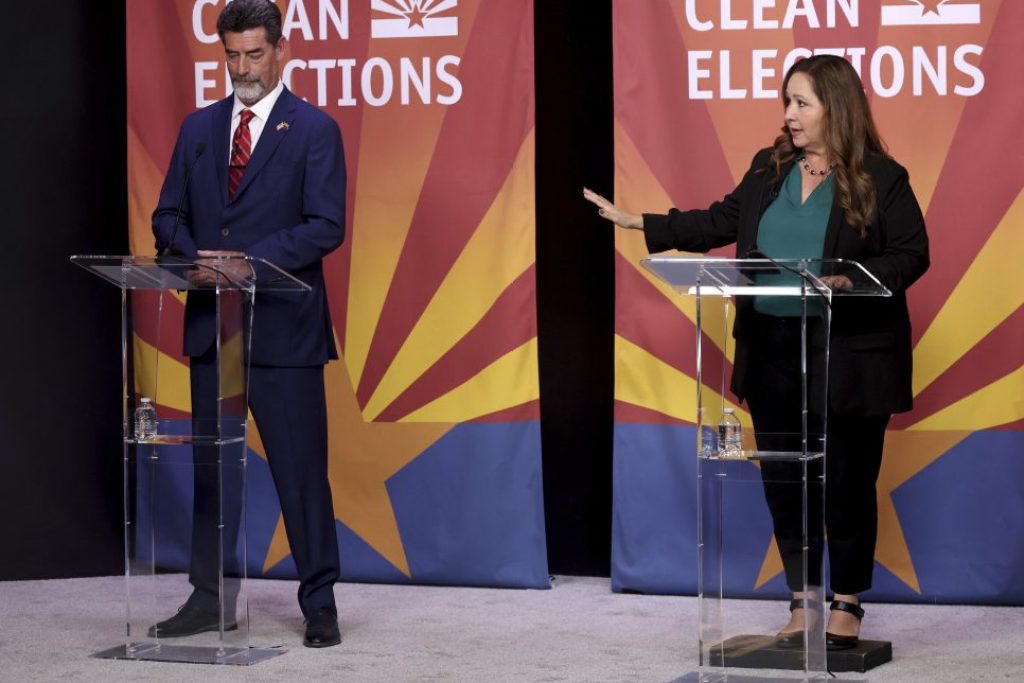
With the discharge petition now guaranteed to reach 218 signatures, attention turns to how Republican leadership and Trump allies might attempt to obstruct the process. Speaker Mike Johnson faces a no-win scenario:
- Allow the vote and risk embarrassing revelations about GOP figures
- Block the vote and face accusations of covering up for predators
- Attempt procedural delays that could backfire politically
The four Republican representatives who’ve already signed the petition indicate there’s genuine bipartisan interest in transparency, making complete obstruction unlikely. However, Trump’s legal team may pursue alternative avenues to block or limit the release, including:
- Filing lawsuits claiming privacy violations
- Asserting national security concerns over certain documents
- Lobbying for extensive redactions of sensitive material
Historical Precedents: How Similar Document Releases Unfolded
The closest parallel to the Epstein files release is the JFK assassination records disclosure. That decades-long process offers important lessons:
- 1992 JFK Records Act: Created after years of pressure, similar to current Epstein petition
- Phased Release: Documents came out gradually rather than all at once
- Ongoing Controversy: Even after release, debates continued about withheld materials
Key differences that may affect the Epstein case:
| Factor | JFK Case | Epstein Case |
|---|---|---|
| Time Elapsed | 29 years until initial release | 5 years since Epstein’s death |
| Living Participants | Most principals deceased | Many alleged participants still alive |
| Digital Evidence | Primarily paper documents | Includes digital communications |
What the JFK Release Teaches Us
The JFK documents revealed:
- Previously unknown CIA operations
- FBI surveillance of Oswald before the assassination
- Inconsistencies in official investigations
Potential Fallout: How the Release Could Reshape Politics
The Epstein files release carries implications far beyond any single political figure. The documents could:
- Damage institutions that failed to properly investigate Epstein
- Reveal bipartisan connections to his network
- Spark renewed scrutiny of plea deals that protected associates
- Force media organizations to revisit their coverage of Epstein
The most significant impact may be on public trust, particularly if documents show:
- Law enforcement knew more than they acted upon
- Prosecutors declined to pursue powerful figures
- Systems routinely favored the wealthy and connected

Timeline: When Can We Expect the Documents?
If the House votes to release the files, the process will likely follow this sequence:
| Stage | Estimated Timeframe | Potential Delays |
|---|---|---|
| House Vote | 2-4 weeks after petition completion | Procedural challenges |
| Agency Compliance | 60-90 days after vote | Redaction disputes |
| Initial Release | 3-6 months | Legal challenges |
| Full Disclosure | Up to 1 year | National security reviews |
Factors that could accelerate or delay the process:
- Media Pressure: Sustained public attention may force faster release
- Court Challenges: Lawsuits could significantly delay certain documents
- Political Will: Leadership changes could affect prioritization
Conclusion: A Turning Point for Accountability
Adelita Grijalva’s election has unexpectedly become the catalyst for what may be one of the most significant document releases in recent political history. While the Epstein files have been discussed for years, the discharge petition reaching 218 signatures creates an irreversible momentum toward transparency.
The coming months will test:
- Whether political institutions can withstand scrutiny of their failures
- How media handles uncomfortable truths about powerful figures
- The public’s capacity to process systemic corruption revelations

Comments