
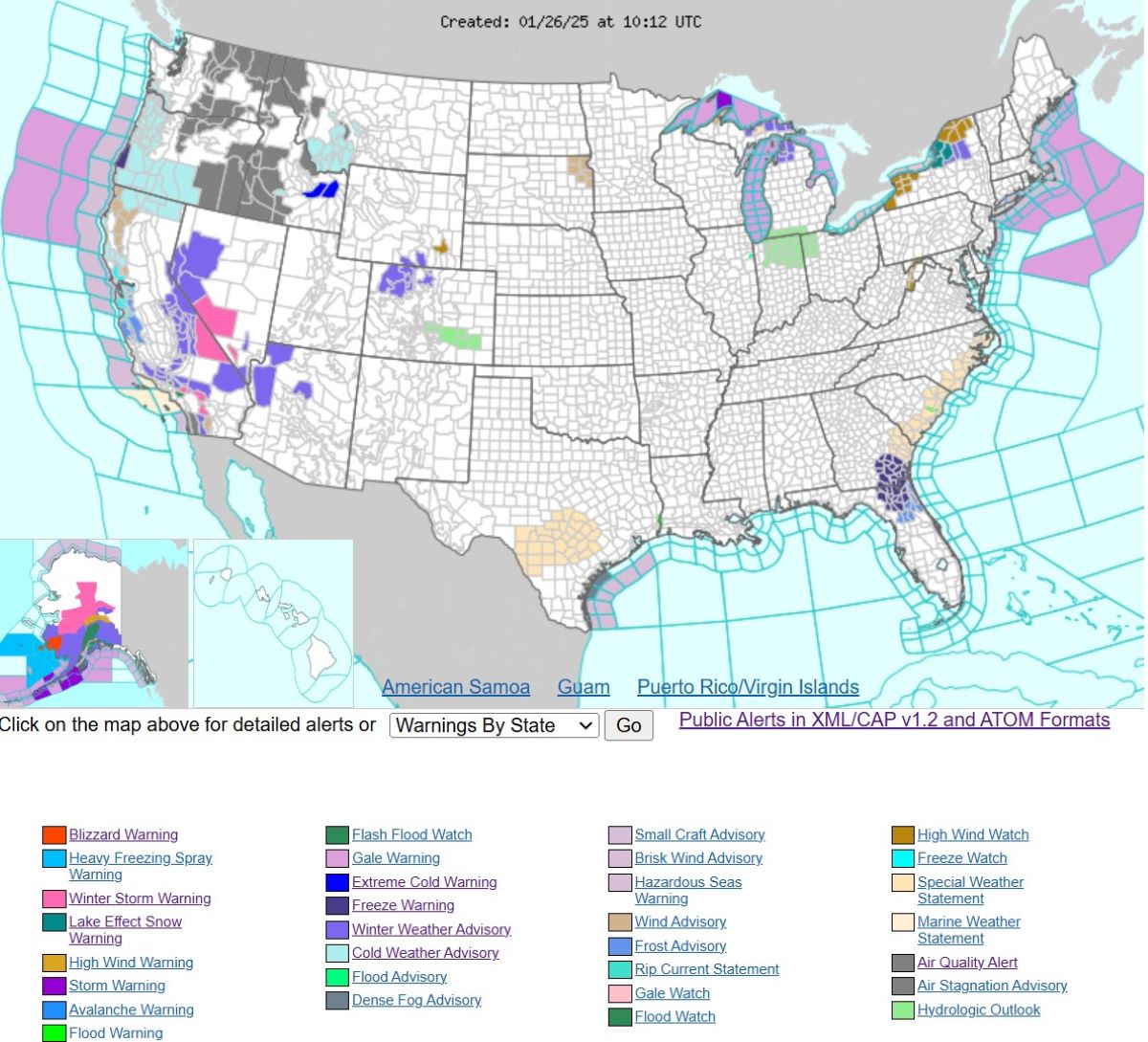
A winter weather advisory has been issued for Fairbanks and surrounding areas as heavy snowfall disrupts travel across Interior Alaska.
Accumulations of up to 8 inches have already been reported, with another 4-6 inches expected through Thursday. The Richardson Highway and Steese Highway are particularly hazardous, prompting warnings for drivers to use winter tires or chains.
Temperatures are expected to plummet to near-freezing levels, raising concerns for crops and unprotected plumbing. This early-season snowstorm could become one of Fairbanks’ most significant October snowfall events in decades.
- A winter weather advisory is active in Fairbanks, Alaska, with 8+ inches of snow already accumulated and up to 12 inches expected in higher elevations.
- Hazardous driving conditions persist on major routes like Richardson Highway, with authorities urging winter tires and extreme caution.
- Temperatures near freezing (30-35°F) threaten crops and plumbing, prompting warnings to protect vegetation and prepare for extended snowfall through Friday.
Winter Weather Advisory in Alaska: Driving Safety in Fairbanks and Snowfall Forecast This Week
Winter Weather Advisory Issued for Fairbanks and Surrounding Areas
A winter weather advisory has been issued for Fairbanks and surrounding areas as heavy snowfall blankets the region, creating hazardous driving conditions. The National Weather Service reports that up to 8 inches of snow has already accumulated in some regions, with forecasts predicting continued snowfall throughout the week. Travelers are urged to exercise caution, particularly on major routes like the Richardson Highway, where icy and snow-packed roads are causing delays.
While lower elevations in Fairbanks remain mostly clear, the advisory warns of potential disruptions as snow levels drop to 1,200 feet. Residents are advised to prepare for freezing temperatures, which could damage unprotected vegetation and plumbing systems. Emergency kits and winter tires are highly recommended to navigate the challenging conditions.

Driving Conditions on Richardson Highway and Other Routes
The Richardson Highway, a critical route for commuters and freight, is currently experiencing dangerous winter conditions. The Alaska Department of Transportation (DOT) has reported multiple spin-outs and accidents due to icy patches and blowing snow. Authorities are advising drivers to allow extra travel time and to use studded tires or chains for added safety.
Other major roads, such as the Parks Highway and Steese Highway, are also snow-packed and icy. The DOT’s emergency vehicle tracker shows that maintenance crews are working around the clock to clear the roads, but the continuous snowfall is making it a challenging task. Drivers are urged to stay updated on road conditions through the DOT’s website and to avoid unnecessary travel.

Snowfall Forecast: When Will the Snow Stop?
Projections for the Fairbanks Area
Meteorologists predict that the heaviest snowfall will continue through Wednesday night, with the storm tapering to flurries by Friday morning. The University of Alaska Fairbanks weather station reports that this could be the largest October snow event since 1992, when 18 inches of snow fell over three days.
Residents should prepare for additional accumulations of up to 12 inches in higher elevations. The National Weather Service has highlighted the Steese Highway and Chena Hot Springs Road as areas of particular concern, where strong wind gusts could reduce visibility and create blizzard-like conditions.

Impact on Grocery Stores and Supplies
Local grocery stores in Fairbanks have reported a surge in demand for emergency supplies, including generators, propane tanks, and canned goods. Some stores are already running low on these items, prompting concerns about potential shortages if the storm continues as predicted.
Residents are encouraged to check their emergency kits and ensure they have enough food, water, and fuel to last through the storm. The Fairbanks community has a strong tradition of helping neighbors in need, and many are stepping up to assist those who may be unprepared.

How This Snowfall Compares to Anchorage and Other Regions
Fairbanks vs. Anchorage
While Fairbanks is dealing with an early winter storm, Anchorage has just recorded its first measurable snowfall of the season, with 3.2 inches reported. Anchorage typically receives 60% less snow in October compared to Interior Alaska, making this week’s weather particularly notable for Fairbanks residents.
This snowfall also has implications for next year’s wildfire season. A strong snowpack now can help recharge soil moisture levels, reducing the risk of devastating wildfires during the summer months.

Tips for Staying Safe During the Winter Advisory
To stay safe during the winter weather advisory, residents are advised to follow these tips:
- Ensure your vehicle is equipped with winter tires or chains.
- Keep an emergency kit in your car, including blankets, food, and water.
- Avoid unnecessary travel, especially during peak snowfall hours.
- Check on neighbors, particularly the elderly or those with limited mobility.
- Monitor weather updates and road conditions regularly.
Comments