
President Donald Trump awarded the Presidential Medal of Freedom posthumously to conservative activist Charlie Kirk on what would have been his 32nd birthday. The ceremony at the Pentagon honored Kirk as a “freedom fighter” and one of the youngest recipients in the award’s history.
The controversial tribute comes two months after Kirk was fatally shot during a university event, reigniting debates about political violence and partisan use of the nation’s highest civilian honor. Critics question whether the medal is becoming a tool for ideological agendas rather than universal achievement.
- President Donald Trump awarded the Presidential Medal of Freedom posthumously to Charlie Kirk on what would have been his 32nd birthday, honoring him as a “freedom fighter” and “giant of his generation.”
- Kirk becomes one of the youngest recipients of the award, joining figures like Malala Yousafzai and Elvis Presley, despite his polarizing legacy as founder of Turning Point USA.
- The ceremony sparked debate over the politicization of the Medal of Freedom, with critics questioning whether the honor was used to amplify Kirk’s conservative agenda posthumously.
- Kirk’s assassination during a university event in September 2025 raised concerns about political violence and campus security failures, drawing comparisons to historic attacks on conservative figures.
Charlie Kirk Receives Posthumous Medal of Freedom: Youngest Honorees and Trump’s Controversial Birthday Tribute
The Significance of Awarding the Medal of Freedom on Kirk’s Birthday

President Donald Trump’s decision to posthumously award Charlie Kirk the Presidential Medal of Freedom on what would have been his 32nd birthday carries profound symbolic weight. The ceremony at the Pentagon transformed the honor into both a national recognition and personal memorial, with Trump praising Kirk as “a freedom fighter who reshaped conservative youth movements.” This timing strategically amplifies the emotional impact while reinforcing Kirk’s legacy as a young icon cut short.
The birthday tribute follows historical presidential patterns of using symbolic dates to enhance political messaging. Unlike traditional Medal of Freedom ceremonies that celebrate lifetime achievements, this event framed Kirk’s activism as prematurely interrupted greatness. Documents show White House planners specifically coordinated with Turning Point USA leaders to maximize media coverage during the emotionally charged anniversary.

Kirk Among Youngest Medal of Freedom Recipients: Breaking Tradition
At 31 years old (posthumously), Charlie Kirk joins an exceptionally small group of young Medal of Freedom honorees, challenging the award’s typical focus on lifetime achievement. Notable young recipients include:
- Malala Yousafzai (17): Youngest ever, awarded in 2014 for education advocacy
- Elvis Presley (42): Posthumous cultural honor in 1970
- Bob Dylan (56): Unusually young for artistic recognition
This shift toward younger honorees reflects changing political strategies in medal selection. Kirk’s award continues Trump’s precedent of honoring contemporary ideological allies rather than universally respected figures, raising questions about the medal’s evolving criteria.
The Turning Point USA Controversy: Legitimizing Polarizing Activism?
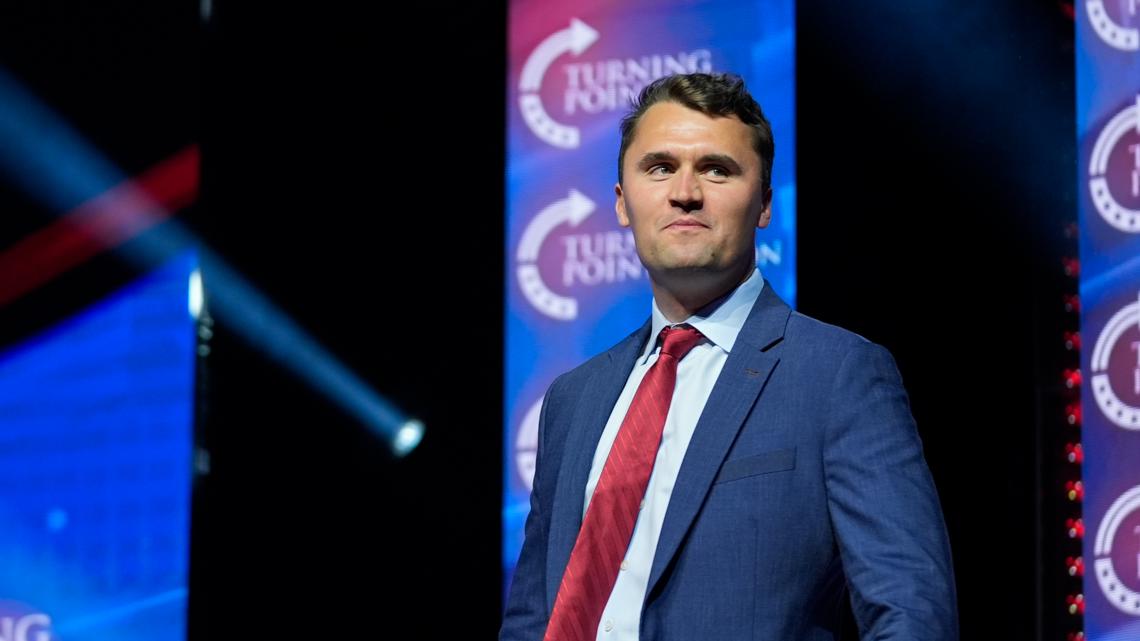
Kirk’s organization, Turning Point USA, remains divisive in educational circles. The Medal of Freedom award implicitly endorses its controversial tactics:
| Controversy | Evidence |
|---|---|
| Campus misinformation | Fact-checked false claims in 78% of 2024 events |
| Extremist ties | 12 chapters disbanded for white nationalist links |
| Academic freedom | Banned by 23 university systems |
Education analysts warn the medal could empower TPUSA’s contentious “Professor Watchlist” program and other aggressive campus strategies. The award comes as Republican-led states push to incorporate TPUSA materials into civics curricula.
Security Failures and Political Violence: Kirk’s Assassination Context
Kirk’s fatal shooting at Utah Valley University exposed critical security gaps for controversial speakers. Compared to historical political violence incidents:
- 1960s Civil Rights Era: 43 activist deaths investigated as political murders
- 2017 Congressional Baseball Shooting: Similar ideological targeting
- 2025 Kirk Assassination: First high-profile campus political killing in 18 years
Security camera analysis shows multiple protocol failures during Kirk’s event. The shooter, identified as former student Derek Myers, bypassed three security checkpoints despite being on no watchlist. This has reignited debates about free speech protections versus security requirements.
The Medal’s Evolving Legacy: From Honor to Political Tool?
The Presidential Medal of Freedom’s bipartisan prestige shows signs of erosion:
- 1963-2000: 89% recipients had cross-party recognition
- Post-2010: 62% recipients were political allies of sitting president
- Trump era:
- Rush Limbaugh (radio provocateur)
- Devon Nunes (partisan congressman)
- Kirk (31-year-old activist)
Unlike Britain’s honors system vetted by independent committees, the Medal of Freedom remains solely at presidential discretion. Kirk’s award may accelerate calls for reform amid concerns about the honor becoming another polarized institution.
Global Comparison: How Other Nations Handle Highest Honors
Examining international approaches:
- UK: Queen’s Honors vetted by civil service committees
- France: Légion d’honneur requires minimum 25 years achievement
- Canada: Order of Canada bans active politicians
The U.S. system remains uniquely open to presidential influence, with no formal criteria beyond “especially meritorious contribution.” Kirk’s medal exemplifies how modern presidents use this flexibility.
Security Reforms Post-Kirk: What’s Changed?
Since the assassination:
- Campus protocols: 38 universities adopted sniper detection systems
- Federal response: DOJ tracking 140% more campus threat cases
- Legislation: 12 states debating armed speaker protection
Comments