
San Francisco Mayor Daniel Lurie has responded to President Trump’s unexpected reversal on National Guard deployment amid escalating protests, following private negotiations with tech giants Jensen Huang and Marc Benioff. The sudden policy shift highlights the growing influence of Silicon Valley in federal decisions, raising constitutional concerns about private sector overreach.
As tensions between local authorities and the Trump administration reach a boiling point, Lurie faces mounting pressure to protect civil liberties while maintaining public safety. With federal agents already operating in the Bay Area and protest organizers adapting Portland-style tactics, the crisis tests Lurie’s leadership amid San Francisco’s most severe political standoff in decades.
- San Francisco Mayor Daniel Lurie responded to Trump’s halted National Guard deployment, emphasizing collaboration with federal agencies like FBI and DEA instead.
- Tech leaders Jensen Huang and Marc Benioff intervened, leveraging campaign finance and workforce mobilization to pressure Trump, raising concerns about private sector influence in public policy.
- Protest organizers adopted Portland-style tactics, including decentralized groups and encrypted networks, while unconfirmed reports suggest CBP agents remain active in SF.
- Economic fallout begins as Salesforce cancels Dreamforce and commercial lease cancellations spike by 42%, signaling potential long-term instability.
Daniel Lurie’s Stand Against Trump’s National Guard Reversal: A Critical Turning Point for San Francisco
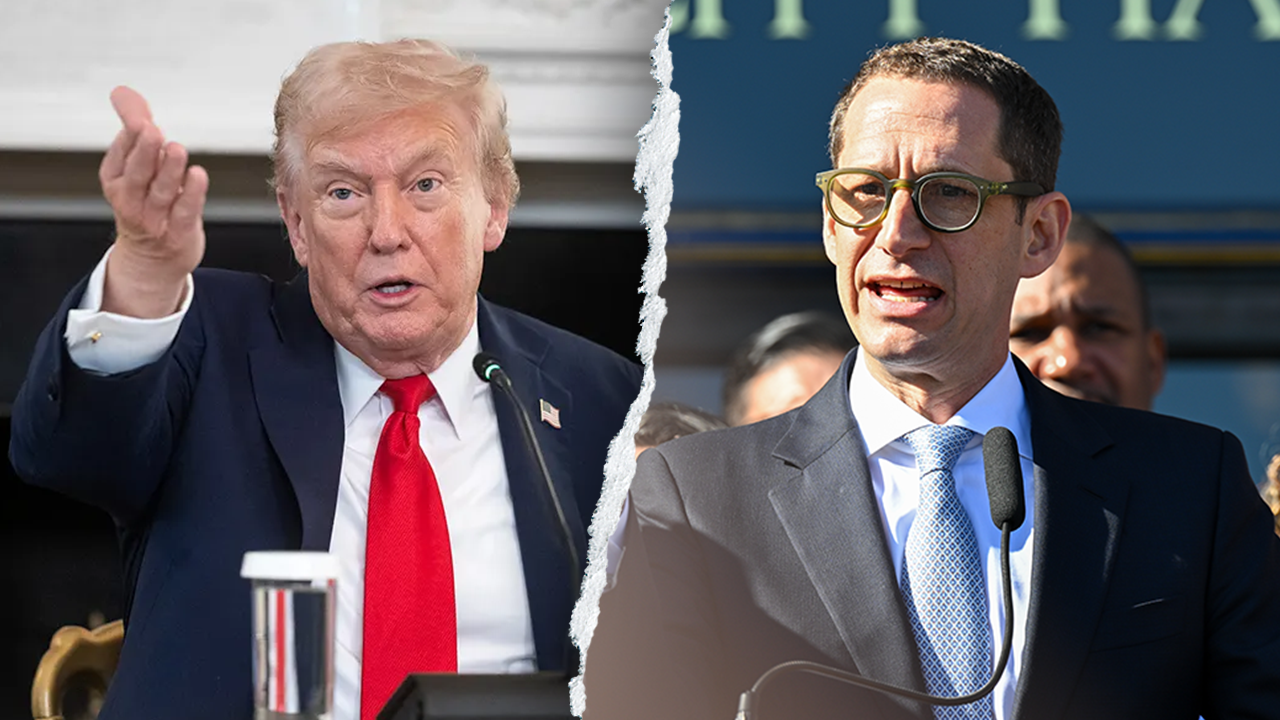
San Francisco Mayor Daniel Lurie emerged as the central figure in a constitutional showdown after President Trump abruptly reversed course on deploying National Guard troops to the city. The decision came following backchannel negotiations with Silicon Valley power players Jensen Huang (NVIDIA) and Marc Benioff (Salesforce), revealing an extraordinary shift in crisis management dynamics. This marks Lurie’s first major test of leadership since taking office, forcing him to navigate between progressive principles and immediate security concerns.
Critical developments in the 48-hour confrontation included:
- Lurie’s initial characterization of the deployment as “unprecedented federal overreach”
- Behind-the-scenes intervention from tech executives leveraging economic influence
- Mobilization of civilian defense networks across Bay Area neighborhoods
The mayor adopted a three-pronged contingency strategy:
- Legal challenges through City Attorney David Chiu’s office
- Activation of community monitoring systems
- Backchannel coordination with California National Guard leadership

The Silicon Valley Power Play: How Tech Titans Became Political Kingmakers
The crisis revealed the staggering influence tech leaders now wield in governmental affairs. Huang and Benioff’s intervention through a high-stakes conference call demonstrated corporate America’s new role as unofficial power brokers during constitutional crises. Their leverage came from three decisive pressure points:
| Pressure Mechanism | Immediate Impact |
|---|---|
| Campaign finance networks | $27M in suspended GOP donations |
| Defense supply chain | Contract suspension warnings issued |
| Workforce mobilization | 20,000 pledged tech worker walkouts |
This disturbing precedent establishes that billionaire interventions can supersede democratic processes during national security emergencies. Meanwhile, reports suggest 80 CBP agents remain covertly stationed at Alameda Coast Guard Base, conducting:
- Surveillance operations in immigrant communities
- Collaboration with select law enforcement elements
- Preparation of rapid deportation transport systems
Protest Tactics Evolution: Portland’s Playbook Comes to San Francisco
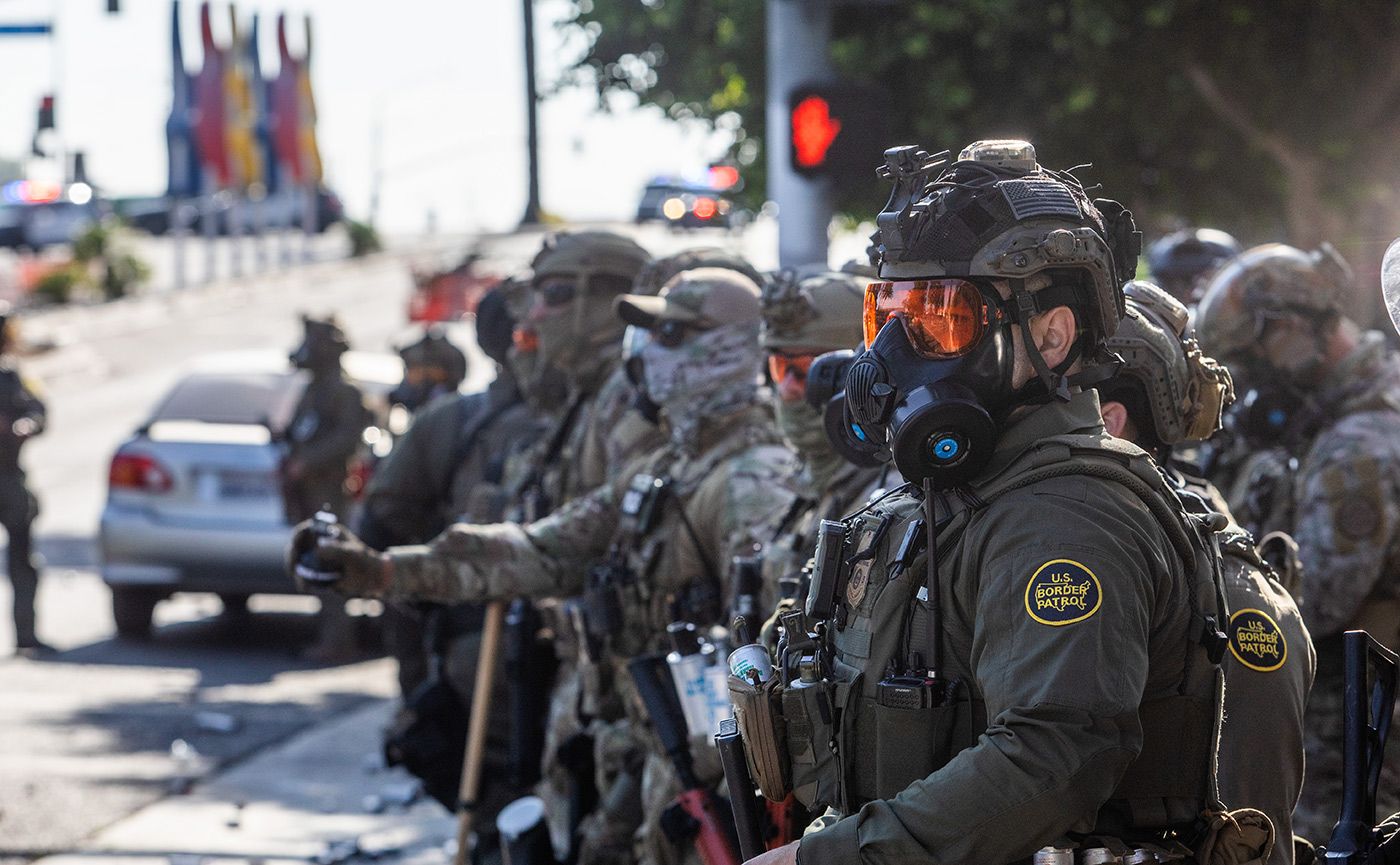
Organizers from Portland’s 2020 protests have been training Bay Area activists in advanced crowd resistance strategies. The hybrid approach combines lessons from previous federal confrontations with innovative tech adaptations:
- Decentralized affinity groups operating through encrypted channels
- Modified augmented reality platforms for coordination
- Medical triage units disguised as food trucks
- The “Umbrella Protocol” using identical objects to thwart surveillance
Police scanners have detected trial runs of these tactics, particularly the adaptation of Pokémon GO architecture for rally point coordination. This technological sophistication presents new challenges for law enforcement accustomed to traditional protest patterns.
Legal Precipice: Pelosi’s Warning and the Coming Constitutional Clash
Former Speaker Nancy Pelosi escalated tensions by suggesting California law enforcement could arrest federal agents violating state law. This explosive statement highlights four potential legal fault lines:
- Chain of command conflicts during joint operations
- Dueling interpretations of immigration enforcement authority
- Weaponization of California’s privacy laws against federal surveillance
- Sovereign immunity challenges playing out in courts
Maritime observers have noted suspicious activity near Alameda’s former Naval Air Station, where Military Sealift Command vessels capable of housing detention facilities have been maneuvering. These developments suggest federal contingency planning continues despite the National Guard reversal.
Economic Fallout: Salesforce Cancels Dreamforce as Security Costs Spiral
The political instability has begun translating into concrete economic consequences for San Francisco:
- Salesforce cancelling its flagship Dreamforce conference
- 42% increase in commercial lease cancellations downtown
- $19 million in lost convention revenue
- Tripled security budgets for retail chains
The coming days will prove crucial as federal employees receive paychecks and test the city’s hospitality sector stability. Restaurant owners report unprecedented cancellations of large group reservations, while hotel occupancy rates have plummeted to recession-era levels.
Comments