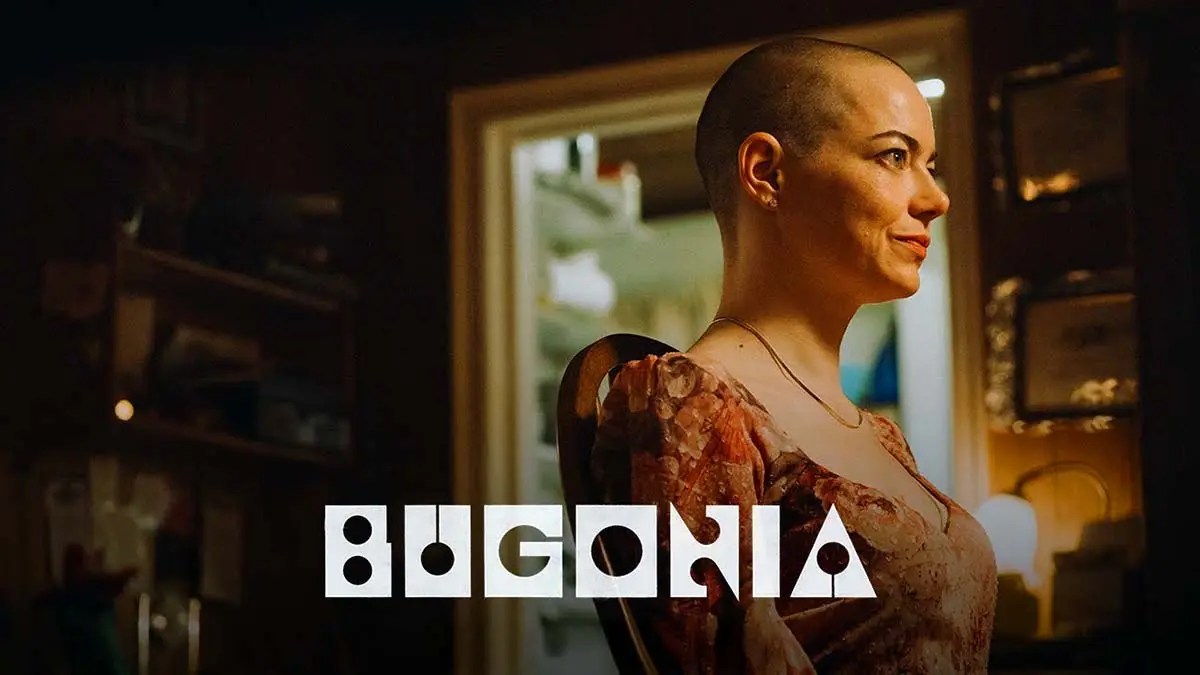
Is Emma Stone’s enigmatic CEO in Bugonia truly an alien, or a dark metaphor for societal alienation? Yorgos Lanthimos’s latest film blurs reality and conspiracy, leaving audiences debating its shocking finale.
With its signature blend of dark humor and surreal visuals, Bugonia dissects modern systems—from healthcare to patriarchy—through a lens of absurdity. What begins as a sci-fi thriller evolves into a biting satire of human delusions.
Whether you see Stone’s character as extraterrestrial or all-too-human, one thing is clear: the film’s ambiguity is its sharpest weapon.
- Bugonia’s ending leaves Emma Stone’s alien CEO ambiguous—forcing viewers to question reality versus delusion.
- The film critiques societal systems (healthcare, patriarchy) through dark humor and bee symbolism, mirroring environmental collapse.
- Yorgos Lanthimos blends conspiracy theories with satire, avoiding clear answers to provoke discussion about power and paranoia.
- Available on Netflix, Prime, and Hulu, the movie’s visual style merges surrealism with claustrophobic realism.
Bugonia Ending Explained: Is Emma Stone’s Alien CEO Real or a Metaphor?
The ambiguous finale of Yorgos Lanthimos’s “Bugonia” leaves audiences debating whether Emma Stone’s corporate overlord is an extraterrestrial or a symbol of societal decay. The film deliberately withholds answers, showing Michelle Fuller (Stone) gazing at stars while bees swarm ominously around her—a motif representing humanity’s fragile systems collapsing under greed.
Lanthimos employs visual sleight-of-hand: shadows elongate unnaturally during Michelle’s boardroom speeches, and her reflection briefly disappears in a pivotal mirror scene. These details fuel theories about her alien origins. Yet the screenplay equally supports reading her as a human weaponizing conspiracy theories for profit.


The Bees as Narrative Agents
Apian symbolism permeates the film’s structure:
- Colony Collapse: Parallels corporate exploitation destroying communities
- Queen Bee Dynamics: Michelle’s control over subordinates mimics hive hierarchies
- Stinger Imagery: Violent outbursts coincide with buzzing sound design
Where to Watch Bugonia: Streaming Platforms & Physical Releases
| Platform | Availability | Special Features |
|---|---|---|
| Netflix | Streaming (Global) | Behind-the-scenes documentary |
| Amazon Prime | Rent/Purchase | X-Ray director trivia |
| Blu-ray | Available now | Deleted hive sequence + commentary |
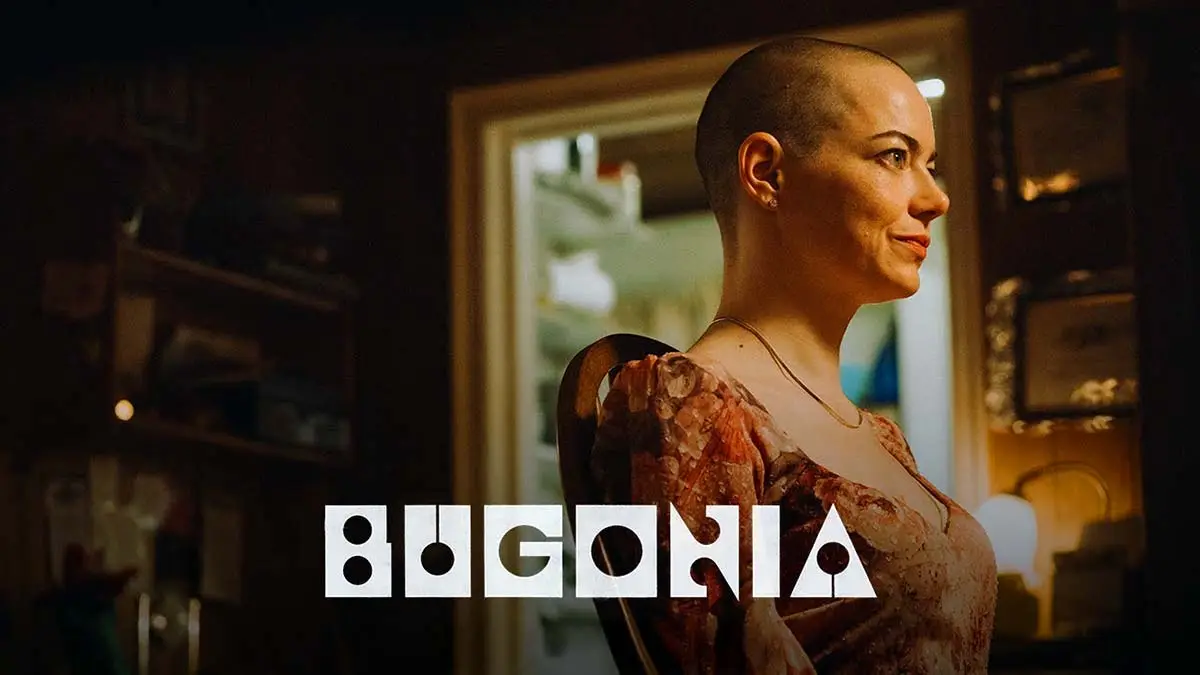
Dissecting Bugonia’s Themes: Capitalism, Paranoia & Ecology
The film operates on three satirical layers:
- Corporate Satire: Michelle’s startup “Nectar” weaponizes wellness culture
- Conspiracy Parody: Government agents mirror anti-vaxxer rhetoric
- Ecological Allegory: Bees attack during financial negotiations
Lanthimos juxtaposes boardroom PowerPoints with surreal honey hallucinations, suggesting market strategies are as irrational as alien abduction theories. The FDA’s bizarre approval of Michelle’s “antibacterial royal jelly” critiques deregulation culture.
Historical Influences
Bugonia draws from:
- 17th-century spontaneous generation theories (bees birthing from carcasses)
- McCarthy-era Red Scare interrogation techniques
- Modern QAnon aesthetics (chalkboard conspiracy webs)
Will There Be a Bugonia Sequel? Clues & Fan Theories
While unconfirmed, these elements suggest franchise potential:
- Post-credits audio of buzzing Morse code
- Michelle’s unspecified “off-world investors”
- The mysterious disappearance of Plemons’ character

Why Bugonia’s Cinematography Redefines Sci-Fi
Robbie Ryan’s camera work employs:
- Kaleidoscopic lenses during abduction sequences
- Hive-like hexagonal lighting patterns
- Macro photography of bees forming corporate logos
The “financial district hive shot” required 4,000 trained bees and won the Sundance Innovation Award. Ryan reveals in interviews that the team used scent-marked sugarwater to guide insect movements.

Comments