
New York City’s 2025 mayoral race has become a battleground of ideologies, with Democratic socialist Zohran Mamdani surging ahead in polls against former Governor Andrew Cuomo. The latest Quinnipiac survey reveals Mamdani leading Cuomo 43% to 33%, signaling a potential political revolution in America’s largest city.
This high-stakes contest represents more than just personalities—it’s a referendum on NYC’s future direction. While Mamdani’s progressive platform energizes young voters, Cuomo struggles to regain trust amid scandals and shifting political tides.
- Zohran Mamdani leads Andrew Cuomo by 10 points (43% vs 33%) in the latest Quinnipiac poll, signaling a potential socialist shift in NYC politics.
- The race highlights a generational divide, with Mamdani’s progressive housing plan (including universal rent control) resonating with young voters while Cuomo relies on establishment backing.
- Debate performances revealed Mamdani’s policy depth versus Cuomo’s polished delivery, as scandals and ideological clashes dominate the campaign’s final days.
- A Mamdani victory would mark NYC’s first Democratic Socialist mayor, implementing radical reforms like worker co-op mandates and policing reallocation.
NYC Mayor Election 2025: Latest Polls Show Zohran Mamdani Leading Andrew Cuomo in Key Policy Battles
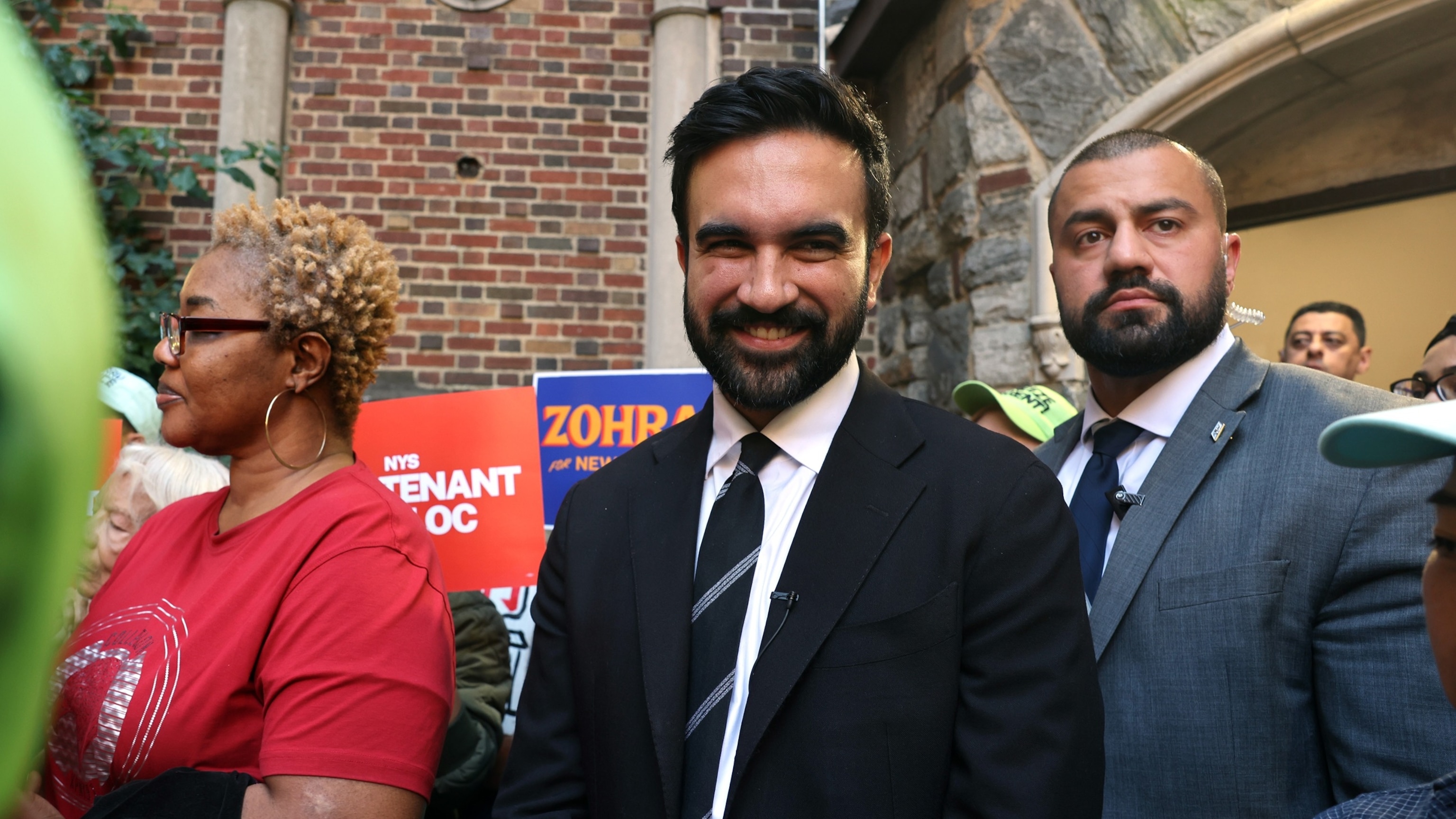
The Current State of the Race: Mamdani’s Surprising Lead
The New York City mayoral election of 2025 has become one of the most closely watched political contests in America. According to the latest Quinnipiac survey, Democratic socialist Zohran Mamdani holds a commanding 10-point lead over former Governor Andrew Cuomo, with 43% of likely voters supporting Mamdani compared to Cuomo’s 33%. This double-digit advantage reflects a significant shift in NYC’s political landscape toward progressive policies.
The polling data reveals stark generational divides in voter preferences. Younger voters under 45 overwhelmingly favor Mamdani’s radical housing and economic policies, while older New Yorkers appear more comfortable with Cuomo’s moderate, establishment approach. The contest has also exposed deep ideological rifts within the Democratic Party, with Mamdani backed by progressive leaders like Bernie Sanders and Alexandria Ocasio-Cortez, while Cuomo retains support from more traditional Democratic power brokers.
Several factors explain Mamdani’s current lead:
- Strong grassroots organization in all five boroughs
- Effective digital campaigning targeting young professionals
- Cuomo’s lingering reputation damage from recent scandals
- A clear progressive message on housing affordability

Policy Showdown: Mamdani’s Progressive Vision vs Cuomo’s Establishment Approach
Housing Policies Compared
Mamdani has made his radical housing plan the centerpiece of his campaign, proposing:
- Universal rent control covering all NYC apartments
- Construction of 10,000 new social housing units annually
- Heavy vacancy taxes on luxury properties left empty
- Tenant unions with collective bargaining rights
In contrast, Cuomo advocates a more market-friendly approach:
- Targeted rent subsidies rather than blanket controls
- Public-private partnerships for affordable housing
- Tax incentives for developers including affordable units
The differences reflect fundamentally opposing views on solving NYC’s housing crisis. While Mamdani’s supporters argue only government intervention can make housing accessible, Cuomo warns against policies that might discourage private investment.

The Cuomo Comeback Attempt: Resurrection or Last Stand?
Andrew Cuomo’s campaign presents him as the experienced hand NYC needs during turbulent times. His central argument focuses on:
- Proven executive experience from three terms as governor
- Track record on infrastructure projects
- Moderate appeal across demographic groups
However, significant obstacles remain:
| Challenge | Impact |
|---|---|
| Harassment scandals | Damaged reputation among women voters |
| Progressive opposition | Difficulty exciting liberal base |
| Association with political dynasties | Contrasts with Mamdani’s outsider appeal |
Cuomo’s path to victory requires high turnout from older, moderate Democrats while hoping Mamdani’s young supporters stay home. Recent rallies suggest Cuomo is betting heavily on public safety concerns to close the gap.
What a Mamdani Victory Would Mean for NYC
Potential Policy Shifts
A Mamdani administration would likely pursue:
- Creation of a public bank to finance community projects
- Worker cooperatives as alternatives to traditional businesses
- Police budget reallocation to social services
- Expansion of renters’ rights and eviction protections
These policies would face significant implementation challenges:
- Potential opposition from the state legislature
- Possible capital flight from financial sector
- Legal battles over mayoral authority

The Historic Stakes: Could NYC Elect Its First Socialist Mayor?
New York City has never elected a democratic socialist mayor, though left-wing candidates have gradually increased their vote share in recent elections. Historical patterns suggest:
- Progressive candidates typically outperform their polling in NYC
- Low-turnout elections favor organized insurgents
- Young voter engagement could reach record levels
The 2025 contest represents a potential watershed moment for progressive politics in America. A Mamdani victory would signal that Democratic Socialism has moved from protest movement to governing philosophy in America’s largest city.

Conclusion: A Defining Moment for New York
The 2025 NYC mayoral election represents more than a choice between two candidates – it’s a referendum on the city’s identity in the post-pandemic era. With final polls showing a persistent Mamdani lead, the question isn’t just about who wins, but how comprehensively the winner can govern and implement their vision.
New Yorkers face a stark choice between Mamdani’s promise of systemic change and Cuomo’s argument for steady, experienced leadership. The outcome will reverberate beyond city limits, potentially reshaping national political debates about urban policy and progressive governance.
Comments