
“Saturday Night Live” delivered a politically charged season premiere tonight, with Miles Teller stealing the show as Donald Trump crashing a mock NYC mayoral debate. The cold open skewered current election drama with razor-sharp satire as Teller’s Trump hilariously disrupted fictional candidates.
The episode also sparked controversy with its exaggerated portrayal of progressive candidate Zohran Mamdani, while teasing Bad Bunny’s upcoming third hosting gig. SNL proves it remains unafraid to tackle hot-button issues, blending current events with its signature absurdist humor.
- Miles Teller steals the SNL cold open with a sharp Trump impression, crashing a mock NYC mayoral debate while roasting candidates with biting satire.
- Bad Bunny’s third hosting announcement sparks debate, with fans divided over NBC’s frequent reliance on the non-comedian star.
- The sketch draws controversy for its exaggerated portrayal of progressive candidate Zohran Mamdani, alongside meta-commentary on Trump’s FCC targeting late-night shows.
- Dana Carvey delivers a surprise cameo as Elon Musk, updating his iconic impression with chaotic new mannerisms.
Miles Teller’s Trump Steals the Show in SNL Tonight’s Cold Open Mocking NYC Mayoral Debate

Saturday Night Live kicked off its latest episode with a razor-sharp cold open featuring Miles Teller’s uncanny impersonation of Donald Trump crashing a fictional NYC mayoral debate. The 8-minute sketch saw Teller’s Trump barging into the debate uninvited, immediately commandeering the microphone to deliver a series of improvised insults and narcissistic tangents that perfectly captured the former president’s signature chaos.
The performance showcased Teller’s meticulous attention to Trump’s physical mannerisms, from the exaggerated lip pursing to the trademark finger gestures. A standout moment came when “Trump” demanded moderators address him as “45 and possibly 47,” while handing out “Mandatory Trump Voter Pledge” cards to debate participants.
Other highlights included:
- Teller-as-Trump claiming he could solve NYC’s rat problem by “breeding bigger, more patriotic rats”
- A brutal roast of progressive candidate Zohran Mamdani’s policies (“Defund the police? Why stop there? Let’s defund math!”)
- An improvised moment where Trump mistook Staten Island for “the one with the fake Italian guys”
Political Satire or Partisan Punching Bag?
The cold open divided viewers along predictable political lines, with conservative commentators praising its “equal opportunity offense” while progressive activists accused SNL of normalizing Trump’s behavior through humor. The sketch notably avoided simplistic partisan jokes, instead focusing on the surreal spectacle of modern political theater.
Bad Bunny’s Third SNL Hosting Gig Sparks Debate About Representation

The episode’s announcement that Bad Bunny would return to host for a third time—an unprecedented feat for a musical artist—ignited heated discussions about representation in late night television. While many fans celebrated the Puerto Rican superstar’s continued success, critics questioned why other Latinx performers rarely get similar opportunities.
Bad Bunny’s hosting frequency dwarfs that of comparable artists:
| Artist | Hosting Count | Years Active |
|---|---|---|
| Bad Bunny | 3 (after next episode) | 6 |
| Jennifer Lopez | 1 | 25 |
| Lin-Manuel Miranda | 1 | 15 |
Why Bad Bunny Breaks SNL’s Rules
Industry insiders suggest several factors behind Bad Bunny’s repeated hosting:
- His 2021 episode scored the show’s highest ratings in three years
- He demonstrates surprising comedic chops despite language barriers
- NBCUniversal sees him as key to attracting younger, multicultural viewers
Controversy Erupts Over SNL’s Portrayal of Progressive Candidate
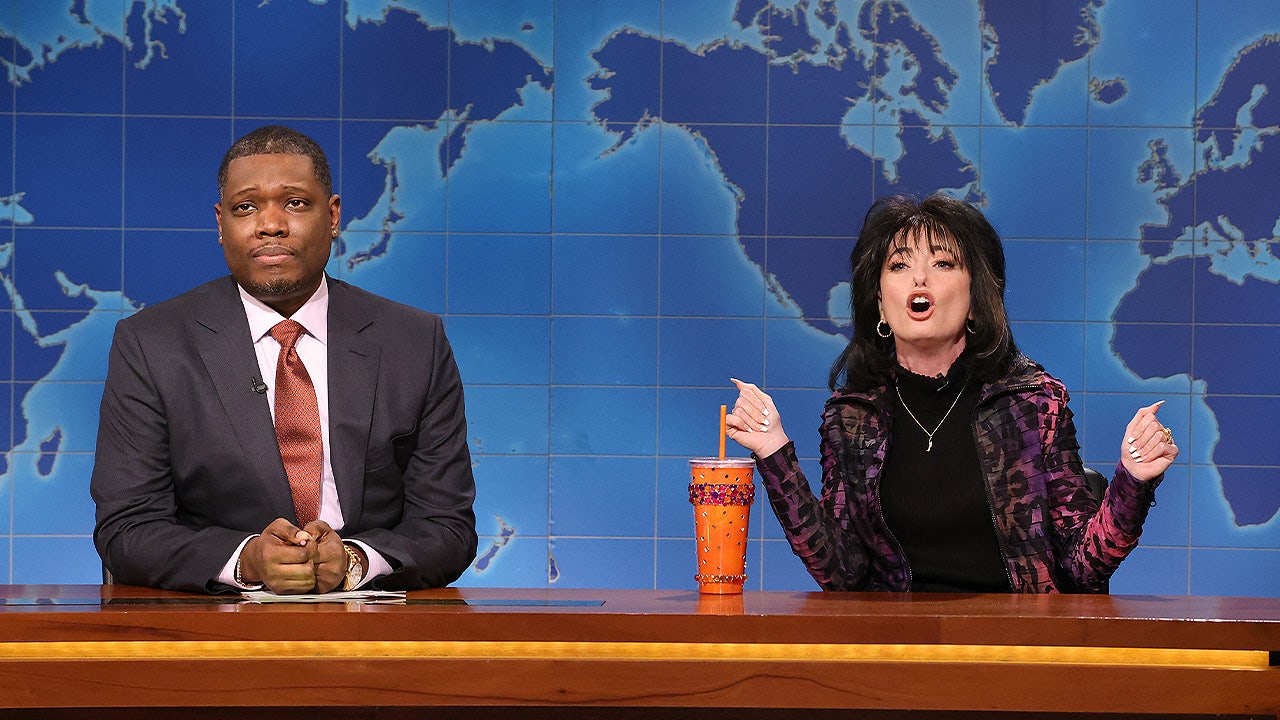
The cold open’s treatment of real-life NYC mayoral candidate Zohran Mamdani sparked immediate backlash from progressive groups. The sketch amplified Mamdani’s most controversial policies to absurd extremes, including suggesting libraries replace armed guards with “aggressive poetry readings” and jokingly blaming 9/11 on “insufficient bike lanes.”
Adding fuel to the fire, cast member Sarah Sherman—who appeared in the sketch mocking her real-life political ally—had actively campaigned for Mamdani months earlier. The candidate’s team released a statement calling the portrayal “a deliberate distortion meant to sway undecided voters.”
Historical Context of SNL Political Controversies
This isn’t the first time SNL’s political humor has drawn fire:
- 2023: Pete Davidson’s Cuomo jokes were accused of minimizing corruption
- 2020: Che’s Democratic debate moderators were called racially insensitive
- 2016: Baldwin’s Trump was criticized for making authoritarianism seem funny
Dana Carvey’s Elon Musk Cameo – Nostalgia or Needed Critique?

In the night’s biggest surprise, SNL veteran Dana Carvey returned after a decade-long absence to reprise his Elon Musk impersonation—now turbocharged to match the billionaire’s increasingly erratic public persona. Carvey’s Musk arrived promising to buy NBC and turn SNL into “X Night Live,” complete with 8-second sketches and “AI-generated Lorne Michaels.”
The appearance highlighted how radically both Musk and political satire have changed since Carvey’s heyday. His updated interpretation incorporated:
- Musk’s signature speech patterns (abrupt subject changes, meme references)
- Physical tics like “emoji face” expressions
- A running gag about “acquiring” public infrastructure
How Musk Impressions Have Evolved
Comparing eras of Musk parody:
| Era | Focus | Signature Joke |
|---|---|---|
| 2010-2018 | Tech optimism | “I’ll save humanity with cars and flamethrowers!” |
| 2019-2022 | Twitter chaos | “Let me solve free speech (by firing 80% of you)” |
| 2023-present | Existential satire | “Mars won’t have… taxes? *nervous laughter*” |
SNL’s Bold Response to Political Censorship Threats
The episode’s meta-commentary about entertainment under political pressure emerged as its most potent theme. A standout segment featured Mikey Day as an FCC chairman threatening to revoke SNL’s license over “anti-American content,” directly referencing real-world attempts to regulate late-night comedy.
The sketch’s defiant tone suggests SNL anticipates increased scrutiny given the Trump administration’s rocky relationship with media critics. In a particularly biting moment, Teller’s Trump admitted his real grievance: “These shows keep using my actual hairline in impressions!”
Key Moments in SNL’s Free Speech Battles
- 1977: Threatened with cancellation over “vulgar” content
- 2001: Post-9/11 pressure to avoid political humor
- 2025: Current FCC chair calls for “patriotic entertainment” standards
Comments