
DoorDash’s stock plunged 9% despite 22% revenue growth, as investors balked at soaring costs in Q3 2025. The delivery leader’s massive spending on autonomous tech and driver incentives triggered concerns about its path to profitability.
With labor shortages squeezing margins, DoorDash’s Waymo partnership aims to replace 20% of Phoenix deliveries with driverless vehicles by 2026 – mirroring Uber Eats’ successful AV program. Analysts warn the company must balance short-term losses with long-term automation gains to survive the industry shift.
- DoorDash’s stock dropped 9% despite 22% revenue growth due to heavy spending on tech upgrades and autonomous delivery R&D.
- The company faces labor shortages and rising costs, pushing it toward partnerships with Waymo and in-house robot “Dot” for autonomous solutions.
- Early data suggests robot deliveries may initially increase costs by 8-12% due to equipment depreciation and infrastructure investments.
- Industry projections estimate widespread adoption of autonomous delivery won’t occur until 2028-2030, with regulatory hurdles remaining a key challenge.
Why DoorDash’s Stock Dropped Despite 22% Revenue Growth
DoorDash’s Q3 2025 earnings report revealed a paradox: while revenue grew 22% year-over-year, its stock plummeted 9% due to ballooning operational costs. The delivery giant spent aggressively on driver incentives ($283M in R&D alone) and autonomous delivery initiatives, causing EBITDA losses to widen to $189M – $37M worse than analysts expected. Rising sales and marketing costs (up 31% YoY) further squeezed margins despite an 18% increase in order volume.
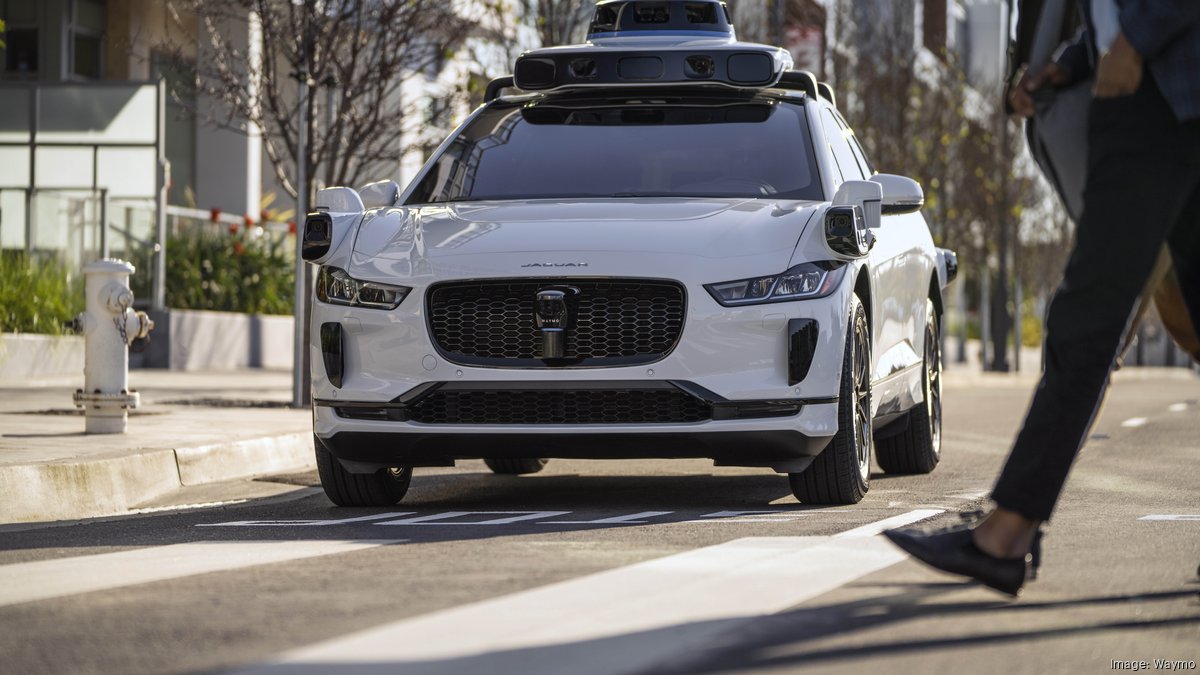
The market reaction highlights Wall Street’s dwindling patience with food delivery’s unsustainable economics – even leaders like DoorDash struggle to balance growth with profitability.

Key Financial Pressure Points
- Driver acquisition costs surged to $6.83 per Dasher (vs. $5.12 in 2024)
- 43% of contract workers quit within 3 months
- Autonomous vehicle R&D consumed 15% of total revenue
Can Waymo’s Autonomous Tech Solve DoorDash’s Labor Crisis?
DoorDash’s partnership with Waymo aims to replace 20% of Phoenix deliveries with autonomous vehicles by Q2 2026 – a direct response to worsening driver shortages. The model mirrors Uber Eats’ successful Phoenix pilot (50,000+ driverless deliveries since 2024) and addresses three critical issues:
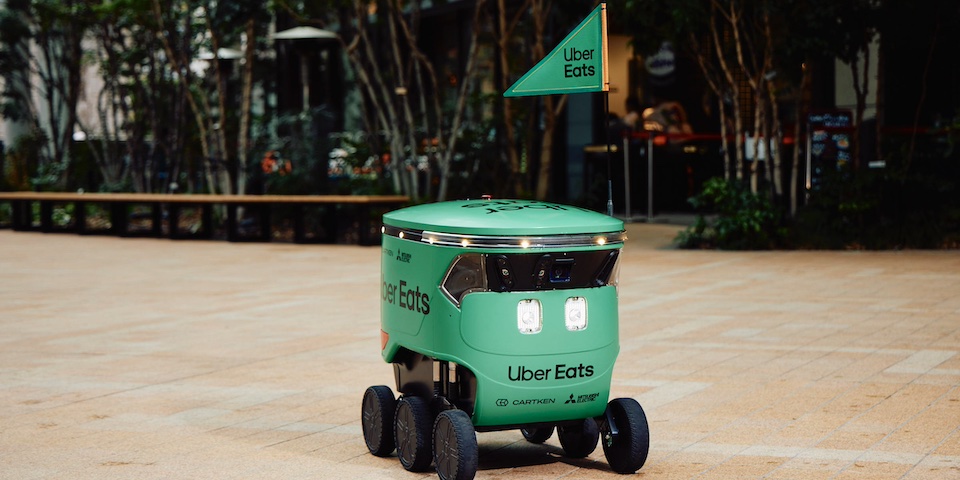
- 24/7 operational capacity without breaks or shift constraints
- Elimination of surge pricing during peak demand
- Reduced regulatory risks as cities mandate higher gig worker wages
Early metrics suggest autonomous vehicles complete deliveries 17% faster in optimal conditions, though harsh weather drops reliability by 40%.
The High-Stakes Race for Delivery Automation
As competitors accelerate autonomous deployments, DoorDash plays catch-up with multiple parallel initiatives:
| Initiative | Current Status | 2026 Target |
|---|---|---|
| Waymo Collaboration | Phoenix pilot (50 vehicles) | 1,000+ AVs across 4 cities |
| Serve Robotics | Sidewalk bots in LA | 10,000 robot fleet |
| In-house “Dot” Robot | Prototype testing | Mass production |
Technical Hurdles Slowing Adoption
- Weather Sensitivity: Current AVs fail in heavy rain/snow
- Battery Limitations: 4-6 hours operational time requires frequent charging
- Regulatory Approval: Waymo’s recent Phoenix recalls show certification risks
Will Autonomous Deliveries Actually Reduce Costs?
Paradoxically, early-stage robot deliveries increase costs by 8-12% due to:
- $250,000+ per AV unit depreciation
- Geofencing infrastructure investments ($15M per city)
- Specialized insurance premiums (3x human driver rates)

Japanese operator Rakuten reports autonomous costs drop 34% after reaching 1.2M deliveries in a single city – suggesting scale is everything.
The 5-Year Roadmap for Driverless Dominance
Industry analysts predict this adoption timeline:
- 2025-2026: Limited to 3-5 ideal test cities (Phoenix, Osaka, etc.)
- 2027-2028: Suburban expansion in sunbelt regions
- 2029+: Dense urban deployments pending safety approvals
Make-or-Break Factors
- Regulation: 23 states currently ban fully driverless deliveries
- Consumer Acceptance: 62% still prefer human delivery for complex orders
- Tech Breakthroughs: Solid-state batteries could double robot range by 2027
Comments