
Prepare for an unforgettable celestial event in 2025 as the Harvest Moon coincides with the year’s brightest Supermoon, creating a dazzling spectacle on November 5th. This rare Beaver Moon will appear 14% larger and 30% brighter than usual, enhanced by the mesmerizing “Moon Illusion” effect near the horizon.
The astronomical show intensifies as the Southern Taurid meteor shower peaks simultaneously, offering stargazers a chance to witness fireballs cutting through the supermoon’s glow. Coastal areas should brace for amplified king tides due to the moon’s extraordinary gravitational pull.
- The Harvest Moon in November 2025 will be the brightest and largest supermoon since 1948, appearing 14% bigger and 30% brighter than usual.
- Peak viewing occurs on November 5th during moonrise, coinciding with the Southern Taurid meteor shower—known for producing fireballs visible despite the moon’s brightness.
- The Beaver Moon’s name originates from Algonquin trappers’ seasonal activities, not the animal’s behavior, reflecting indigenous ecological calendars.
- Tidal forces will be 42% stronger than average during this supermoon, potentially causing significant coastal high tides.
Harvest Moon 2025: The Brightest Supermoon in Decades

The 2025 Harvest Moon will be the most spectacular lunar event in recent memory, marking the Moon’s closest approach to Earth since 1948. This supermoon will appear 14% larger and 30% brighter than an average full moon, creating a celestial spectacle that won’t be matched for generations. The phenomenon occurs when the Moon reaches perigee (its closest point to Earth) at the same time as its full phase, bringing it approximately 35,700 km closer than usual.
What makes this event particularly special is the timing – as the Harvest Moon coincides with perigee, it creates what astronomers call a “proxigean moon.” This alignment enhances both the visual and gravitational effects, with the Moon appearing dramatically larger when near the horizon due to the famous “Moon illusion” effect. Skywatchers should look east just after sunset on November 5th for the most impressive views.
The tidal forces during this supermoon will be exceptionally strong, potentially creating coastal flooding in vulnerable areas. Marine biologists predict unusual opportunities to observe intertidal ecosystems that are normally submerged. The gravitational pull will be about 42% more powerful than during apogee moons, creating tides that could exceed normal levels by 20% or more in some regions.

The Science Behind the Supermoon’s Brilliance
The extraordinary brightness of the 2025 Harvest Moon comes from perfect alignment between the Sun, Earth, and Moon. When the Moon is full at perigee, its surface reflects sunlight directly back to Earth with maximum intensity. Scientists measure this as “apparent magnitude,” and this supermoon will reach -12.9 magnitude – significantly brighter than the typical full moon’s -12.7.
Beaver Moon: The Historical Significance Behind November’s Full Moon
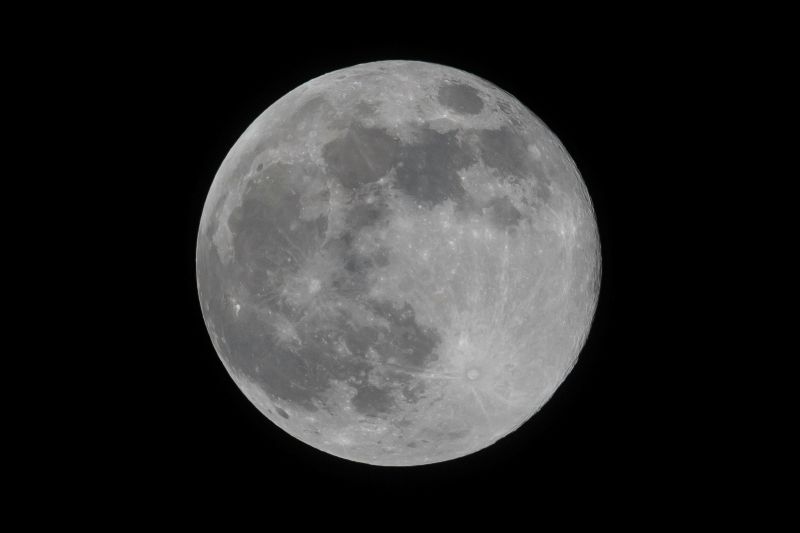
The November full moon’s traditional name – the Beaver Moon – has fascinating roots in North American history. Contrary to popular assumption, it doesn’t refer to increased beaver activity, but rather to the trapping season when Native American tribes and early European settlers prepared beaver pelts for winter. The Algonquin people named it the Beaver Moon as this was the last chance to set traps before waterways froze over.
Three intriguing facts about the Beaver Moon tradition:
- Some tribes called it the “Frost Moon” instead, marking the first winter frosts
- European settlers connected it to St. Martin’s Day celebrations in early November
- Modern wildlife studies show beavers actually reduce activity during this moon phase
Cultural Celebrations Worldwide
Across different cultures, the November full moon holds various meanings. In China, it marks the end of the agricultural year, while in India it’s associated with the Kartik Purnima festival. This cultural diversity demonstrates humanity’s universal fascination with our closest celestial neighbor.
Best Locations to Witness the 2025 Supermoon Phenomenon
While the supermoon will be visible worldwide, certain locations offer particularly spectacular viewing conditions. High-altitude areas with clear atmospheric conditions and minimal light pollution will provide optimal visibility for this astronomical event.
| Location | Special Features | Best Viewing Time |
|---|---|---|
| Atacama Desert, Chile | World’s clearest skies with 0 light pollution | Nov 5, 8:30 PM local |
| Mauna Kea, Hawaii | High elevation reduces atmospheric distortion | Nov 5, 6:18 PM HST |
| Uluru, Australia | Cultural significance enhances experience | Nov 6, 7:15 AM ACST |
Photography Tips for Capturing the Supermoon
To photograph this rare event, use a DSLR or mirrorless camera with at least a 200mm lens. Manual settings work best: try f/11 aperture, ISO 100, and shutter speed around 1/125th second. For smartphones, use night mode and manual exposure adjustment (-2EV). A tripod is essential for sharp images.
Southern Taurid Meteor Shower: Viewing Despite the Supermoon
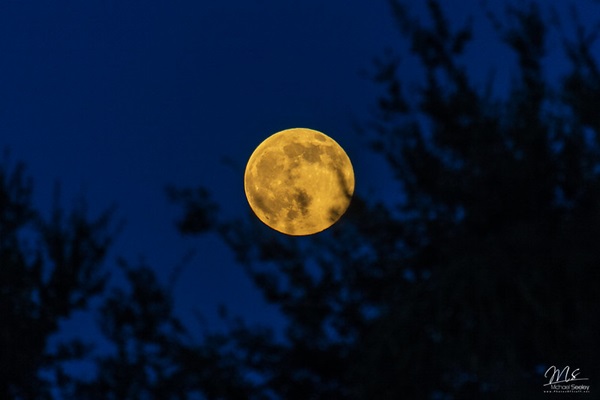
The cosmic timing places the peak of the Southern Taurid meteor shower (November 5-6) simultaneous with the supermoon’s brilliance. While normally moonlight would obscure meteor viewing, the Taurids are known for producing exceptionally bright fireballs that can compete with lunar brightness.
Optimal viewing strategy:
- Focus on moonless periods before dawn on November 6th
- Look toward the Taurus constellation
- Expect 5-10 bright fireballs per hour
Why the Taurids Are Special
Unlike most meteor showers from comet dust, the Taurids contain larger fragments that create more spectacular fireballs. NASA studies suggest these may be remnants from a larger comet that broke apart thousands of years ago.
Debunking Supermoon Myths and Misconceptions

Despite ancient beliefs and modern pseudoscience, several persistent moon myths deserve correction by scientific facts:
- “Supermoon causes natural disasters” – While tides are higher, extensive studies show no correlation with earthquakes
- “Full moons affect human behavior” – Over 100 medical studies found no significant effects on human psychology
- “Moon planting increases crop yields” – Agricultural research shows no consistent benefits to planting by moon phases
However, wildlife does respond to supermoons: Nocturnal animals show measurable behavior changes, with many species becoming less active under the brighter conditions to avoid predators.
2025’s Remaining Celestial Highlights
After the Harvest Moon spectacle, skywatchers can look forward to these upcoming astronomical events:
- December 4-17: Geminid Meteor Shower (peak Dec 13-14)
- December 21: Winter Solstice with rare planetary alignment
- January 3-4, 2026: Quadrantid Meteor Shower peak
The December planetary alignment will feature Mercury, Venus, and Mars clustered near the Moon – a configuration that won’t occur again until 2036. Early risers will get the best views of this celestial gathering in the pre-dawn eastern sky.
Planning Your Celestial Calendar
Serious astronomers should mark their calendars for these events, noting that dark sky locations will provide the best viewing conditions. The Geminids in particular reward observers with their high meteor count and frequent fireballs.
Comments