
Senate Democrats are racing against time to prevent a prolonged government shutdown as critical deadlines loom. The FAA’s warning of 10% flight capacity cuts threatens Thanksgiving travel chaos, adding pressure to stalled negotiations.
Former President Trump’s renewed demands on immigration have further complicated bipartisan talks, with federal workers entering their 37th day without pay. All eyes are on Friday’s Senate vote as the economic and humanitarian costs escalate.
- Senate Democrats face mounting pressure to resolve the 37-day government shutdown as the FAA warns of impending 10% flight capacity cuts, threatening Thanksgiving travel chaos.
- Former President Trump’s demands for hardline immigration measures risk fracturing bipartisan negotiations, while his filibuster push appears strategically timed to shift blame.
- Federal workers surpass 2019 shutdown records with no back pay guarantee, while 42 million SNAP recipients face benefit exhaustion by November 15th.
- Airport disruptions at major hubs like JFK and LAX may become the breaking point, with airlines projecting 12,000 daily flight cancellations if the stalemate continues.
Senate Democrats Struggle to Avert Government Shutdown as Flight Cuts and Trump’s Demands Threaten Deal
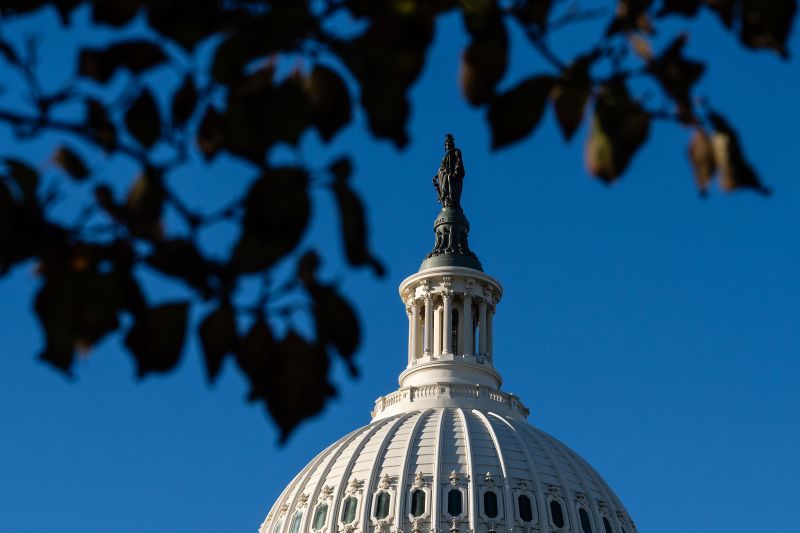
Mounting Pressure on Senate Democrats as Shutdown Enters Day 37
With the government shutdown now reaching its 37th day – surpassing the previous record set in 2019 – Senate Democrats face intensifying pressure to broker a compromise. The FAA’s warning of impending 10% flight capacity cuts at major airports has dramatically raised the stakes, creating new urgency for resolution.
Key factors complicating negotiations include:
- Over 800,000 federal employees have missed multiple paychecks
- Air traffic controller shortages worsening daily
- SNAP benefits potentially running out by November 15th
The political calculus has become increasingly complex, with Democrats emboldened by midterm election gains but facing public backlash as disruptions mount. Meanwhile, Republicans appear divided between pragmatic lawmakers seeking compromise and hardliners aligned with former President Trump’s demands.

Aviation Crisis Looms as FAA Warns of Thanksgiving Travel Chaos
The Federal Aviation Administration’s plan to reduce airline capacity threatens to disrupt holiday travel for millions of Americans. With Thanksgiving just weeks away, the Transportation Department estimates 12,000 daily flights could be affected, with regional airports likely suffering the most severe impacts.
Airlines are preparing contingency plans that may include:
| Strategy | Potential Impact |
|---|---|
| Flight consolidation | Fewer options for travelers |
| Priority for international routes | Domestic travelers disadvantaged |
| Route cancellations | Smaller communities isolated |
The aviation system’s fragility has become apparent, with air traffic controllers reporting increasing fatigue and stress after working without pay for over a month. Transportation experts warn the system could reach a breaking point within days.
Trump’s Last-Minute Demands Complicate Negotiations
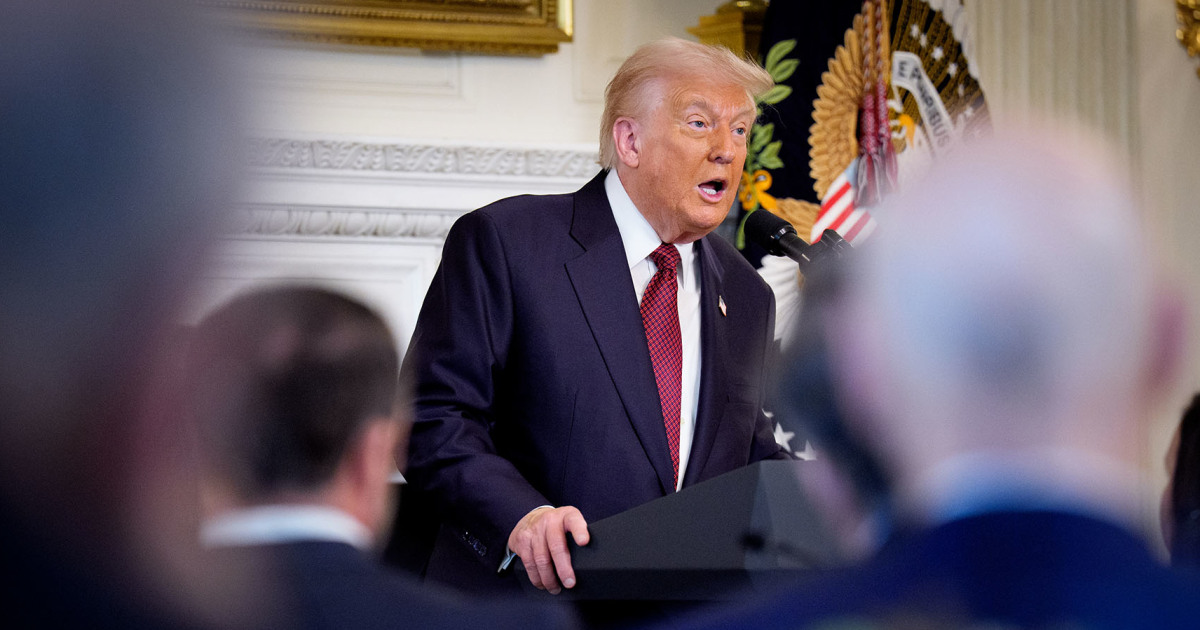
Former President Trump’s renewed push for hardline immigration measures has injected new uncertainty into fragile bipartisan talks. His sudden call to eliminate the legislative filibuster – after years of supporting the 60-vote threshold – appears strategically timed to:
- Shift blame to Senate procedures rather than policy disagreements
- Force vulnerable Democrats to take difficult votes ahead of elections
- Distract from dwindling emergency funds for critical programs
The move has drawn criticism from both sides of the aisle, with several Republican senators privately expressing frustration. The proposal lacks sufficient support even within the GOP caucus, making its viability questionable despite the attention it’s receiving.
Federal Workers Face Unprecedented Hardship
With the shutdown now the longest in U.S. history, federal employees face mounting financial pressures:
| Issue | Impact |
|---|---|
| Missed paychecks | Average of 2.5 pay periods |
| Food bank usage | Up 300% among feds |
| Retirement withdrawals | Spike in early distributions |
While Congress has historically approved retroactive pay for federal workers, the situation differs significantly from previous shutdowns because:
- No back pay legislation has passed yet
- The duration has exceeded all precedents
- Contractors remain excluded from compensation
The growing divide between federal employees (who typically receive back pay) and contractors (who don’t) has sparked renewed debate about fairness in shutdown policies.
SNAP Benefits Nearing Exhaustion Date
The USDA’s warning that Supplemental Nutrition Assistance Program (SNAP) funds could run out by November 15th has added urgency to negotiations. The potential impact includes:
- 42 million Americans facing benefit reductions
- 90% of January benefits at risk
- WIC programs for mothers and children threatened
States are attempting emergency measures like front-loading February payments, but this would create a benefits gap stretching nearly two months if the shutdown persists. Anti-hunger advocates warn this could create the most severe nutrition crisis in the program’s history.
Economic Impacts Mounting Across Sectors
Aviation Industry Strain
The projected flight cancellations could cost airlines millions daily, with ripple effects across the travel and hospitality sectors. Major airports are preparing for:
| Airport | Projected Daily Cancellations |
|---|---|
| JFK (New York) | 120+ |
| ORD (Chicago) | 90+ |
| LAX (Los Angeles) | 75+ |
Small Business Fallout
Government contractors, particularly small businesses, face existential threats:
- No guarantee of back pay unlike federal employees
- Cash flow crises threatening operations
- Some may never recover financially
Economists warn the cumulative economic impact could exceed $15 billion if the shutdown continues through Thanksgiving, surpassing all previous shutdown cost estimates.
Political Brinkmanship Reaches Critical Phase
With a critical Senate vote looming Friday, both parties face difficult choices:
- Democrats must weigh short-term pain against potential long-term gains
- Republicans balance Trump’s demands against growing public anger
- Moderates in both parties seek exit strategies
Historical patterns suggest visible public suffering – like stranded travelers or hungry families – often forces action. However, with elections approaching, both parties may calculate they can withstand more pressure before compromising.
Path Forward Remains Uncertain
Possible scenarios include:
- Short-term funding bill: Temporary fix kicking can down road
- Grand bargain: Comprehensive deal on spending and immigration
- Partial reopening: Piecemeal approach funding select agencies
With Trump’s unpredictable interventions and Democratic leadership emboldened by recent electoral successes, the shutdown may continue until an undeniable crisis forces action. The aviation disruptions looming this weekend could provide that catalyst.
Comments