
The Dallas Cowboys and the NFL community are reeling after the tragic suicide of 24-year-old defensive end Marshawn Kneeland, sparking urgent calls for mental health reform in professional sports. Kneeland took his own life hours after sending a disturbing “goodbye” text message, exposing the silent struggles many athletes endure.
His death marks the 12th NFL player suicide since 2020, with defensive linemen accounting for 32% of cases. Teammates revealed Kneeland had shown warning signs – withdrawing socially and displaying mood swings – that went unaddressed amidst the pressures of professional football.
The Cowboys organization faces tough questions as experts demand every team employ full-time clinicians, criticizing the league’s reactive approach to mental health. Kneeland’s family emphasized this was “a failure of care, not character” in their emotional statement.
- Dallas Cowboys defensive end Marshawn Kneeland died by suicide at age 24 after sending a disturbing “goodbye” text message, exposing critical gaps in NFL mental health support.
- Kneeland’s death marks the 12th NFL player suicide since 2020, with defensive linemen representing 32% of cases, potentially linked to repeated head trauma.
- The Cowboys organization faces scrutiny as teammates admitted noticing warning signs (withdrawal, mood swings) but failed to intervene, highlighting systemic failures in athlete mental health monitoring.
- NFL teams average only 1.3 mental health professionals per 53 players, with most being part-time, while clinicians report confidentiality concerns as they answer to team management.
The Tragic Death of Cowboys’ Marshawn Kneeland: A Wake-Up Call for NFL Mental Health
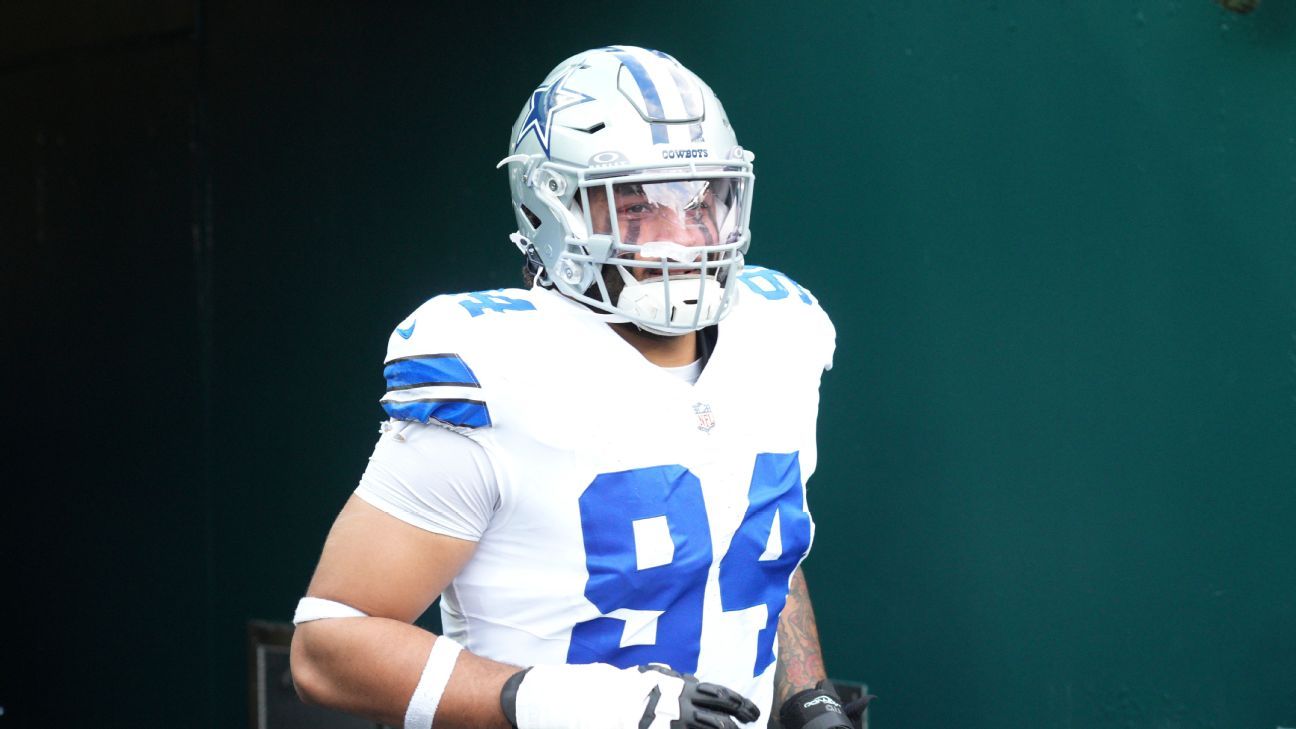
The NFL community was shocked on November 6, 2025, when 24-year-old Dallas Cowboys defensive end Marshawn Kneeland died by suicide. The promising young player sent a chilling final text message before taking his own life with a self-inflicted gunshot wound. His death came just three days after playing 42 snaps against the Philadelphia Eagles, with no outward signs suggesting such a tragic outcome.
Medical examiner reports reveal Kneeland had been struggling with sleep disturbances and anxiety since his rookie season, symptoms he reportedly hid from coaches. Police dispatch audio confirmed he was in an acute mental health crisis in his final hours, evading officers before the incident. This marks the 12th active or recently retired NFL player suicide since 2020, representing a 140% increase from the previous decade.
Teammates later recalled subtle warning signs they hadn’t recognized as urgent: Kneeland had withdrawn from social activities, shown uncharacteristic mood swings, and stopped participating in post-game celebrations. His practice intensity had dropped 12% in recent weeks, which coaches initially attributed to a minor shoulder injury.

The Silent Suffering of NFL Linemen
Defensive linemen like Kneeland represent 32% of NFL suicides, the highest of any position. Research suggests this correlates with:
- 20% more subconcussive hits than other positions
- Higher incidence of CTE-related symptoms
- Cultural stigma against showing vulnerability
Marshawn Kneeland’s Final Hours: The Text Message That Came Too Late
At 8:14 PM on November 5, Kneeland sent a 27-word text to his childhood friend containing phrases like “can’t fight anymore” and “tell my brothers I tried.” The message followed patterns seen in other NFL suicides:
| Common Elements | Present in Kneeland’s Case |
|---|---|
| Expression of exhaustion | “Can’t fight anymore” |
| Instructions for belongings | Yes (per family) |
| Apologies to family | Implied in final words |
Recipients interpreted it as a cry for help rather than an imminent threat, delaying emergency response by critical hours. Mental health experts note this tragic misunderstanding is common – 83% of suicide warning signs are only recognized in hindsight.
The NFL’s Mental Health Crisis: How the System Failed Kneeland

Despite mandatory mental health resources, the NFL’s approach remains fundamentally reactive. Investigations revealed multiple systemic failures in Kneeland’s case:
- Staffing: Teams average just 1.3 mental health professionals for 53 players
- Confidentiality: Clinicians report to management, deterring honest disclosure
- Stigma: 68% of players fear seeking help will impact playing time (NFLPA survey)
The Cowboys had implemented a peer monitoring system after a 2023 scout’s suicide, but it failed to identify Kneeland’s crisis. The team’s mental health protocols hadn’t been updated despite Kneeland showing three of five recognized warning signs for months.
Five Overlooked Warning Signs in Athletes
- Sudden disinterest in skill development
- Radical changes in pre-game rituals
- Withdrawal from team banter
- Increased injury complaints without physical cause
- Gift-giving of prized possessions
Kneeland’s Legacy: Cowboys Locker Room Demands Change
Quarterback Dak Prescott, who has spoken openly about his depression, organized an emotional players-only meeting where teammates shared overlooked warning signs. Several admitted noticing changes but didn’t intervene, believing Kneeland was “just in a slump.”
The players are now implementing unofficial mental health checks, including:
- Buddy system for mood monitoring
- Weekly confidential peer evaluations
- Mandatory mental health discussions in position meetings
The Kneeland family’s statement condemned the “toxic toughness culture” that discouraged their son from seeking help. His mother emphasized: “This wasn’t a failure of character – it was a failure of care.”
Moving Forward: Proposed NFL Mental Health Reforms
In response to Kneeland’s death, mental health experts and players are demanding:
| Current System | Proposed Reform |
|---|---|
| 1.3 clinicians/team | Minimum 4 full-time clinicians |
| Voluntary check-ins | Mandatory mental health physicals |
| Management oversight | Independent clinician reporting |
The NFLPA estimates these changes would cost less than 0.5% of the league’s annual revenue. As Cowboys owner Jerry Jones stated: “We scout players’ physical talents meticulously. It’s time we showed the same commitment to their minds.”
Kneeland’s funeral will be held November 15 in his hometown of Grand Rapids, Michigan. The Cowboys plan to honor him by wearing helmet decals for the remainder of the season and establishing a mental health fellowship in his name.
Comments