
The U.S. government shutdown has reached a historic 39 days with bipartisan talks collapsing despite urgent weekend Senate sessions. Economic losses now exceed $11 billion as 800,000 federal workers face another unpaid week amid gridlock over border security demands.
Critical services from FDA inspections to TSA operations are deteriorating, while Republicans rejected a Democratic healthcare proposal during Saturday negotiations. With no votes scheduled to end the standoff, the nation braces for deeper economic and social consequences.
- The U.S. government shutdown has reached a historic 39-day mark with no resolution, as weekend Senate sessions failed to break the deadlock over border security and budget disputes.
- Economic costs have surged to $11 billion, with 800,000 federal workers unpaid and critical services like FDA inspections operating at 50% capacity.
- Weekend Senate sessions served as political theater rather than productive negotiations, with Republicans rejecting Democrats’ healthcare proposals and tensions escalating.
- Essential services like air traffic control and mail delivery continue, but with severe staffing shortages, while federal contractors face irreversible financial losses without backpay guarantees.
- Economists warn of potential recession risks if the shutdown extends beyond 45 days, with GDP growth projected to decline by 0.1% every 10 days.
U.S. Government Shutdown Update: Cost Hits $11 Billion As Weekend Senate Sessions Fail to End Historic Impasse
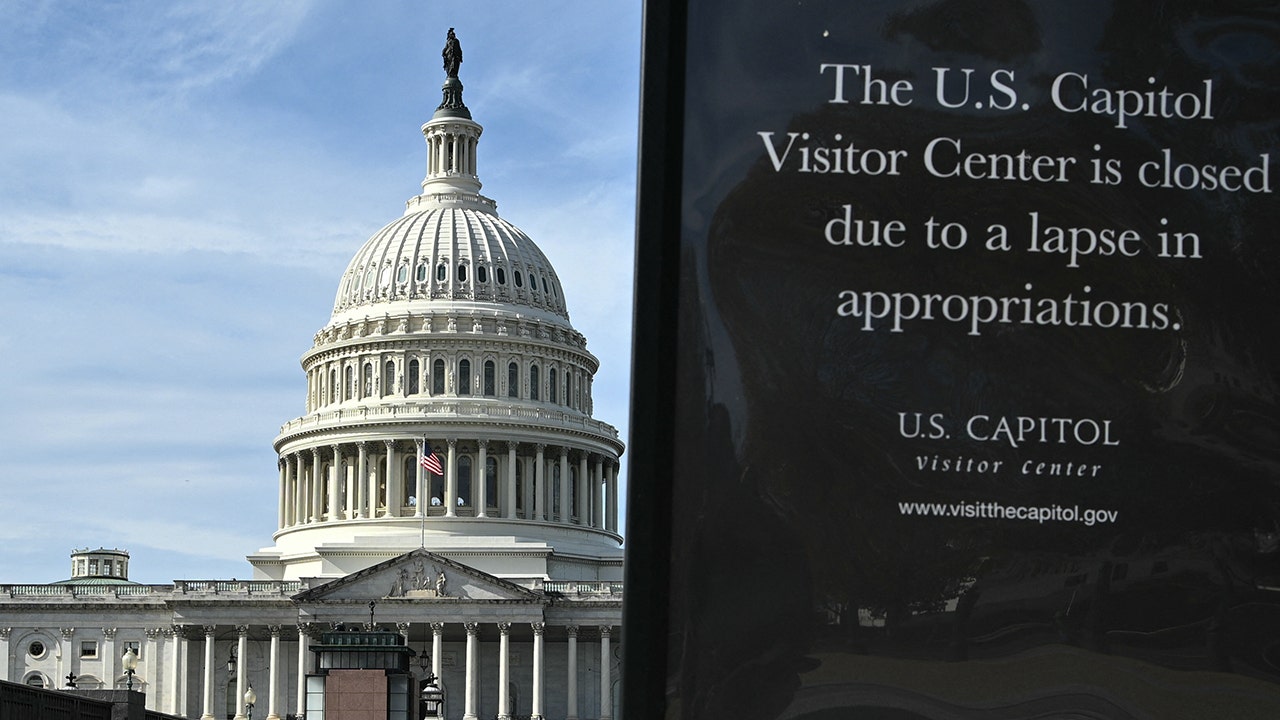
The Longest Shutdown in U.S. History: Day 39 and Counting
The U.S. government shutdown has now surpassed 39 days, becoming the longest in American history. Despite rare weekend Senate sessions, lawmakers failed to reach an agreement, leaving 800,000 federal workers without pay and critical services strained. The economic toll has reached $11 billion in losses, with each week adding approximately $6 billion to the damage.
Key impacts include:
- FDA food inspections reduced by 50%, raising public health concerns
- TSA absentee rates exceeding 10% at major airports
- National parks accumulating $11 million in uncollected fees
- IRS tax refund delays potentially exceeding $5 billion

Weekend Senate Sessions: Political Theater or Genuine Breakthrough Attempt?
The Senate held unusual weekend sessions in an attempt to resolve the impasse, but these efforts failed to produce results. The Saturday session included procedural votes and border security debates, culminating in a failed cloture vote (52-48). Constitutional scholars note that weekend legislative activity typically only occurs during national emergencies.
| Time | Activity | Outcome |
|---|---|---|
| 10:00 AM | Procedural votes | Completed |
| 1:30 PM | Border security debate | No resolution |
| 4:45 PM | Cloture vote | Failed (52-48) |
The $11 Billion Question: Who Bears the Shutdown’s Economic Burden?
The Congressional Budget Office estimates the shutdown has cost the U.S. economy $11 billion so far, with losses mounting at approximately $6 billion per week. While some argue that not paying workers temporarily saves money, backpay provisions mean these are merely delayed costs rather than actual savings.
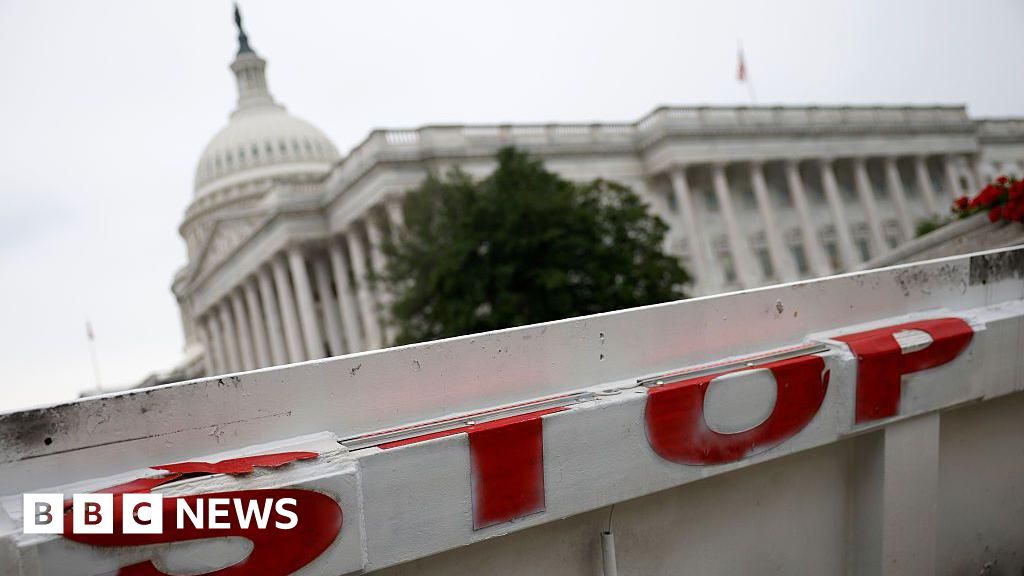
The economic pain extends far beyond government payrolls:
- Small businesses that rely on government contracts face collapse
- Tourism suffers near national parks and monuments
- Scientific research faces massive backlogs
- Consumer confidence continues to decline
The hidden victims
Federal contractors – particularly minority- and women-owned small businesses – face unique hardships with no guarantee of backpay. Defense contractors alone report $2.3 billion in delayed payments, creating ripples throughout supply chains.
Essential Services in Peril: What’s Still Running and What’s Not
While some critical government functions continue through legal exceptions or creative funding mechanisms, nearly all agencies operate at reduced capacity:

- Air traffic control: Operational but understaffed
- USPS mail delivery: Continuing (self-funded)
- Social Security checks: Being processed (automatic payments)
- Active military operations: Continuing but with pay delays
The “shadow shutdown” effect means even operational agencies slow down without support staff. Permit approvals, clinical trials, and safety inspections face growing backlogs that will persist long after funding resumes.
When Will It End? Predicting the Shutdown’s Conclusion
Historical data suggests government shutdowns average 2-3 weeks when resolved, but this one has already shattered norms. With midterm elections adding political complexity, analysts suggest several possible end scenarios:
- Short-term compromise: A temporary funding bill to reopen government while negotiations continue
- Complete collapse: One side surrenders entirely on key demands
- Protracted battle: The shutdown continues into December

Every 10 days of shutdown cuts 0.1% from GDP growth. At the current pace, Q4 growth could turn negative, potentially triggering a recession if the impasse continues much longer.
The Human Toll: Stories From the Frontlines of the Shutdown
Behind the staggering economic numbers are real human stories of hardship:
| Group | Impact | Compensation Status |
|---|---|---|
| Federal prison guards | Working without pay | Backpay guaranteed |
| NASA scientists | Furloughed | Backpay guaranteed |
| Government contractors | No work, no pay | No backpay guarantee |
| Congress members | Business as usual | Paid throughout |
Food banks report surging demand from unpaid federal workers, while mental health hotlines see increased calls from stressed government employees uncertain how they’ll pay next month’s rent.
The inequality of sacrifice
While lawmakers continue receiving paychecks, many federal workers have begun selling possessions or taking second jobs to make ends meet. The disparity has fueled public outrage and calls for reform.
Comments