
The Minnesota Vikings community was left in shock after rookie cornerback Khyree Jackson tragically died in a high-speed crash. The fatal July 2024 collision involved an intoxicated driver, with speeds estimated over 80 mph.
Authorities confirmed Cori Clingman, the impaired driver responsible, pleaded guilty to negligent homicide. Jackson, just 24, was among three victims ejected from the vehicle—none wearing seatbelts. The case has reignited debates on DUI penalties and NFL player safety protocols.
- Cori Clingman, the intoxicated driver in the fatal crash that killed Vikings rookie Khyree Jackson and two others, pleaded guilty to negligent homicide.
- Investigators estimated speeds exceeded 80 mph during the collision, with Jackson and the other victims not wearing seatbelts, worsening the outcome.
- Clingman faces 8–12 years in prison under a plea deal, with parole eligibility after 5 years, sparking debate over sentencing leniency.
- The Vikings retired Jackson’s jersey and partnered with MADD to promote anti-DUI initiatives and stricter player transportation policies.
Vikings Score Shock: Khyree Jackson’s Fatal Crash Speed Revealed & Driver Sentenced
The Tragic Crash: What Happened to Vikings Rookie Khyree Jackson?
On July 6, 2024, Minnesota Vikings rookie cornerback Khyree Jackson, along with two others, lost their lives in a devastating high-speed collision in Maryland. The crash involved three vehicles, with Jackson traveling as a passenger in a Dodge Charger. The driver responsible, Cori Clingman, was later found to be intoxicated with a blood alcohol content (BAC) twice the legal limit.
Authorities confirmed that while Jackson’s exact speed wasn’t disclosed, all vehicles were estimated to be traveling over 80 mph at the time of impact. The force of the collision was so severe that Jackson and the other victims were ejected from the vehicle. Forensic reports later revealed that none of the occupants were wearing seatbelts, which significantly contributed to the fatal outcome.
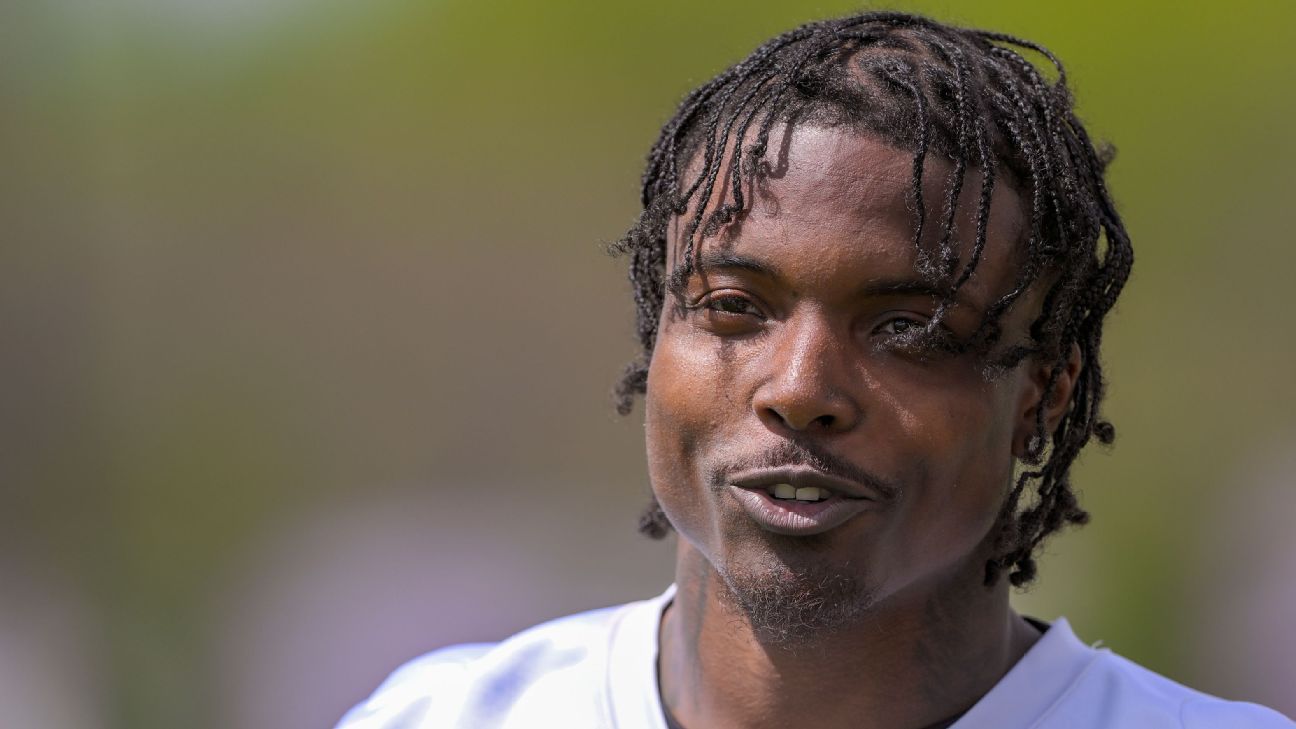

The Vikings organization was left reeling from the loss of their promising 24-year-old cornerback, who had just begun his NFL career. Team officials described Jackson as a rising star with tremendous potential, making his untimely death all the more heartbreaking for the football community.
The Science Behind High-Speed Crashes
Research shows that:
- Crash survival rates drop by 50% when speeds exceed 50 mph
- At 80+ mph, the fatality rate approaches 100%
- Seatbelts reduce fatal injury risk by 45% for front-seat passengers
Legal Consequences: Driver’s Sentencing and Plea Deal
Cori Clingman, the intoxicated driver responsible for the crash, initially faced 13 charges including vehicular manslaughter and DUI. However, in a recent development, she pleaded guilty to reduced charges as part of a plea agreement. While the exact terms remain sealed, prosecutors confirmed the deal includes:
| Charge | Potential Sentence |
|---|---|
| Criminally negligent vehicular manslaughter | 5-15 years |
| DUI resulting in death | Mandatory minimum 5 years |
| Reckless driving | 1 year |
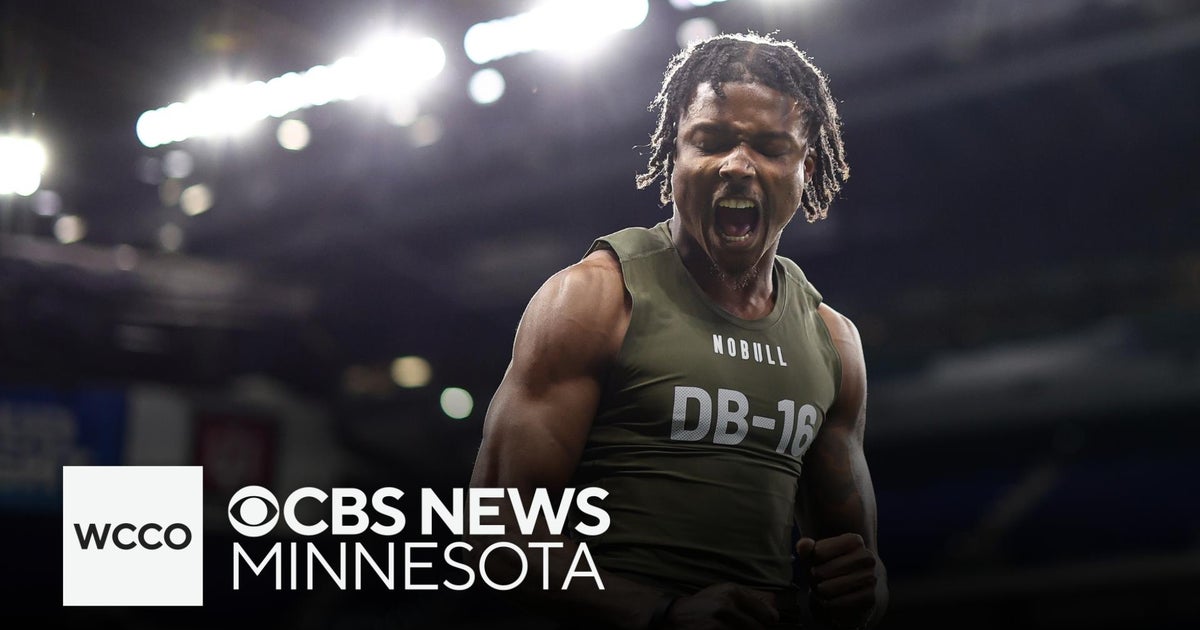
The victims’ families had mixed reactions to the plea deal. Some expressed relief at avoiding a prolonged trial, while others felt the punishment didn’t adequately reflect the magnitude of their loss. Jackson’s mother stated in court that “no sentence could ever bring back her son,” but appreciated the acknowledgment of guilt.
Safety Failures: The Seatbelt Factor
Forensic investigations revealed a critical detail that compounded the tragedy: none of the crash victims were wearing seatbelts at the time of impact. This safety lapse significantly increased the severity of injuries and contributed to the fatal outcomes.
Maryland state law requires all vehicle occupants to wear seatbelts, but enforcement remains inconsistent. Studies demonstrate that proper seatbelt use could have potentially:
- Reduced ejection risk by 75%
- Decreased severe injuries by 50%
- Improved survival chances by 45%
NFL’s Seatbelt Policy Changes
Following Jackson’s death, the Minnesota Vikings and several other NFL teams implemented new safety protocols:
- Mandatory seatbelt checks for all team travel
- Onboard monitoring systems in team vehicles
- Quarterly player education sessions on vehicle safety
The Ripple Effect: How the Vikings Organization Responded
The Minnesota Vikings organization took several meaningful actions to honor Jackson’s memory and improve player safety:

- Retired Jackson’s jersey number during an emotional pre-game ceremony
- Partnered with MADD (Mothers Against Drunk Driving) for awareness campaigns
- Implemented strict ride-share policies prohibiting players from driving after team events
- Established the Khyree Jackson Memorial Scholarship for underprivileged athletes
The team’s head coach stated, “Khyree’s death won’t be in vain if we can prevent even one future tragedy through these measures.” Players across the league have embraced the safety initiatives, with many veterans volunteering to mentor rookies about responsible decision-making.
Bigger Than Football: The National Conversation on Road Safety
Jackson’s tragic death sparked a nationwide discussion about several critical road safety issues:
Impaired Driving Awareness
The incident highlighted the persistent danger of drunk driving despite decades of awareness campaigns. Statistics show:
- 30% of traffic fatalities involve alcohol impairment
- DUI incidents increased 14% post-pandemic
- Repeat offenders account for 33% of DUI arrests
The crash raised questions about highway speed enforcement, particularly in areas like the Maryland roadway where the collision occurred. Traffic studies revealed:
- Only 32% of drivers comply with 65+ mph speed limits
- Speed-related fatalities increased 17% since 2020
- Less than 1% of speeders face actual consequences

Transportation safety advocates have used Jackson’s case to push for:
- Lower speed limits on high-crash corridors
- Mandatory ignition interlock devices for all vehicles
- Automated speed enforcement cameras
- Stricter seatbelt law enforcement
Conclusion: Legacy of a Life Cut Short
While nothing can undo the tragedy of Khyree Jackson’s death, the comprehensive response from the Vikings organization and the broader NFL community demonstrates how sports figures can drive meaningful social change. Jackson’s memory now serves as a powerful reminder about personal responsibility on the roads.
The case also highlights several critical lessons for all drivers:
- Never drive under the influence of alcohol or drugs
- Always wear seatbelts, regardless of trip length
- Obey posted speed limits and road conditions
- Professional athletes aren’t immune to everyday dangers
As the Vikings prepare for their next season, Jackson’s locker remains intact as a somber reminder of the promising career and life lost too soon. His draft day smile now graces safety posters in locker rooms across the league, ensuring his legacy continues to protect others long after his untimely passing.
Comments