
As the U.S. government shutdown reaches its 40th day, the Senate holds a rare Sunday session to break the deadlock, leaving 800,000 federal workers unpaid and triggering nationwide flight disruptions.
Critical votes could come today on a compromise deal to restore funding, but uncertainties remain about immediate paychecks for furloughed employees. Air traffic controller shortages have already caused over 1,400 flight cancellations, with major hubs like O’Hare and JFK hardest hit.
While lawmakers express cautious optimism, contract workers face permanent income losses, and essential staff continue working without pay amid growing financial desperation.
- The Senate holds a rare Sunday session to negotiate an end to the 40-day government shutdown, with critical votes expected imminently.
- Federal workers face financial crisis as 800,000 remain unpaid, while contract workers may never recover lost wages—estimated at $200 million per missed paycheck.
- Airline disruptions escalate with 1,400+ flights canceled due to unpaid air traffic controllers, impacting major hubs like O’Hare (15% cancellations) and DFW (12%).
- Economic damage surpasses previous shutdowns, costing $1.5 billion weekly and triggering cascading effects on small businesses, food safety inspections, and SNAP benefits.
- Even if resolved, government services face prolonged recovery—IRS processing (2-3 weeks), passport backlogs (3-4 weeks), and national parks (1 week) will remain disrupted.
Senate Shutdown Deal Update: Will Federal Workers Get Paid Today Amid Airline Delays?
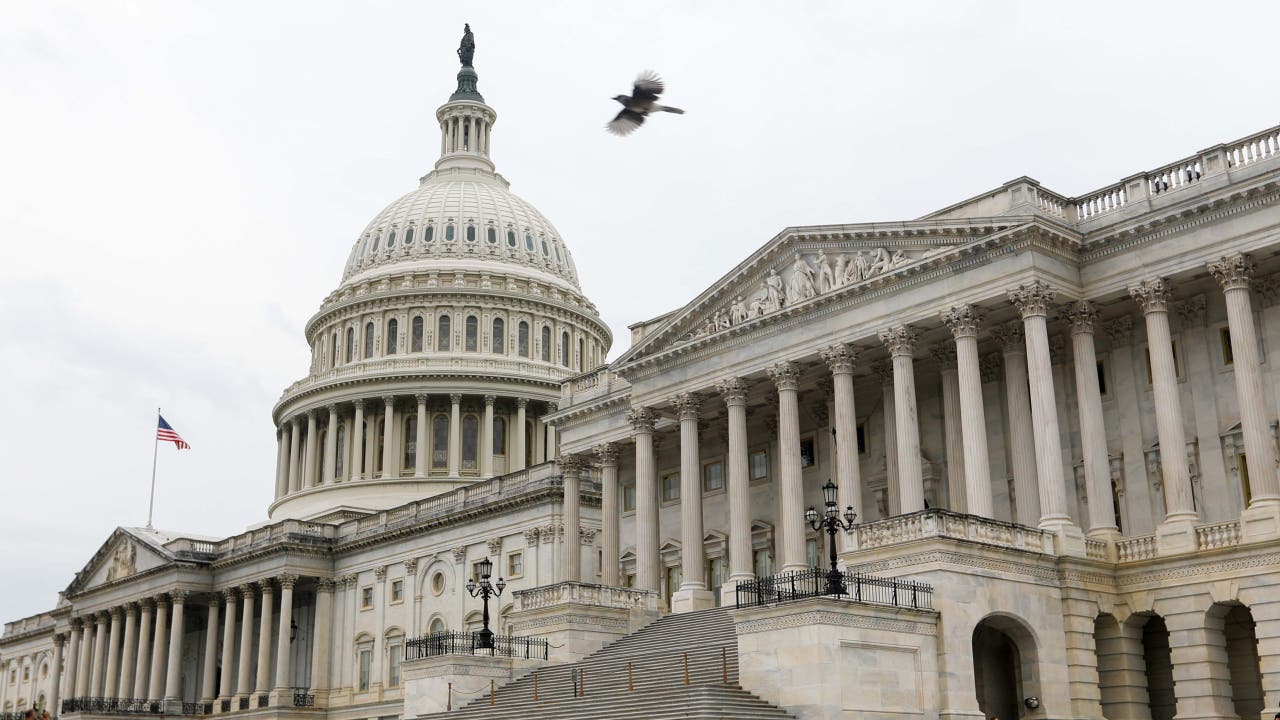
Senate Holds Rare Sunday Session as Shutdown Enters 40th Day
As the U.S. government shutdown reaches its 40th day, the Senate has convened for an unusual Sunday session in a desperate attempt to break the political deadlock. Over 800,000 federal employees have now missed two paychecks, while essential workers in aviation and public safety continue working without compensation. The economic toll has surpassed $6 billion, making this the second most costly shutdown in history.
Key developments from Sunday’s negotiations include:
- Bipartisan working group presenting a compromise bill
- Proposal to temporarily fund government through January 31st
- $5.7 billion border security package under discussion
- Emergency SNAP funding to cover February benefits

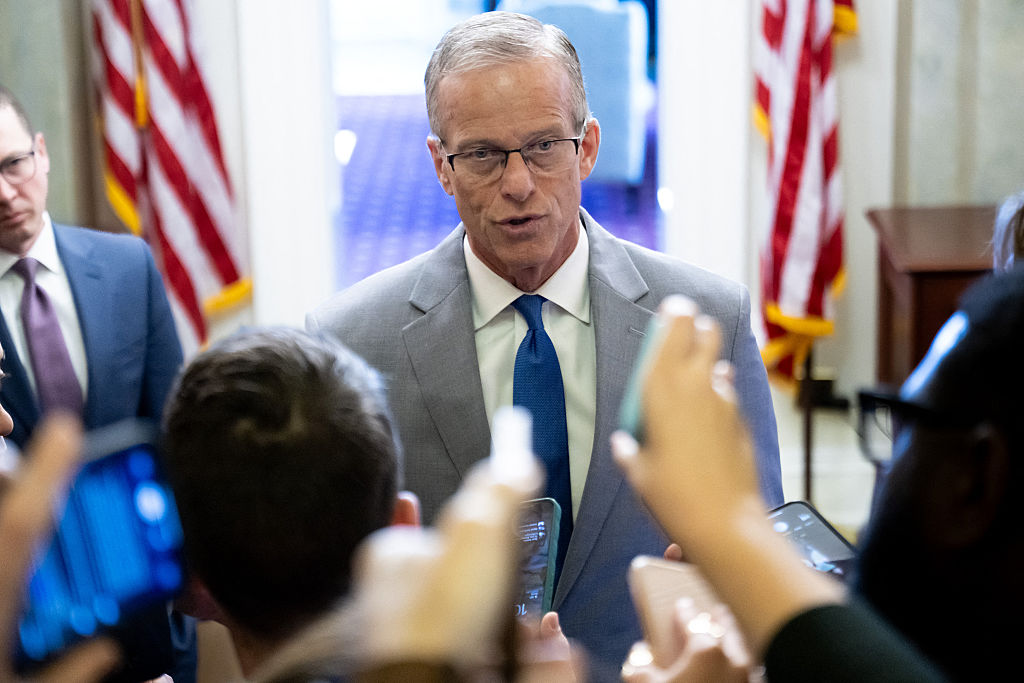
Federal Worker Pay: What’s Happening Today?
The Federal Employee Retroactive Pay Act guarantees back wages for most government employees once funding resumes, but contract workers face permanent losses. Approximately 4 million government contractors – including janitorial staff, food service workers, and IT specialists – have no legal protection for missed payments.
Payment timeline if deal passes today:
| Employee Type | Payment Expectation |
|---|---|
| GS-scale federal workers | Full back pay within 3-5 business days |
| Postal Service employees | Next regular paycheck cycle |
| Federal contractors | No guaranteed compensation |
| TSA/Air Traffic Controllers | Priority processing (48-72 hours) |
Airport Chaos Worsens
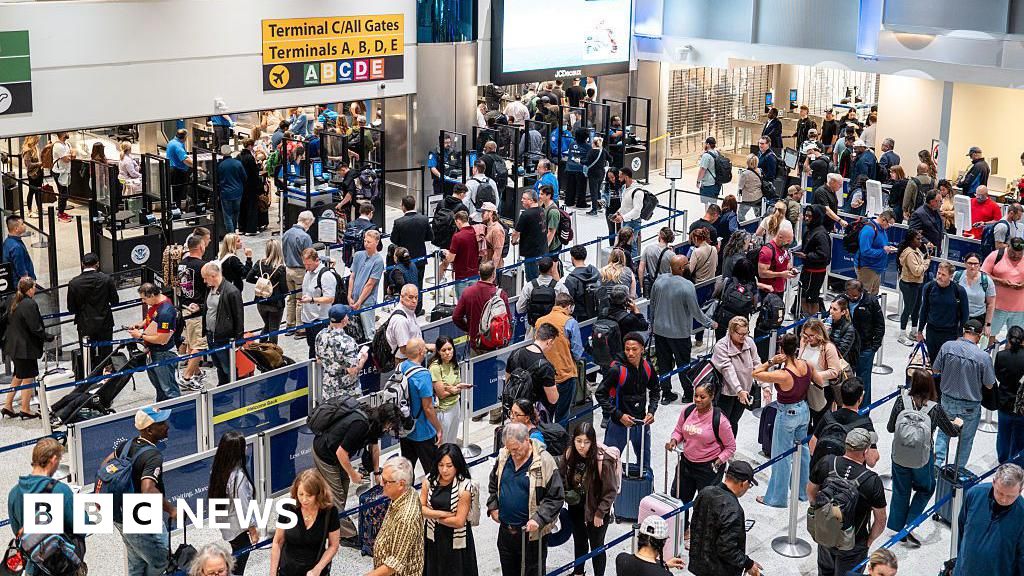
With over 1,600 flights cancelled this weekend, aviation administrators warn of potential system collapse if shutdown continues. Critical shortages include:
- 10% of TSA screeners calling out sick
- 15% reduction in air traffic controllers
- 58 FAA safety inspectors furloughed

Political Roadblocks to Resolution
The current impasse centers on four contentious issues:
- Border wall funding levels
- Status of DACA recipients
- Disaster relief allocations
- Pay freeze for Congressional members during shutdowns
Moderates from both parties have proposed a clean continuing resolution followed by bipartisan budget talks, but hardline factions continue holding the process hostage. The Senate requires 60 votes to overcome procedural hurdles, meaning at least 12 Democrats must support any Republican proposal.
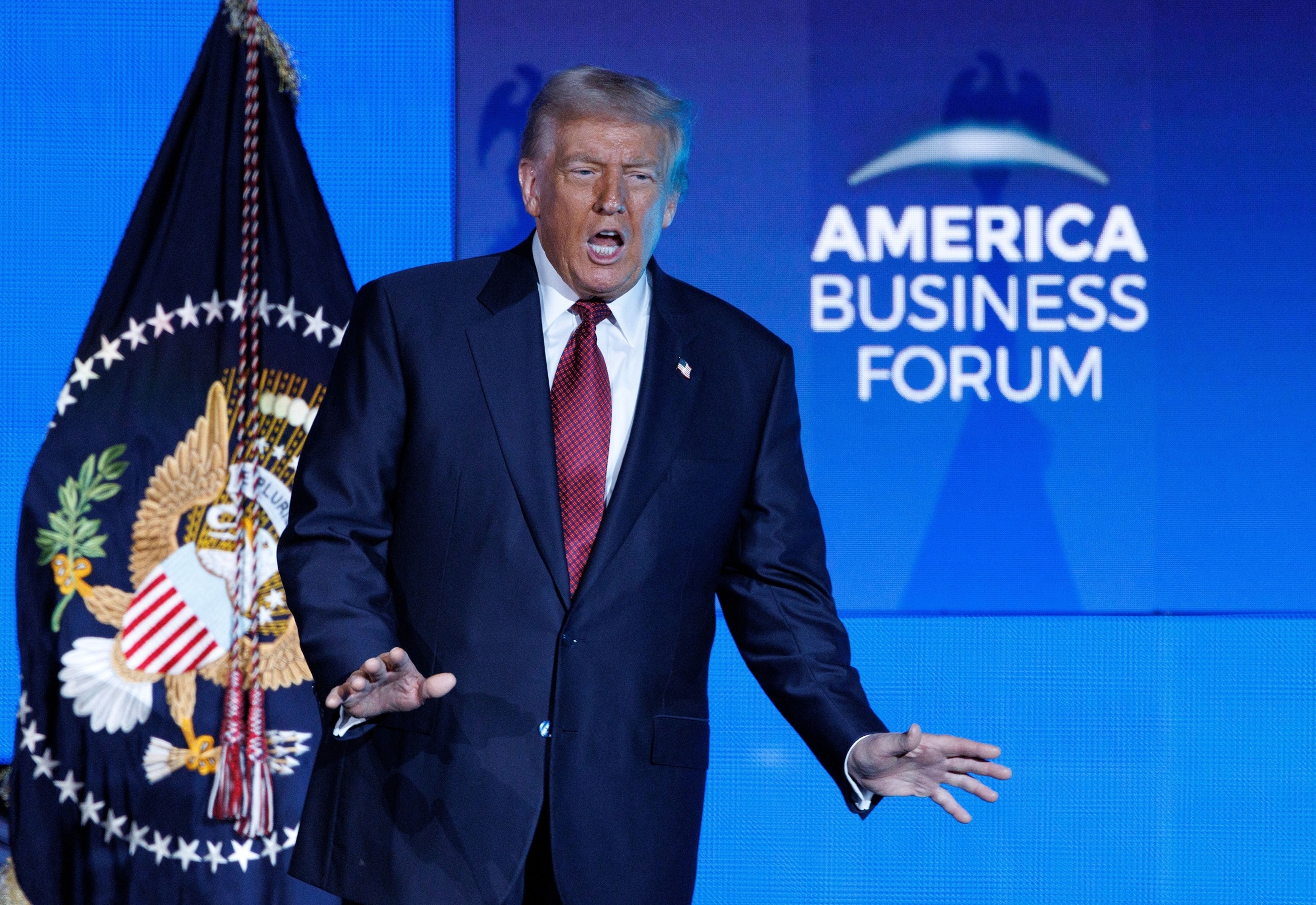
Economic Fallout Worse Than Previous Shutdowns
While shorter than the 2018-2019 closure, this shutdown’s impact has been magnified by:
- Larger affected workforce (800k vs 380k in 2018)
- More contractors without pay protections
- Aviation safety concerns absent in prior shutdowns
- Cumulative damage from frequent closures
Key economic indicators:
| Metric | Impact |
|---|---|
| GDP growth | Reduced by 0.5% this quarter |
| Consumer confidence | 12% decline since shutdown began |
| Small business loans | 63% decrease in processing |
| IRS refunds | Potential 1-month delay |
What Comes Next?
Even if a deal passes today, recovery won’t be immediate:
Short-Term Projections
- Federal offices: 2-3 days to reopen
- Payroll systems: 3-5 days to process back pay
- National Parks: 1 week for full staffing
Long-Term Consequences
Experts warn of lasting damage including:
- Permanent loss of skilled federal workers to private sector
- Erosion of public trust in government
- Increased borrowing costs due to political instability
- Normalization of shutdowns as political tool
Avoiding Future Crises
Several legislative solutions have been proposed to prevent recurrence:
- Automatic CRs: Continuing resolutions that trigger when budgets lapse
- Payhold: Withholding Congressional salaries during shutdowns
- Contractor Protection Act: Extending back pay guarantees to contractors
- Essential Services Fund: Separate budgeting for critical functions
However, partisan divides make passing such measures unlikely without significant public pressure. The coming weeks will test whether lawmakers learned any lessons from this debacle, or if shutdowns become America’s new normal.
Comments