
Nalin Haley, son of Republican figure Nikki Haley, has ignited controversy by calling for an end to H-1B visas and legal immigration, despite his family’s immigrant background. Critics accuse him of hypocrisy, noting his Sikh grandfather arrived in the U.S. on a similar visa in 1969.
The 24-year-old MAGA activist claims his stance addresses job shortages for Americans, but opponents argue it disregards the economic contributions of immigrants like his own relatives. The debate exposes tensions between nationalist rhetoric and America’s immigrant roots.
- Nalin Haley, son of Nikki Haley, faces backlash for advocating an end to H-1B visas and legal immigration, despite his family’s immigrant roots.
- Critics highlight hypocrisy, noting Nalin’s Sikh grandfather migrated from India in 1969 via legal immigration—a path he now seeks to restrict.
- The debate intensifies as Nalin targets H-1B visas, claiming they harm American job seekers, while opponents argue immigrants fill critical skill gaps in industries like tech.
- Nikki Haley’s political future may be impacted, as her son’s hardline stance risks alienating moderates while appealing to immigration-skeptic GOP voters.
Nikki Haley’s Son Nalin Sparks Outrage by Calling to End H-1B Visas—Despite Family’s Immigrant Legacy
Nalin Haley, the 24-year-old son of Republican politician Nikki Haley, has ignited a fierce debate after advocating for the termination of H-1B visas and all legal immigration to the U.S. His argument, centered on protecting American jobs, has drawn sharp criticism given his family’s own immigrant roots. Nalin’s Sikh grandfather migrated from India in 1969 under legal immigration policies, a fact that critics say undermines his stance.
In interviews, Nalin claimed his high school friends struggle to find employment due to competition from foreign workers. However, his remarks were met with widespread backlash, particularly from immigrant communities and political analysts who accuse him of hypocrisy. The H-1B visa program, which allows skilled foreign professionals—many from India—to work in the U.S., has long been a polarizing issue in American politics.

The controversy highlights a growing tension within the Republican Party, where anti-immigration rhetoric often clashes with the personal histories of prominent figures. Nikki Haley, born Nimrata Randhawa to Indian immigrants, has built her political career on a narrative of the American Dream—making her son’s comments particularly jarring.

The H-1B Visa Debate: Economic Necessity or Job Threat?
Nalin’s call to end H-1B visas taps into longstanding concerns about foreign labor undercutting American workers. However, data suggests the program fills critical gaps in sectors like technology and healthcare. Below is a breakdown of recent H-1B visa statistics versus U.S. unemployment rates:
| Year | H-1B Visas Issued | Unemployment Rate (U.S.) |
|---|---|---|
| 2023 | 85,000 | 3.9% |
| 2024 | 90,000 | 4.2% |
Proponents argue that H-1B holders often take jobs Americans aren’t qualified for, while detractors claim companies use the program to hire cheaper labor. Nalin’s blanket rejection of the program ignores these nuances.
“America First” vs. Family History: The Haley Family’s Contradiction
The Haley family’s story is a quintessential immigrant success tale. Nikki Haley’s father, Ajit Singh Randhawa, came to the U.S. in 1969 as a professor—likely on an early version of the H-1B visa. His journey exemplifies the opportunities legal immigration once afforded, making Nalin’s stance appear self-contradictory.
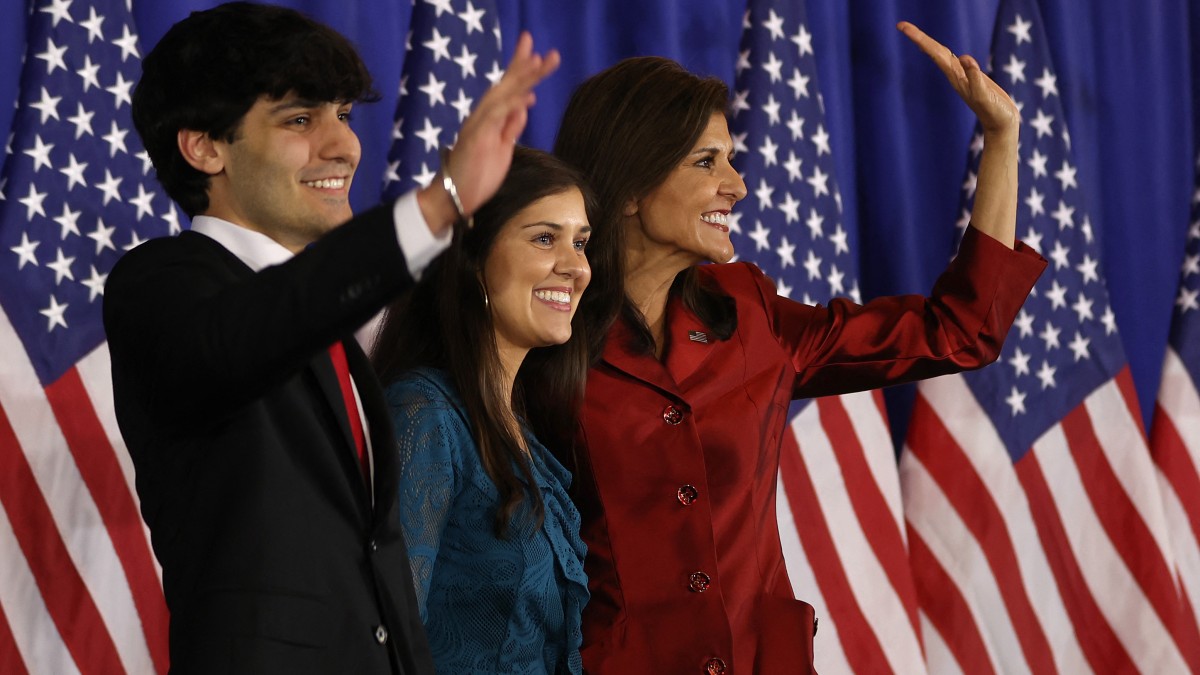
Journalist Mehdi Hasan amplified this criticism, tweeting: “The audacity of Nikki Haley’s son calling to end legal immigration when his own grandfather was a beneficiary is breathtaking.” Nalin responded by doubling down, even suggesting critics like Hasan should be “denaturalized.”
)
The clash reveals a broader trend among second-generation immigrants in conservative politics: distancing from their heritage to align with nationalist movements. Nalin has previously described himself as “confused” about his Sikh-Christian identity, further complicating his relationship with his family’s past.
Community Backlash: Social Media Reacts
The online response to Nalin’s comments was swift and critical:
- “Bold take from a guy whose high school friends probably majored in TikTok fame. Maybe visa reform ≠ blanket bans?” — Anonymous
- “The hypocrisy is thick enough to slice—Sikh grandpa would’ve been barred under Nalin’s dream policy.” — Twitter user @PolicyWonk
- “Legal immigration built America. Haley’s son wants to burn the bridge his family walked over.” — Reddit commenter
The 1960s vs. Today: How Immigration Backlash Has Changed
Nalin’s grandfather arrived during a period of relative openness following the 1965 Immigration Act, which prioritized skilled labor and family reunification. South Asian immigrants faced far less political hostility then compared to today’s charged climate.
Key differences between the two eras:
- 1960s: Focus on merit-based immigration; minimal far-right opposition
- 2020s: Rise of “Great Replacement” theories; H-1B system politicized
This shift raises questions about whether Nalin’s stance reflects genuine policy concerns or merely mirrors the GOP’s hardening rhetoric. His grandfather’s generation faced discrimination but wasn’t weaponized in cultural wars.
Political Fallout: Could This Hurt Nikki Haley’s Ambitions?
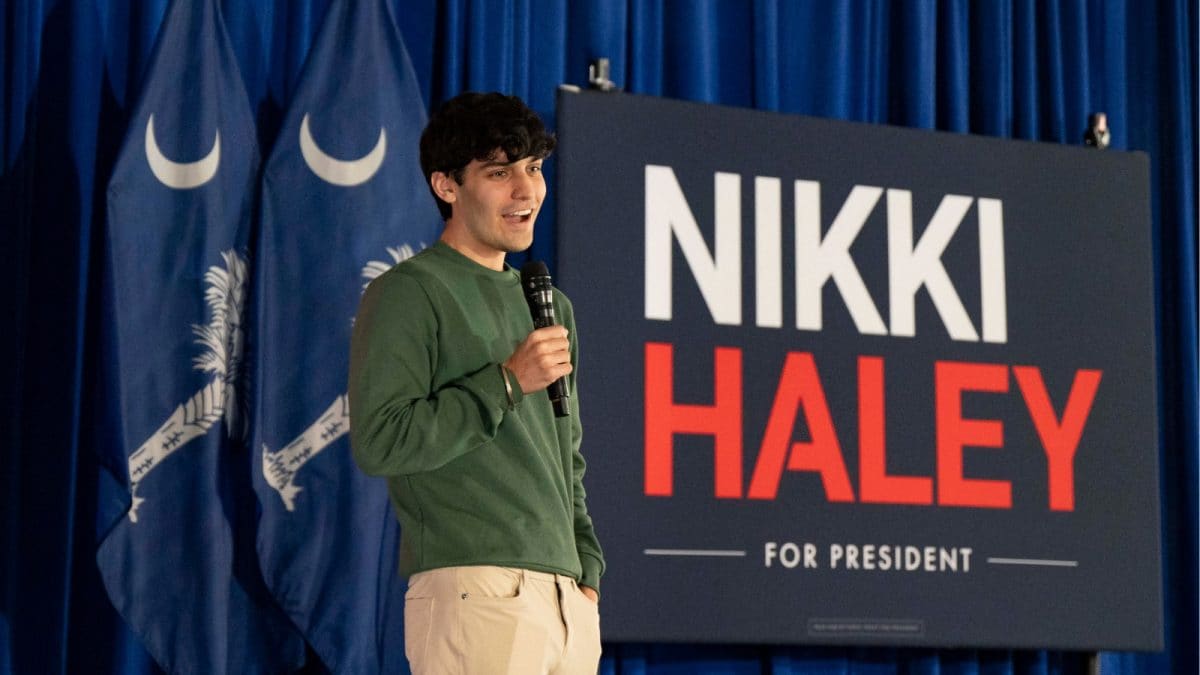
As a potential 2028 presidential candidate, Nikki Haley now faces a delicate balancing act. While she has distanced herself from Nalin’s comments, the incident risks alienating both moderates and the GOP’s increasingly nativist base.
Potential scenarios:
- Embracing Nalin’s stance: Could solidify far-right support but jeopardize general election appeal
- Rejecting it: Might preserve her bipartisan image but invite primary challenges
The controversy underscores how immigration remains the Republican Party’s third rail—even for politicians with immigrant backgrounds.
Looking Ahead: The Future of U.S. Immigration Policy
Nalin’s comments reflect broader GOP efforts to restrict legal immigration, which could have sweeping consequences:
- Tech industry labor shortages
- Declining international student enrollment
- Demographic shifts affecting economic growth
With the 2024 election looming, the debate over H-1B visas is likely to intensify—whether or not the data supports the claims driving it.
Comments