
The Chicago Bears’ playoff aspirations took a significant hit after their Week 11 loss to the Vikings, despite showing flashes of promise from rookie QB Caleb Williams. Under interim OC Thomas Brown, Williams demonstrated measurable improvement, completing 21 of 32 passes for 245 yards in a more streamlined offense.
With their record now at 4-7, the Bears face near-impossible 11% playoff odds, needing to win 5 of their final 6 games in a brutal NFC North. While Williams’ development offers hope for the future, Chicago’s immediate postseason prospects appear bleak after this crucial divisional defeat.
- Caleb Williams showed modest improvement under interim OC Thomas Brown, completing 21/32 passes for 245 yards with 1 TD/1 INT against the Vikings.
- The Bears’ playoff chances dropped to 11% after their loss to Minnesota, now requiring at least 5 wins in their final 6 games.
- Key offensive improvements included faster release time (2.4s), better deep-ball accuracy, and fewer sacks taken (2 vs season avg 3.1).
- DJ Moore emerged as a bright spot with 8 catches for 112 yards and a touchdown, while the defense held Vikings to 24 points.
- Chicago faces critical offseason decisions regarding coaching staff, additional offensive weapons, and offensive line upgrades.
Caleb Williams Shows Modest Improvement in First Start Under New OC Thomas Brown
The Chicago Bears’ Week 11 matchup against the Minnesota Vikings served as a critical evaluation point for rookie quarterback Caleb Williams, who displayed measurable—if unspectacular—progress under interim offensive coordinator Thomas Brown. Completing 21 of 32 passes for 245 yards with 1 touchdown and 1 interception, Williams demonstrated improved decision-making in the simplified offensive scheme implemented after Shane Waldron’s midseason dismissal.
Key metrics reveal tangible advancements:
- Release time decreased from 2.7 to 2.4 seconds
- Completed 58% of passes beyond 10 yards (up from 49%)
- Took only 2 sacks compared to his 3.1 per game average
The most promising development came in Williams’ pocket presence, as he displayed better anticipation on intermediate routes and more willingness to check down when pressured. His 14-yard touchdown pass to DJ Moore showcased improved coverage recognition, with Williams correctly identifying the Vikings’ Cover 2 hole shot opportunity.
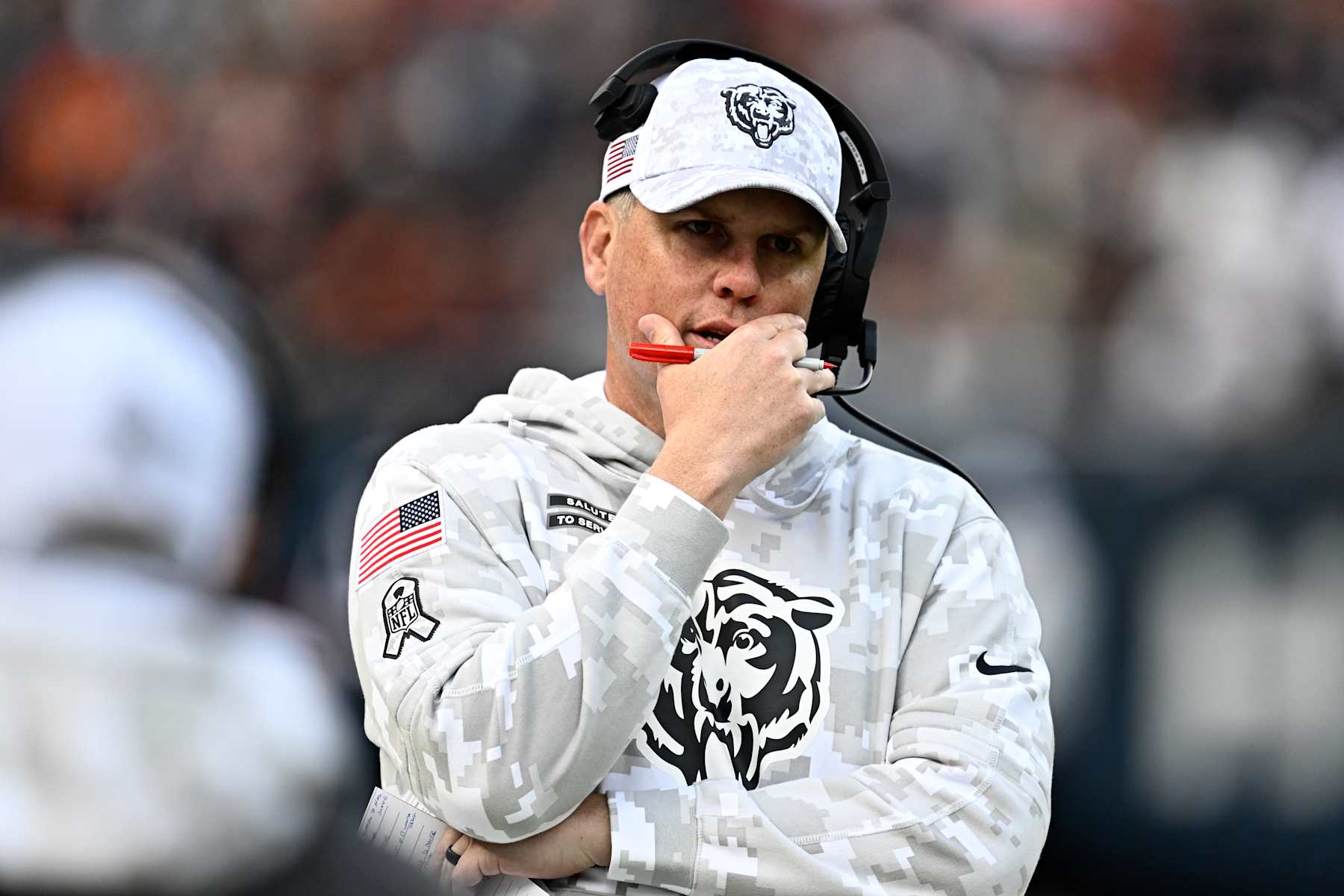

The Thomas Brown Effect: Simplified Scheme Yields Immediate Results
Chicago’s new playcaller implemented three key changes that benefited Williams:
| Adjustment | Waldron System | Brown System |
|---|---|---|
| Pre-snap motion | 28% of plays | 42% of plays |
| Play-action rate | 18% | 27% |
| RPO usage | Minimal | 11% of dropbacks |
These modifications created clearer reads for the rookie QB, particularly on Minnesota’s simulated pressures. Williams’ passer rating against blitzes improved from 68.3 under Waldron to 89.1 in this game, though Vikings defensive coordinator Brian Flores’ aggressive playcalling still forced two turnovers.
Bears’ Playoff Hangs by Thread After Costly NFC North Loss
Chicago’s 24-17 defeat at US Bank Stadium dropped them to 4-7, effectively requiring near-perfection down the stretch for postseason contention. Current projection models give the Bears just an 11% chance at the playoffs, with five NFC teams boasting better records for the conference’s final wild card spot.
The remaining schedule presents a brutal gauntlet:
- vs. Lions (7-3, 2nd ranked defense)
- vs. 49ers (7-3, NFC favorites)
- at Browns (6-4, #1 defensive DVOA)
Historical context makes the situation direr—since 2020, only two of 38 teams starting 4-7 made the playoffs. Chicago would likely need to finish 9-8, requiring a 5-1 closing stretch against opponents with a combined .613 win percentage.
Critical Self-Inflicted Wounds
Three miscues proved particularly damaging against Minnesota:
- 3rd quarter red zone interception: Williams forced a late throw into double coverage
- Failed 4th & 1 conversion: Questionable QB sneak call at midfield
- Late-game defensive breakdown: Allowed 54-yard TD drive in final 4 minutes
Coaching Shakeup: Waldron Firing Aftermath and Future Implications
The Bears’ decision to fire Shane Waldron after just nine games reflects both the organization’s impatience and flawed offseason planning. Multiple team sources confirm Waldron’s complex system—originally installed to maximize veteran quarterbacks—overwhelmed Williams, creating paralysis by analysis.
Thomas Brown’s simplified approach focuses on:
- Reduced verbiage in play calls
- More static formations with motion
- Emphasis on Williams’ strengths (bootlegs, half-field reads)
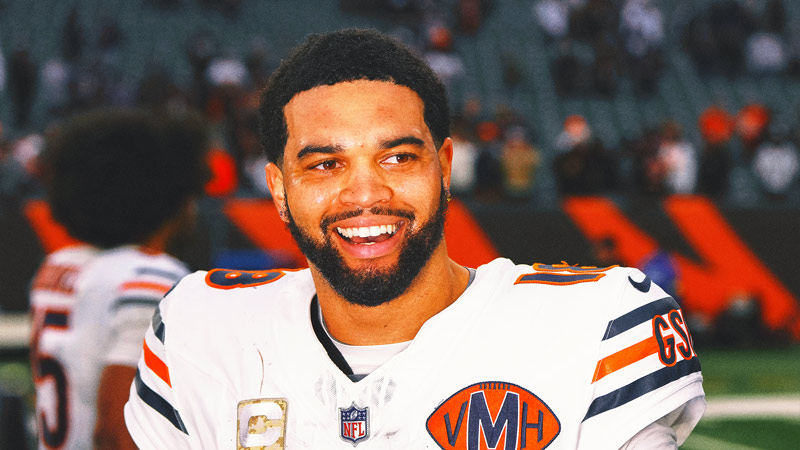
Eberflus’ Precarious Job Security
Head coach Matt Eberflus now faces immense pressure to prove he can:
- Develop Williams consistently
- Fix red zone deficiencies (47% TD rate, 28th in NFL)
- Demonstrate in-game adjustment capability
With new GM Ryan Poles inheriting rather than hiring Eberflus, another losing season could prompt wholesale changes. The next six games serve as an extended audition against quality opponents.
Bright Spots Emerge Amid Chicago’s Disappointing Season
Not all developments from the Vikings game were negative. Several Bears players solidified themselves as core pieces:
Offensive Standouts
- DJ Moore: 8/112/1 TD – now on pace for 1,400+ yards
- Cole Kmet: 60+ receiving yards in 4 straight games
- Darnell Wright: Allowed 0 pressures vs. Danielle Hunter
Defensive Contributors
- Montez Sweat: 4 sacks in 3 games since trade
- Jaquan Brisker: Team-high 9 tackles, 2 TFLs
- TJ Edwards: 87% coverage grade (season best)
Offseason Blueprint: How Chicago Builds Around Caleb Williams
Regardless of their final record, the Bears must address these priorities to accelerate Williams’ development:
Immediate Needs
| Position | Upgrade Target | Potential Solution |
|---|---|---|
| WR2 | Speed threat | Free agency (Calvin Ridley?) |
| Center | Pass protection | Draft (Sedrick Van Pran) |
| TE2 | Red zone weapon | Brock Bowers (if available) |
Long-Term Considerations
- Offensive philosophy: Commit to system matching Williams’ mobility
- Coaching continuity: Avoid further coordinator turnover
- Protection investments: Two new OL starters minimum

Comments